
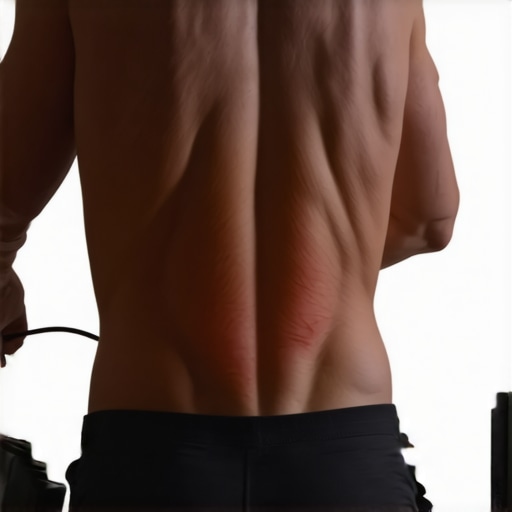
Have you ever reached for that warm heating pad, craving relief from your stubborn back pain, only to realize hours later that the discomfort still lingers—or worse, feels worse? I remember countless nights of piling on heat, thinking I was doing the right thing, only to wake up feeling just as stiff and inflamed. It was a frustrating cycle, and honestly, I felt like I was fighting against my own body’s signals.
Why Your Back Inflammation Might Be Sabotaged by Heat
Here’s the lightbulb moment for me: applying heat isn’t always the healing hero we think it is. In fact, warm packs and heated wraps can sometimes make inflammation worse if not used properly. At first, I believed heat was the simplest way to relax my tense muscles, but I didn’t realize that excessive or prolonged heat application could increase blood flow to inflamed tissues, sometimes amplifying swelling and pain instead of reducing it. It’s a common misconception, and many people fall into this trap because heat feels soothing—it’s warm, comforting, and easy to use.
Studies have shown that while heat therapy can help to reduce muscle tension, it isn’t always suitable during the acute phase of inflammation, which is the body’s natural response to injury. In the early stages, introducing heat can increase blood flow to injured tissues, potentially worsening swelling and prolonging recovery. Instead, what your body really needs during those initial days is gentle cold therapy and targeted adjustments to relieve pressure and promote healing.
So, how do you know whether you’re applying heat correctly? And more importantly, how can you use it in a way that truly supports your recovery? That’s exactly what I’m going to help you uncover. If you’ve felt stuck in this cycle of pain and heat, you’re not alone, and there’s a better way to approach back inflammation that doesn’t involve guesswork.
Is the Hype Around Heat Therapy Overrated?
I’ll be honest—I made a mistake early on by relying solely on heat without understanding the stage of my injury. I thought more heat meant faster relief, but it often backfired. Now, I know that timing and proper application are everything. If you’ve ever wondered whether heat might be prolonging your pain, stay tuned. We’re going to dive into step-by-step strategies to differentiate the right moments for heat, cold, and movement, so you can finally get out of the inflammation cycle and move toward genuine relief.
Ready to take control of your back health? Let’s explore how to use heat and other techniques effectively for lasting comfort.
Assess Your Stage of Inflammation Before Applying Heat
Start by identifying whether your back is in the acute inflammatory phase, which typically lasts 48-72 hours after injury. During this time, your body releases signals like swelling, redness, and increased pain—indicators that cold therapy is more appropriate. I recall misapplying heat during one recent flare-up, which intensified my discomfort. To avoid this, use your hand to feel for warmth or swelling; if either is prominent, skip heat for now and opt for cold packs instead.
Use Cold Therapy Correctly for Initial Relief
Wrap a cold source—like a frozen gel pack or ice wrapped in a towel—in a cloth and apply it to the affected area for 15-20 minutes every 2 hours. Think of cold therapy as hitting the reset button: it constricts blood vessels, reducing swelling. During my last acute episode, I placed a cold pack on my lower back after a long day of sitting, which noticeably decreased my pain, allowing me to rest better overnight.
Limit Heat to Subacute or Chronic Phases
If the pain persists beyond the initial phase without signs of inflammation, heat can then be introduced. Use a moist heat pack or warm towel for 15-20 minutes, especially before gentle movement or stretching. Visualize heat as a calming agent that relaxes tense muscles; however, timing is everything—using heat too early can exacerbate swelling.
Apply Heat and Cold Strategically Throughout Your Day
Alternate between cold and heat based on your body’s signals. For example, in the morning, start with cold if swelling is evident, then switch to heat later in the day to relax muscles before activity. This cyclical approach prevents overreliance on one method and promotes balanced healing. I learned this the hard way when I kept applying heat without observing improvements, leading to prolonged discomfort.
Integrate Movement for Better Outcomes
Complement your therapy with gentle movement exercises to enhance circulation and flexibility. Dynamic stretches or light walks can be more effective than static rest alone. For instance, after applying cold, I introduced small, pain-free stretches from posture correction techniques, which helped reduce stiffness and improved my recovery speed.
Adjust Your Posture to Reduce Strain
Posture plays a pivotal role in back health. Make micro-adjustments throughout your day: sit upright, avoid slouching, and use ergonomic supports. Training yourself to maintain proper alignment, as discussed in posture tips, can prevent future flare-ups and assist ongoing recovery efforts.
Monitor Your Response and Modify Practices
Keep a pain and activity journal to observe what helps and what worsens your symptoms. Avoid trial-and-error with heat if your body responds negatively. Instead, recognize patterns—like increased swelling after heat—and stick to evidence-based methods. Remember, each back injury is unique, and personalized adjustments make all the difference.
Applying these concrete steps transforms the often confusing process of managing back inflammation into an actionable routine. You’ll move from reactive to proactive, ensuring your recovery techniques serve your healing rather than hinder it.
Many people assume that perfecting their posture simply means sitting upright and avoiding slouching, but this oversimplification can lead to overlooked pitfalls. A common misconception is that static alignment fixes all back issues; however, the human body thrives on dynamic movement and nuanced adjustments. Rigidly focusing on one ideal posture can cause stiffness, muscle imbalances, and even exacerbate pain if it ignores your unique biomechanics. For example, striving for a ‘perfect’ lumbar curve without considering your pelvic tilt may result in tension or compensatory strain elsewhere. Advanced practitioners understand that subtle, targeted corrections—like engaging core muscles during daily activities—are far more effective than generic posture fixes. Moreover, sticking to overly rigid postural rules can cause psychological stress and a sense of failure when your body naturally fluctuates throughout the day. To truly master your back health, it’s essential to recognize the nuanced interplay of mobility, muscle balance, and habitual movement patterns. Incorporate gentle mobility exercises and personalized adjustments, as outlined in posture correction techniques, to create a resilient and adaptable spine. Remember, achieving lasting relief is about understanding the subtleties and avoiding common traps that oversimplify complex biomechanics. Have you ever fallen into this trap? Let me know in the comments.
What Tools Help Maintain Your Progress Over Time?
Once you’ve established a solid foundation for back health, the key is consistency. Investing in the right tools can make this easier and more effective. Personally, I swear by a few specific pieces of equipment and software that have truly helped me sustain improvements in posture, mobility, and pain reduction. Implementing these can streamline your routine and ensure long-term results.
Smart Posture Monitors for Real-Time Feedback
One game-changer is a wearable posture sensor like the Upright GO. I use it during my workday to get instant feedback when I slip into slouching. This device vibrates gently to remind me to correct my posture throughout the day, preventing poor habits from setting in. These tools cultivate awareness, transforming good intentions into automatic behaviors over time. As the trend of biofeedback advances, expect even more integrated solutions—think apps that connect with smartwear to provide detailed analytics—making it easier to track progress and stay accountable.
Mobility and Flexibility Apps for Guided Exercises
Beyond gadgets, digital tools can be incredibly effective. I recommend programs like Mobility Mastery—they offer tailored stretches and movement routines that are easy to fit into a busy schedule. Utilizing these apps enables you to perform the right exercises consistently, ensuring your mobility improves steadily without guesswork. The future points toward AI-driven customization that adapts routines based on your progress, making recovery more personalized and efficient.
Foam Rollers and Myofascial Tools for Maintenance
Quality foam rollers remain a staple in my self-care arsenal. I prefer ones with a textured surface to target deeper layers of my fascia, especially after long days of sitting. Regular foam rolling releases tension, improves circulation, and maintains tissue pliability. For stubborn knots, I use tools like a tennis ball or a massage stick for targeted relief. Incorporating these tools into your routine can prevent tightness from becoming chronic and reduce the risk of flare-ups.
How Do I Keep Up My Improvements Year After Year?
Sustaining back health requires ongoing effort. Consistency, combined with the right tools, ensures your posture and mobility stay optimal. Regular check-ins with a professional—like a chiropractor—can help adjust your routine and ensure your tools are still serving you well. Additionally, documenting your progress with apps or journals helps you recognize patterns and adapt proactively. Going forward, technological innovations such as AI-driven posture analysis and virtual coaching will make maintaining a healthy back smarter and more accessible.
If you haven’t integrated tools like posture monitors or mobility apps into your routine, now’s a great time to start. Try setting a reminder to wear a posture sensor during your work hours today, and notice how your awareness improves over just a week. Small, consistent steps with the right devices can lead to lasting change, ensuring your back remains healthy for years to come.
Over the years, I realized that not all approaches to back inflammation are created equal, and some of the most common advice can actually hinder recovery. One lesson that truly sunk in was the importance of listening to my body’s signals rather than blindly following routines. For instance, I used to think that applying heat constantly would speed up healing, but I learned that timing and understanding the stage of inflammation are crucial in choosing the right therapy.
The Hardest Lesson I Learned About Posture and Movement
Maintaining perfect posture all the time is a myth. Instead, embracing gentle, dynamic movement and making subtle adjustments have been game-changers. Rigidly holding certain positions can lead to muscle imbalances and stiffness, which then perpetuate back pain. Recognizing when to relax and allow my body to shift naturally made all the difference, helping me avoid the trap of static correction exercises that can do more harm than good.
What I Didn’t Expect About Recovery Tools and Their Power
Using technology like smart posture monitors and mobility apps transformed my approach from guesswork to evidence-based routines. These tools provided instant feedback, making me aware of habits I wasn’t consciously correcting. Over time, integrating foam rollers and targeted myofascial release tools into my daily routine prevented tightness from becoming chronic, proving that the right tools, when used properly, are vital assets in long-term back health.
My Unexpected Revelation About Sustaining Progress
The most surprising insight was that consistency beats intensity. Small daily habits—like brief mobility stretches, mindful posture adjustments, and regular tool use—accumulate into lasting improvements. I found that making these small, manageable actions part of my routine reduces stress and anxiety about pain, empowering me to stay committed without feeling overwhelmed.