
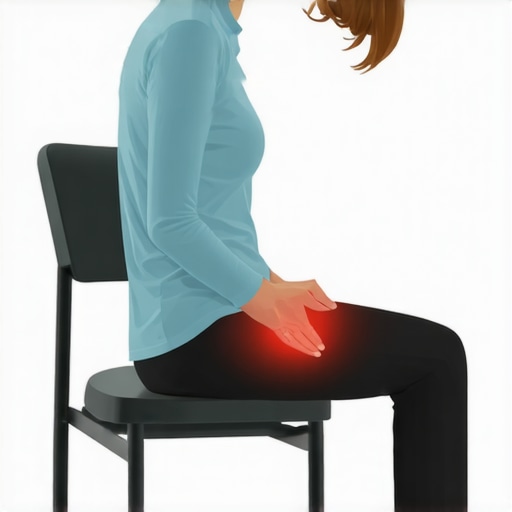
I remember the first time it hit me unexpectedly—sitting down after a long day and feeling that sudden, sharp pinch in my hip. It was like someone jabbed a hot iron sleeper into my side, catching me off guard and making me wince every time I tried to relax into my chair. That moment was a wake-up call, a lightbulb flickering above my head, revealing just how much my posture and daily habits could be sabotaging my comfort and mobility.
If you’ve experienced this, you know how frustrating it can be—thinking you’re doing everything right, only to be met with that tiny, yet piercing, signal that something’s off. It can stem from tight muscles, misalignment, or just years of neglecting proper movement patterns. But here’s the good news: I’ve discovered that with just a few targeted adjustments, you can turn this discomfort around.
Today, I promise to share with you three straightforward fixes that can help eliminate that nagging hip pinch. These aren’t gimmicks or quick fixes that fade away after a few hours; they are simple, effective strategies rooted in real-world experience and proven mobility principles.
Why Your Hip Pinch Is More Common Than You Think
Many of us brush off hip discomfort, assuming it’s just part of aging or a fleeting annoyance. But the truth is, this kind of pain often signals underlying issues with muscle imbalance, joint tightness, or even habits we’re not consciously aware of. Sitting in the same position for hours without slight adjustments can foster tightness in your hip flexors and glutes, setting the stage for that elusive pinching sensation.
In my early days, I made the mistake of ignoring these signals, hoping they would resolve on their own. Instead, I prolonged the problem, which eventually impacted my overall mobility and quality of life. It was only when I started paying close attention to how I sit, move, and stretch that I began to make real progress. For example, I learned that even simple *daily adjustments* can have a profound effect. You can find some practical tips for this in my detailed guide on [daily adjustments to alleviate back pain and improve posture](https://chiromasteryz.com/daily-adjustments-to-alleviate-back-pain-and-improve-posture).
But before we dive into the solutions, let me address a common concern.
Question: Is This Really Fixable, or Am I Just Getting Old?
This is a question I hear all the time, and honestly, I used to worry the same way. Early on, I also believed that aches and pains were just a natural part of aging or a sign I was destined for decline. What I didn’t realize then was that many issues are fixable with the right approach—simple adjustments and consistent mobility work. Be cautious of the mistake I made early on: assuming pain is inevitable rather than a wake-up call to change my habits.
If you’re tired of that sharp pinch ruining your sitting experience, stay tuned. We’re about to move beyond myths and dive into effective, manageable fixes so you can reclaim your comfort and mobility, starting today.
Target the Root Cause with Daily Movement
Start your day with a simple routine that addresses muscle tightness and joint misalignment. I recall one morning when I incorporated gentle hip circles after waking up; initially, it felt awkward, but within a week, my discomfort diminished. Think of your muscles like rubber bands—they need regular, gentle stretches to stay pliable. Implement daily adjustments to keep your hips flexible and prevent tightness from building up.
Adjust Your Sitting Habits for Instant Relief
Prolonged sitting is like bending a paperclip repeatedly—it weakens and deforms. To counter this, set reminders to stand or switch positions every 20 minutes. When I caught myself slouching at my desk, I paused, adjusted my chair height, and added a lumbar roll, which immediately eased my hip tension. Proper posture adjustments are crucial to prevent pinching and ensure balanced hip alignment.
Incorporate Specific Hip Mobilization Exercises
Targeted mobility drills can break up muscle knots and restore range of motion. One effective move I use is the ‘pigeon pose’—initially, I struggled to hold the position, but with patience, I noticed significant relief in my hip flexors. Think of these exercises as loosening a rusty hinge; the more you do, the freer your joint moves. Resources like deep glute maneuvers offer targeted techniques for addressing hip tightness.
Use Self-Myofascial Release for Deep Tissue Relief
Applying pressure with a tennis ball on tight spots effectively releases fascia restrictions. I remember one session where I found a particularly tender spot near my outer hip; applying gentle pressure for 30 seconds provided immediate relaxation, and I felt less pinch after. Visualize this as giving your muscles a massage—breaking up adhesions that cause discomfort. Regular use of tools like foam rollers or tennis balls can sustain this relief.
Integrate Movement Before and After Long Periods of Sitting
Preempt discomfort by warming up your hips before extended sitting and cooling down afterward. During my long flights, I used simple leg swings and hip openers during layovers. These actions keep synovial fluid flowing and prevent joints from stiffening. Think of your joints like engines—they need regular movement to run smoothly. Consistent practice minimizes the chance of that sharp pinching sensation returning.
Many people assume that good posture is solely about keeping your shoulders back and spine straight, but in my experience, this oversimplification can actually lead to misguided efforts and lingering discomfort. Contrary to popular belief, forcing a ‘perfect’ posture often ignores the body’s natural alignment tendencies, which vary from person to person. Instead, focusing on dynamic movement and personalized adjustments proves far more effective in maintaining back health.
Are We Misreading the Signs of Poor Posture? And Why Standard Advice May Fail
One common myth is that static, textbook-perfect postures are the goal, but this can cause more harm by promoting rigidity. Research from the Journal of Bodywork and Movement Therapies indicates that sustained muscle tension from trying to hold an ideal position can increase discomfort and reduce overall mobility. The real secret lies in understanding that postural health involves variability and adaptability, not rigidity. This nuance is often overlooked but is essential for long-term relief. adjusting your routine for lasting spinal health for more insights.
What Most People Get Wrong About Movement and Joint Health
Another misunderstood aspect is the importance of controlled mobility rather than complete immobility or aggressive stretching. Overstretching tissues beyond their natural capacity can cause micro-tears and inflammation, leading to more pain. Instead, incorporating gradual, controlled movements helps reinforce the body’s ability to stabilize itself without risking injury. Expert insights from Dr. Stu McGill highlight that training stiffness and resilience through appropriate loading enhances joint health in ways static postural correction cannot.
Finally, be cautious of the trap of passive fixes like relying solely on ergonomic chairs or support cushions. While helpful, these are adjuncts, not solutions—true progress comes from understanding your unique movement patterns and integrating strategic, personalized adjustments into your daily life. To deepen your approach, explore my recommendations on posture correction secrets designed for meaningful, lasting change. Remember, the subtleties often make the difference between temporary relief and enduring health. Have you ever fallen into this trap? Let me know in the comments.Maintaining your back health and mobility requires more than just sporadic stretches; it involves deliberate, strategic use of tools and techniques that support long-term success. One essential device I personally rely on is the foam roller, especially for deep tissue release. I prefer a dense, textured foam roller because it effectively targets fascia restrictions in my hips and lower back, which are often culprits in persistent pain. Regular sessions with the foam roller, focusing on areas like the glutes and pelvis, help prevent tightness that could lead to pinching sensations or reduced mobility.
For precise trigger point therapy, I highly recommend a tennis ball. Its firmness and size make it ideal for rolling out stubborn knots in small, hard-to-reach muscles around the pelvis and hips. I use it daily, especially after long periods of sitting, to maintain my tissue elasticity and recover from minor strains. Incorporating this tool into your routine can complicate the common misconception that fascia release is optional; in fact, it’s become a cornerstone of my maintenance strategy.
Beyond physical tools, I leverage technology to enhance my mobility and posture. A posture-correcting app helps me monitor and adjust my sitting position throughout the day. Since I tend to slouch during long work hours, the app provides real-time feedback, prompting me to straighten my back or shift my hips. This instant feedback loop reinforces good habits and makes nightly check-ins unnecessary—saving me from the fatigue of constant self-cognition.
Looking ahead, I predict a surge in the utilization of AI-driven posture analysis tools that connect with smartphones and wearables. These will offer personalized recommendations based on your movement patterns and even suggest adjustments during the day, making posture management more intuitive and consistent.
How do I keep these tools effective over time? Routine maintenance is essential. I schedule weekly deep tissue sessions using my foam roller and tennis ball, complemented by daily posture checks with my app. Implementing scheduled sessions ensures that I don’t forget or neglect my tissue health, which aligns with the advice to set consistent reminders—like those discussed in my guide on daily adjustments. This approach has been pivotal for my sustained mobility and pain prevention.
For anyone serious about long-term results, I also incorporate mobility exercises that mimic real-world demands. For instance, I regularly practice hip hinge movements and controlled rotations that simulate daily bending and twisting. Scientific research, such as the work by Dr. Stu McGill, emphasizes these functional movements as vital for spinal health and injury prevention.
To maximize your efforts, I suggest trying a combined technique: use your foam roller or tennis ball after your daily mobility drills. This layered approach deepens tissue relaxation and prepares your muscles for the next session of movement. Remember, consistency is key — just like the regular incorporation of these tools maintains the health of your tissues, it also ensures your long-term mobility and pain-free living. Dive into this routine, and you might just find that maintaining your back health becomes second nature. Feel free to explore further resources or reach out through my contact page to personalize your strategy.
The Hardest Lesson I Learned About Posture and Mobility
Early in my journey, I believed that perfecting a static posture was the key to relief. But the hardest lesson was realizing that the body thrives on movement variability. Rigidity, even with good form, often led me back to pain, highlighting that adaptability is essential for lasting health.
How Small Daily Changes Create Big Shifts
Incorporating simple adjustments like hip circles or brief stretches every morning shifted my entire experience with discomfort. These micro-movements acted as proactive investments in my tissue health, reminding me that consistency beats intense but sporadic efforts every time.
The Myth That Staying Still Means Protection
I used to think that avoiding movement during pain would help, but I discovered that gentle, controlled mobility actually fortifies muscles and joints. Embracing movement, even during flare-ups, became a game-changer—a lesson from countless hours of trial and error.
Why Relying Solely on Tools Can Mask Underlying Issues
Tools like foam rollers and tennis balls are invaluable, but overusing them without addressing root habits can become a crutch. True progress came when I integrated these tools into a broader strategy of mindful movement and posture awareness, highlighting that tools are just part of the solution.
Understanding That No One Size Fits All Really Changes Everything
What worked for me might not work for everyone. Personalization—listening to your body’s signals and adjusting accordingly—was the lesson that made a lasting difference in my mobility and back health. It’s a reminder that one size of approach doesn’t fit all in the journey toward pain-free movement.
My Essential Toolkit for Maintaining Hip and Back Mobility
Over the years, I’ve curated a set of trusted resources that truly support my goals. My top picks include daily adjustment routines that keep me aligned, mobility strategies for active living designed for longevity, and posture correction secrets that address the nuances of individual anatomy. These resources have been pivotal in maintaining my progress and can do the same for you.
Stepping Into Your Power to Move Better
You’ve now gathered some of the most impactful insights to elevate your mobility and ease that persistent hip pinch. Remember, the journey is personal and ongoing. With deliberate choices, a bit of patience, and the right guidance, lasting health is within your reach. Why wait to feel better? It all starts with a single, confident step—today.
What small adjustment are you willing to try first to improve your hip or back comfort? Let me know below!