
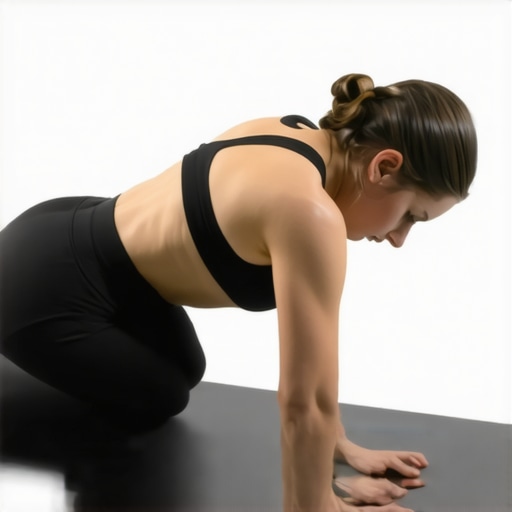
I remember the moment clearly—the shocking realization that my favorite back pain exercise, the glute bridge, wasn’t making any difference. I’d been doing them religiously, thinking I was strengthening my glutes and supporting my lower back. Yet, every morning I woke up stiff, and my back pain persisted like an unwelcome guest that refuses to leave. It was frustrating, disheartening, and honestly, a bit embarrassing. I’d read all the blog posts, watched countless videos, and still felt stuck, questioning if I was missing something crucial.
Why Do So Many People Feel Stuck With Back Pain Despite Doing Glute Bridges?
That lightbulb moment led me to a deeper dive into what might be going wrong. Turns out, many of us make common mistakes that sabotage our efforts. The glute bridge, while a great exercise in theory, can become ineffective if your body isn’t prepared or if you’re missing key elements. The truth is, for the exercise to work, your hips, pelvis, and core muscles need to be in sync. When they’re not, the exercise might inadvertently reinforce poor movement patterns rather than correct them.
Early on, I made the mistake of jumping straight into glute bridges without addressing underlying mobility issues. I didn’t realize that tight hip flexors or poor pelvic alignment could prevent my glutes from firing properly. This is a mistake I see often—people focus solely on strengthening without fixing the foundation. Before you keep doing the same, ask yourself: have I truly prepared my body for this move? Or am I just going through the motions with little benefit?
Research confirms what I experienced firsthand. A study published in the Journal of Orthopaedic & Sports Physical Therapy states that controlling pelvic position and improving hip mobility significantly enhances the effectiveness of glute activation exercises. So, if your hips are tight or misaligned, no matter how many bridges you do, your back might not get the relief you’re after.
If you’ve been feeling this way—stuck in a cycle of doing exercises that don’t seem to help—keep reading. I’ll walk you through the crucial steps that often get overlooked, so you can finally move better, reduce pain, and build a stronger, healthier back.
Assess and Correct Your Pelvic Alignment
Start by evaluating your pelvic position. Lie on your back with knees bent, feet flat, and gently tilt your pelvis forward and backward. Notice which position feels more natural or comfortable. For me, when I did this after a long day at my desk, I realized my pelvis tended to tilt forward, increasing strain on my lower back. Correcting this involved focusing on pelvic tilting exercises—like gentle rocking—to find a neutral position. Regularly practicing pelvic tilts helps reset your alignment, reducing undue pressure on your lumbar spine.
Improve Hip Mobility with Dynamic Warm-Ups
Next, incorporate mobility drills that loosen tight hip flexors and hamstrings. Dynamic leg swings—forward, back, and side—are effective. For instance, I began each morning with 10 front-to-back swings, imagining my leg as a pendulum freeing itself from stiffness. These movements improve blood flow, enhance joint range, and prepare your hips for more stability during exercises. Enhanced mobility means your glutes can activate properly during bridges and other strengthening moves.
Activate Glutes Before Exercise
Before diving into glute bridges, activate your glutes with targeted drills. A simple method is to perform clamshells or lying hip abductions—doing 2 sets of 15 reps. I once added this activation step during my routine, and the shift was noticeable. My glutes fired up more effectively, which minimized compensatory lower back movement and increased exercise benefits. Activation primes your muscles, ensuring they do the work, not your lower back or hamstrings.
Progress with Controlled Movement
Execution quality trumps quantity. When performing glute bridges, focus on controlled, deliberate movement. Lower slowly, squeezing your glutes at the top, and avoid arching your back excessively. During one messy attempt, I rushed through reps, which led to minimal activation. Over time, slow reps allowed me to feel each muscle working and prevented bad habits that could reinforce poor posture. Remember, precision matters more than repetitions—this ensures your efforts lead to real gains.
Incorporate Post-Exercise Alignment Checks
Finish your session with alignment checks. Lie flat, knees bent, and gently readjust your pelvis if needed. I found that lying for a few minutes afterward helps consolidate the new position. For ongoing improvement, integrate daily routines like those described in daily spinal alignment adjustments. These subtle tweaks reinforce better posture, preventing the cycle of tension and pain from returning.
Address Your Overall Movements and Habits
Finally, recognize how daily habits influence your mobility. Sitting for prolonged periods without movement stiffens hips and tightens hip flexors, pulling your pelvis into an anterior tilt. During a busy week, I caught myself sitting cross-legged on the couch, which worsened my posture. Making small modifications, like standing breaks and ergonomic adjustments—such as posture correction practices—can significantly support your efforts. Consistency and awareness turn these micro-movements into lasting change, easing back pain caused by stiff, imbalanced hips.Many assume that correcting posture or making adjustments is a straightforward process—simply sit up straight, get the right ergonomic chair, and pain will vanish. But in my experience, this oversimplification can lead us astray. A common myth is that static correction alone guarantees relief, yet the human body is far more dynamic and nuanced. For instance, a study in *Gait & Posture* highlights how subtle imbalances in pelvic tilt or asymmetrical movement patterns can negate the benefits of external adjustments, making it clear that a comprehensive, movement-based approach is essential.
Why do some adjustments backfire despite following expert advice?
In many cases, focusing solely on static posture overlooks the importance of mobility and functional integration. Overcorrection or forcing a ‘perfect’ posture can lead to muscle imbalances, tightness, or compensatory habits that worsen discomfort over time. For example, excessively tucking the chin or flattening your lower back without addressing underlying mobility restrictions may actually reinforce maladaptive patterns. This is why dynamic assessments and tailored mobility exercises are critical—there’s a significant difference between static alignment and functional movement. You can read more about integrating movement strategies in master your mobility. Remember, Rome wasn’t built in a day, and neither is lasting relief from back pain. It requires patience, nuanced understanding, and an awareness of how your unique body functions.
Another trap many fall into is neglecting how habitual behaviors—like sitting with crossed legs or holding certain positions during sleep—can undermine correction efforts. These micro-movements subtly reinforce poor alignment, so addressing them is just as important as the major adjustments. Small but consistent habits, such as daily spinal alignments, can lead to sustainable improvement.
So, what’s the common mistake I see? It’s trying to fix the symptom without understanding the root cause—be it mobility restriction, muscle imbalance, or movement pattern fault. That’s why I always recommend a holistic approach that combines adjustments with active mobility and movement re-education. If you’re tackling persistent back pain or poor posture, don’t settle for superficial fixes. Dive deeper and consider professional guidance that addresses the complexities of your individual body. Want to learn more? You can reach out for expert support or explore advanced posture strategies. Remember, mastery over your movement is the key to lifelong health.
Have you ever fallen into this trap? Let me know in the comments.Achieving improvements in back health is just the beginning; sustaining those gains requires the right tools and consistent habits. Personally, I rely on a combination of mobility aids, tracking software, and structured routines to keep my posture and mobility in check. One device I find indispensable is the *Foam Roller*, specifically a medium-density one that allows me to target my thoracic and lumbar regions effectively. Regular rolling, especially on areas like the pectorals and hip flexors, prevents the tightness that often reintroduces poor alignment. Additionally, I use a *Posture Corrector* sparingly—mainly during long workdays—to realign my shoulders and neck, but I avoid overreliance to prevent muscle dependency.
Tracking progress also plays a vital role. I utilize apps like *MobilityWOD* to log daily mobility exercises, which serve as reminders and motivation. These tools help me identify patterns—such as increased stiffness on stressful days—and adjust my routines accordingly. In the future, predictive analytics in such apps could personalize routines even more precisely, adapting to my unique movement patterns. That’s where the trend is heading: smarter, AI-driven tools that not only monitor but anticipate your needs.
To keep the long-term results solid, I recommend periodic assessments with a manual therapist. While self-care is essential, professional guidance ensures you’re not developing compensatory habits or overlooking subtle imbalances. If you’re wondering, “How do I maintain my improvements over time?” consider integrating customizable routines that evolve with your body’s needs. This involves not just physical tools but also education—understanding your body’s signals and adjusting your habits accordingly.
For sustained benefits, I also advise incorporating small, daily habits such as mindful sitting, regular movement breaks, and specific stretches like the *Deep Glute Move* which I detail in my comprehensive mobility guide. These micro-adjustments, combined with your core routines, build resilience against setbacks. Remember, consistency is key; tools and routines will only be effective if used regularly.
If you’re serious about retaining your progress, consider exploring advanced mobility strategies. For example, using a *Tennis Ball* for targeted fascia release can dramatically loosen stubborn tension. As an expert I follow notes, “Integrating manual self-release techniques with conscious movement restores not just flexibility but functional stability” (see this guide). Give it a try during your next routine and feel the difference.
Maintaining your back health requires a proactive approach. By combining precise tools—like foam rollers, tracking apps, and manual therapy—with mindful habits, you’re setting yourself up for lasting success. Want personalized guidance? You can reach out for expert support or check out these posture correction secrets to reinforce your efforts. Remember, the journey to a pain-free back is ongoing, but with the right tools and mindset, it’s one you can maintain for years to come.
The Hardest Lesson I Learned About Adjustments, Back Pain, Posture, Mobility
One of the most profound realizations I had was that perfecting static posture isn’t enough; true progress comes from dynamic movement and understanding your body’s unique patterns. Overcorrecting without addressing mobility can lead you to reinforce imbalance, rather than fix it.
How Small Habits Compounded My Back Relief—And Can Do the Same For You
Daily micro-movements, like mindful sitting and gentle stretches, created exponential benefits over time. These tiny habits are your secret weapons—incremental changes that, when combined, reshape your entire approach to back health.
Why Believing in Quick Fixes Can Keep You Stuck
Myths about immediate fixes—like relying solely on posture braces—can sabotage long-term healing. Lasting relief demands patience, consistent mobility work, and addressing the root causes, not just symptoms.