
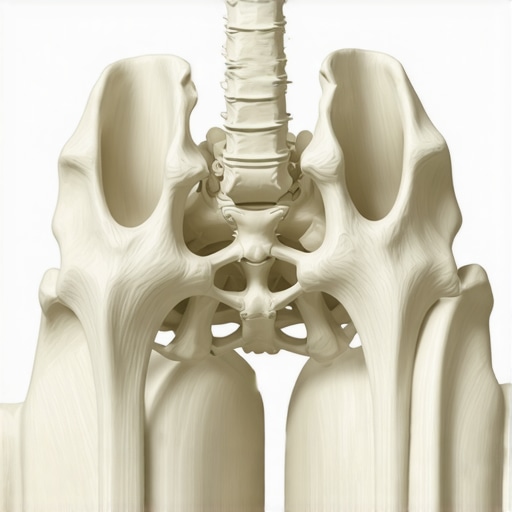
Have you ever caught yourself in the mirror, noticing your pelvis tilting forward, and felt a pang of frustration? That sinking feeling when your posture suddenly feels off, making every movement a little more effortful? I know that struggle all too well. There was a moment, after a long day of sitting and slouching, when I realized my hip flexors were tighter than a drum. That lightbulb moment led me down a rabbit hole of discovery about the role of the humble hip flexor and how releasing it can finally bring relief.
The Real Why Behind Your Pelvic Tilt
Pelvic misalignment isn’t just a minor inconvenience; it’s a root cause of chronic back pain, compromised posture, and reduced mobility. When your hip flexors become overly tight, they pull your pelvis forward, throwing your entire spine out of balance. It’s a sneaky cycle—tight hips lead to poor postures, which then cause even tighter hips in a vicious loop. Recognizing this was the first step in my journey toward fixing it. I promise, you’re not alone in this experience. If you’ve been battling the mysterious aches or constantly adjusting your position, click here to see how others are mastering their mobility – you might find your own story among theirs.
Does Fixing One Muscle Really Make That Difference?
Early on, I made a mistake that could have kept me stuck forever. I thought stretching would be enough. Nope. I was just elongating the tight muscle temporarily. The breakthrough came when I learned about targeted releases—specifically, hip flexor release techniques. They are not just about stretching; they’re about applying gentle pressure and releasing the tension holding your pelvis in that skewed position. If you’re skeptical—believe me—I was too. But sticking to quick fixes without addressing the root cause only delayed my recovery. Learning the right approach, especially from trusted sources like mobility mastery guides, turned everything around for me.
Now, are you tired of feeling stuck or helpless with your posture? Let’s dive into why this hip flexor release is a game-changer and, more importantly, how to do it safely so you can move with less pain and more confidence.
Start with Gentle Self-Assessment
Before diving into any release techniques, identify if your hip flexors are tight. Lie on your back and pull your knees to your chest. If your lower back arches off the ground or you feel tension in the front of your hips, you’re likely dealing with tight hip flexors. I remember during one session, I couldn’t fully relax my pelvis on the table, revealing stubborn tightness that needed specific attention.
Use a Tennis Ball for Deep Release
Position Yourself Correctly
Lie face down on a firm surface so your stomach is relaxed. Place a tennis ball beneath the front of your hip, just below your waistband. This spot is where your psoas muscle— a major hip flexor— resides. During my first attempt, I fumbled to find the exact spot, wincing as I applied pressure on a tender area. Patience and slight adjustments are key.
Apply Controlled Pressure
Gently press into the ball, applying enough force to feel tension but not pain. Hold for 30 seconds to a minute, breathing deeply. Imagine melting tension out of your muscle with each exhale. I found that focusing on slow, deep breaths helped me relax into the release, reducing overall discomfort.
Move the Ball Gradually
After holding, shift the ball slightly to a new spot and repeat. This helps cover the entire muscle belly. During my practice, I made small shifts, often feeling specific knots release, which felt like a mini victory and a clear marker of progress.
Incorporate Sustained Stretching
Once you’ve released tight spots, follow with static stretching. Assume a kneeling lunge position with the same side foot forward. Gently tilt your pelvis under and hold the stretch for 30 seconds. This helps elongate the muscle and solidify gains from the release. My first few attempts felt awkward, but consistency made it smoother over time.
Maintain with Daily Habits
Integrate these releases into your daily routine for lasting change. Even during brief breaks, rolling the hip with the tennis ball or performing hip flexor stretches can prevent tightness from returning. Remember, consistency beats intensity—short, daily sessions trump sporadic deep releases.
Stay Mindful of Alignment
Releasing muscles is just one part; combine with proper posture adjustments. Be aware of your sitting and standing habits. If you slouch often, reinforce good positioning with ergonomic setups and regular movement. For inspiration, check out mobility mastery guides for more tips.
By applying this targeted release technique along with mindful posture adjustments, you can significantly reduce pelvic tilt and back discomfort. Keep practicing, listen to your body, and observe how small, consistent actions make a substantial difference in your mobility and pain levels.
Many people operate under the myth that simply stretching or performing basic exercises will resolve complex issues like chronic back pain or poor posture. While these approaches might offer temporary relief, they often ignore the underlying nuances that truly make a difference. One common misconception is the belief that tight muscles are always the root cause. In reality, muscle tightness can be a compensatory response to other structural or neurological factors. For instance, research shows that joint stiffness and neurological hypofunction can lead to muscle guarding, which isn’t solvable through stretching alone. This nuance can trap individuals into a cycle where they endlessly stretch tight muscles, only to find no lasting improvement. To truly address these issues, you need to look beyond superficial fixes and consider the interconnected elements of mobility and posture. For example, improper joint alignment or neural restrictions can perpetuate tightness, pain, and dysfunction, reinforcing the importance of techniques like targeted mobilizations or neural flossing, which many overlook.
What do advanced mobility techniques involve that simple stretching misses?
They incorporate specific movement patterns, joint manipulations, and neural tension release methods designed to address the root causes rather than just symptoms. Experts suggest that integrating these strategies can accelerate recovery and prevent recurrence. A good starting point is exploring resources on effective mobility strategies—like those found in mastering your mobility—which emphasizes the importance of restoring proper joint function and neurological health.
Be mindful of falling into common traps: using only passive stretching can overstretch tissues, destabilize joints, and even cause micro-injuries if done aggressively or without guidance. Instead, focus on active, controlled movements that enhance joint stability and neural function. Remember, true progress in mobility and posture involves a holistic understanding of the body’s interconnected systems. Don’t get caught in the trap of thinking muscles alone are to blame; often, the real issue lies deeper within joint mechanics and nervous system interactions. Want to optimize your approach? Explore advanced mobility strategies to make meaningful, lasting improvements. Have you ever fallen into this trap? Let me know in the comments, and share your experiences with moving beyond simple stretching.Maintaining your mobility and posture over time requires the right tools and a proactive mindset. Personally, I rely on specific equipment like foam rollers, tennis balls, and resistance bands, which allow me to target tight muscles effectively and perform self-release techniques without needing professional assistance. For example, a high-density foam roller helps me improve my tissue elasticity and prevents tightness from creeping back, especially in my hips and lower back. I favor models with a narrow surface area because they help me access hard-to-reach spots, like the deep psoas or glutes, and apply controlled pressure.
In addition to physical tools, I use mobile apps designed for guided mobility and posture exercises. These apps provide detailed tutorials that ensure I perform stretches and releases correctly, reducing the risk of injury and improving long-term results. I particularly appreciate platforms that incorporate timers, cues, and progress tracking, which keep me consistent and motivated.
Looking ahead, I believe the integration of smart technology—such as wearable sensors that monitor posture or muscle tension—will revolutionize how we maintain our mobility. These devices can provide real-time feedback and personalized adjustments, making self-care more precise and effective.
How do I maintain mobility over time? The secret is consistency combined with the right tools. Incorporate daily routines that include self-release techniques, such as using a tennis ball on tense muscles, alongside mobility drills that activate stabilizers and promote proper joint function. Regularly updating your toolkit—for instance, trying new foam roller techniques or exploring advanced mobility exercises—can keep your routine fresh and effective.
One powerful method I recommend trying today is the deep-release technique with a tennis ball on your hip flexors. It’s simple yet incredibly effective at releasing stubborn tension and preventing chronic tightness. When done correctly, it can pave the way for better posture and less back pain, especially when combined with ongoing mobility strategies found in these expert guides. Keep experimenting with your tools and stay attentive to your body’s signals; this iterative process is key to maintaining lasting mobility and pain-free movement for years to come.
What I Didn’t Expect About Fixing Pelvic Imbalances
One of the toughest lessons I learned was that quick stretches can be tempting but often fall short. The real breakthrough came when I embraced targeted release techniques and committed to consistency, understanding that true change requires patience and a holistic approach.
Learning to listen to my body’s subtle signals, rather than pushing through discomfort, helped me identify root causes like neural restrictions and joint misalignments that simple stretching couldn’t fix. This insight transformed my approach, proving that addressing interconnected systems rather than isolated muscles leads to sustainable relief.
My Favorite Mobilization Tools for Deep Recovery
Over time, I found that a few trusted tools made all the difference: a tennis ball for pinpoint release, foam rollers for tissue elasticity, and resistance bands for activating stabilizers. These aren’t just gadgets—they’re companions in my journey toward better mobility. I trust them because they empower me to perform effective self-care anywhere, which keeps me committed and aware of my body’s needs. Exploring expert-guided routines, like those in mobility mastery guides, elevates my practice even further.
Choosing Progress Over Perfection
Finally, I realized that consistency trumps intensity. Daily micro-movements, gentle releases, and mindful posture habits accumulate into lifelong benefits. It’s tempting to seek quick fixes, but real freedom from pain comes from appreciating the small wins—like a better-connected feeling in your hips or fewer nagging aches. You’re capable of reclaiming your mobility; it’s just a matter of committing today and every day after.