
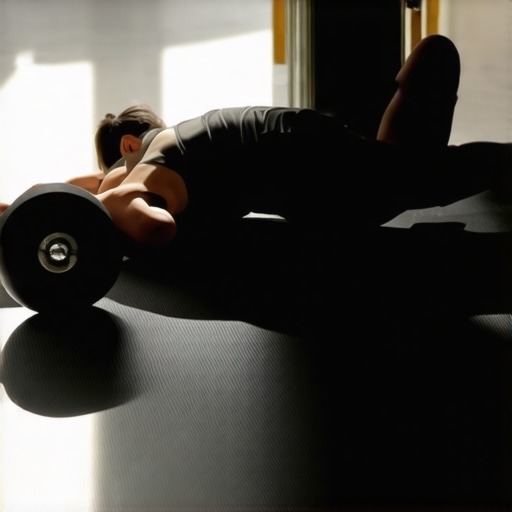
I vividly remember the first time I tried foam rolling my lower back after a long day of sitting at my desk. The moment I rolled over that tender spot, I felt a sharp stab of pain instead of relief. It was a lightbulb moment—realizing I’d been doing it all wrong. Like many, I thought that pushing into my lower back with a foam roller would ease tension, but it often made things worse.
If you’ve ever experienced similar frustration, you’re not alone. The common belief that foam rolling the lower back is a quick fix for pain and stiffness is widespread—and, frankly, dangerous. Today, I want to share why stopping this habit immediately can save you from unnecessary discomfort and even injury.
The Hidden Risk of Foam Rolling Your Lower Back
Is foam rolling your lower back actually worth the hype?
Many folks, including myself early on, get caught up in the idea that more pressure equals more relief. The truth is, your lower back isn’t meant to be directly targeted with foam rollers. The spine is a delicate structure protected by muscles and ligaments, and pressing into this area can inadvertently cause inflammation or exacerbate existing issues.
I used to think that if I just rolled a bit harder, I would loosen up my tight lower back. One time, I overdid it — and the resulting soreness lasted for days. That was a costly mistake, and I learned the hard way that not all self-treatment methods are safe or effective. It’s crucial to approach mobility with care and knowledge.
According to experts, improper foam rolling can increase inflammation and even lead to nerve irritation. Instead, focusing on surrounding muscles and adjusting your daily routines can provide more sustainable relief. For example, gentle thoracic releases or core strengthening exercises often address the root causes better.
If you’re unsure whether your back pain stems from muscle tightness or other issues, consider consulting a professional. You might find that simple adjustments, like proper posture or targeted stretches, make a world of difference. To explore safe alternatives, check out our tips on [mastering your mobility](https://chiromasteryz.com/master-your-mobility-top-strategies-for-moving-without-pain) or [daily spinal adjustments](https://chiromasteryz.com/adjust-your-routine-daily-spinal-alignments-for-lasting-relief).
Next, let’s dig into why your approach to foam rolling might be sabotaging your progress and what you can do instead to improve mobility without risking damage.
Identify the Root Cause Before Moving
Start by assessing whether tightness or pain originates from muscles, ligaments, or joints. Use gentle palpation or have a professional evaluate your back to avoid unnecessary strain. For instance, I once tried a deep twist after feeling tightness, which worsened my discomfort. Recognize the difference between muscular tension and joint restriction to target your efforts effectively.
Focus on Surrounding Muscles
Instead of targeting the lower back directly with a foam roller, prioritize activation and release of muscles that influence the lumbar region. The thoracic spine, hips, and hip flexors play pivotal roles. For example, I incorporated thoracic mobility drills, which significantly reduced my lower-back discomfort over time. Want to learn more? Check out these mobility strategies.
Practice Gentle Mobilization Movements
Implement controlled, gentle movements to enhance flexibility without risking injury. The cat-cow stretch is a simple yet effective exercise: on all fours, alternate between arching and rounding your back slowly. I adopted this during a stressful week, and it helped alleviate stiffness. Remember, consistency beats intensity; avoid aggressive stretching that can cause micro-injuries. For detailed guidance, visit posture correction techniques.
Enhance Your Posture Throughout the Day
Pay attention to your sitting, standing, and sleeping positions. Use ergonomic chairs, maintain a neutral spine, and avoid prolonged flexion. I caught myself slouching during long work hours and set a timer to remind me to reset my posture. Small adjustments, like aligning your ears over your shoulders, can make a big difference. Learn quick daily tips at daily spine adjustments.
Incorporate Core Strengthening
Build a stable foundation by strengthening core muscles, including the transverse abdominis, multifidus, and obliques. A weak core can’t support the lumbar spine effectively, leading to compensations and pain. I started adding planks and bird-dogs into my routine, which improved my back support. Be cautious to perform these with proper form; consult a professional for personalized guidance. Strong core muscles act like a supportive corset, reducing unnecessary strain on your lower back.
Implement Micro-Adjustments Daily
Small, consistent breaks to adjust your spinal alignment can prevent chronic tightness. For example, during work, practice brief spinal resets by gently tilting your pelvis or rolling your shoulders back. I dedicated a minute every hour to these tweaks and experienced less stiffness. Simple habits like these are outlined in daily spinal adjustments.
Move Mindfully and Listen to Your Body
Move within your comfort zone, avoiding pain or sharp sensations. If a movement causes discomfort, stop and reassess. I learned to differentiate between muscle fatigue and pain, halting exercises when necessary. Over time, this mindful approach increased my mobility and prevented setbacks. For additional tips on safe movement, explore mobility mastery techniques.
Many individuals assume they fully grasp the causes and solutions for back pain, but in reality, there’s a layer of complexity often overlooked. One common myth is that all pain originates purely from muscle tightness; however, biomechanical factors like joint misalignments can play a significant role, and ignoring these nuances can lead to ineffective or even harmful interventions. For instance, relying solely on foam rolling or stretching without considering underlying joint or posture issues may provide temporary relief but fail to address the root cause, allowing problems to persist or worsen. According to a 2018 study published in the Journal of Bodywork and Movement Therapies, targeted spinal adjustments combined with movement retraining significantly outperform generic stretching routines in chronic back pain management. This highlights the importance of personalized assessment over one-size-fits-all solutions.
Are We Misreading Posture and Mobility Signals?
Many practitioners focus on correcting static postural deviations, like rounded shoulders or forward head posture, as primary fixes. While these are evident, the real clue lies in dynamic movement patterns and functional limitations. A client may present with seemingly poor posture but move efficiently and experience no discomfort, indicating that structural correction might be unnecessary. Conversely, subtle misalignments during motion could be the actual pain drivers. Understanding this distinction requires a nuanced assessment strategy that emphasizes movement quality over static alignment. Incorporating functional movement screens and micro-adjustments—found in techniques like the ones detailed here—can prevent unnecessary interventions.
Another overlooked aspect is the influence of the fascia and connective tissue network. Restrictions in fascial layers can mimic joint or muscular issues, trapping nerves or altering biomechanics. Myofascial release techniques, when combined with mobility drills—accessible via this resource—address these subtle restrictions effectively. Recognizing these invisible yet impactful structures underscores the importance of a comprehensive approach rather than solely focusing on muscles or bones.
Avoid the Common Trap of Symptom Skipping
One of the most insidious mistakes is treating symptomatic relief as the endpoint. Temporary comfort achieved through quick fixes like heat packs or superficial stretches can lead to neglecting deeper issues such as core weakness, joint restrictions, or neurological factors. This approach fosters a cycle of dependency and chronicity.
Rather than putting band-aids on symptoms, prioritize a strategy that combines professional assessments, movement education, and personalized adjustments. For example, a subtle shift in daily habits—like micro-adjustments during work or targeted core activation—can yield long-term benefits. For further guidance, explore these expert tips on sustainable back health.
Remember, every person’s back story is unique. The key lies in understanding the intricate interplay between structure, function, and lifestyle. Challenge your assumptions, stay curious about your movement patterns, and seek tailored solutions. Have you ever fallen into this trap? Let me know in the comments.Maintaining your back’s health over time hinges not only on proper movement but also on using the right tools and techniques consistently. One of my most trusted allies in this journey is a high-quality foam roller. Specifically, I gravitate towards a firm, dense foam roller like the GRID Foam Roller from TriggerPoint, which offers targeted pressure that helps release myupper back fascia and tight hips effectively. I use it after workouts or prolonged sitting sessions, focusing on my thoracic region and hips, as these areas greatly influence lumbar comfort. To ensure my exercises are precise and safe, I also incorporate a massage ball, like the Lacrosse Ball, which I use to target stubborn knots around my pelvis and lower back—areas that often harbor hidden tension. This combination allows for dynamic self-myofascial release, boosting circulation and flexibility without risking injury. For tracking my progress and structuring my mobility routines, I rely on mobility apps such as ‘ROM Coach,’ which guides me through tailored exercises and reminds me to perform micro-movements throughout the day. These digital tools have become invaluable for maintaining consistency and staying motivated. Looking ahead, I believe the integration of AI-powered biofeedback devices will revolutionize home mobility maintenance, offering real-time correction cues and personalized adjustments. Predicting this trend, I see a future where smart wearable sensors monitor posture and muscular activity, alerting you instantly when your alignment deviates. To keep your back resilient over the years, regularly practicing daily spinal micro-adjustments can be game-changing. However, the key to lasting results lies in consistency, correct technique, and understanding your body’s unique needs. One of my favorite practices includes simple daily resets using a mobility cushion or foam roller, especially during sedentary workdays. Want to make your daily routine even more effective? Try incorporating a targeted self-mobilization session using your foam roller for just five minutes before starting work or after a long day—this small investment can prevent long-term issues and keep you moving freely. For detailed how-to guides, check out [these mobility mastery strategies](https://chiromasteryz.com/mobility-mastery-simple-exercises-to-relieve-chronic-back-pain). Remember, choosing the right tools and integrating them thoughtfully into your routine is essential for sustainable back health. If you’d like personalized recommendations or ongoing support, don’t hesitate to reach out for expert guidance. Keep your back working smoothly by taking small, intentional steps today—your future self will thank you.
Lessons That Changed My Approach to Back Health
The biggest insight I gained was realizing that not all tightness originates from muscle — sometimes, joint misalignments or fascial restrictions are the real culprits. I’ve learned that chasing quick fixes like aggressive foam rolling can mask symptoms instead of addressing root causes, which only prolongs discomfort. A key lesson was understanding the importance of movement quality over static postures; focusing on dynamic, controlled mobility exercises truly transformed my recovery process. Connecting with professionals taught me that personalized assessments often reveal hidden layers of issues most generic routines overlook. Embracing patience and consistency turned my back health journey into a sustainable lifestyle rather than a temporary fix.
Tools That Elevate My Back Wellness Routine
For deep tissue work and fascia release, I swear by a dense foam roller like the GRID Foam Roller from TriggerPoint, which provides targeted pressure without risking injury. A Lacrosse ball has become an essential tool for pinpointing stubborn knots around my pelvis and hips, significantly easing tension. I also incorporate an app like ‘ROM Coach’ to structure my daily mobility routines and track progress, making sure I stay consistent. Lastly, I trust resource guides like Mobility Mastery for expert-led exercises that keep me moving effortlessly. These tools, combined with professional guidance, form the foundation for lasting back health.
Your Next Step Toward Pain-Free Living
The pathway to a healthy back is uniquely yours—it’s about making mindful choices daily and embracing continuous learning. Small adjustments, like micro-movements during work and intentional posture checks, accumulate into significant improvements over time. Remember, consistent effort and patience are your greatest allies on this journey. Don’t wait for pain to dictate your life—begin today by integrating simple, effective habits into your routine. If you’re ready to take control, explore these expert mobility tips and start building a resilient back for the future. Your strongest, pain-free self is just a few mindful steps away—are you prepared to make that change?
,