
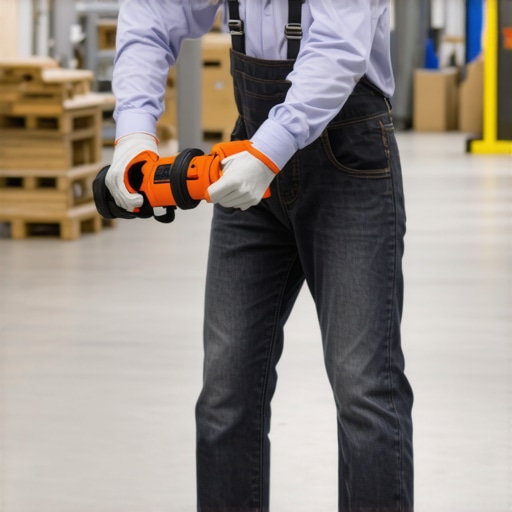
It was that moment I dreaded every time I needed to move something heavy. My muscles would scream the next day, and I’d be hobbling around, regretting every awkward lift. One particularly rough move left me clutching my lower back, thinking, “There has to be a better way.” That lightbulb moment led me to discover techniques that transformed my approach—and now, I want to share them with you.
Why Proper Lifting Techniques Matter More Than You Think
Few things in life are as frustrating as injuring yourself while doing a task that seems simple—like moving boxes. Believe me, I’ve been there. Early on, I made the mistake of thinking that brute strength alone would do the trick. I ignored my posture, didn’t engage my core, and shrugged off the importance of proper body mechanics. The result? Sore muscles, lingering back pain, and days of discomfort.
What changed everything was realizing that safe lifting isn’t about effort but technique. When I started paying attention to how I positioned myself, how I engaged my core, and how I balanced the weight, the difference was night and day. My muscles weren’t constantly taxed, and I felt fresh the next morning. In fact, even after heavy lifts, I could move about without that familiar ache.
Now, I want to help you achieve the same. Whether you’re moving into a new apartment or shifting furniture in your garage, knowing the right strategies can save you from pain and potential injuries. Proper lifting is not just a physical act; it’s a mindful process that protects your body.
If you’ve ever faced the dilemma of heavy lifting leaving you sore the next day, you’re not alone. Many underestimate the importance of correct body mechanics. According to a study published in the Journal of Occupational and Environmental Medicine, improper lifting techniques are responsible for 30% of back injuries in the workplace—proof that knowing the right way can make a real difference.
So, are you ready to ditch the soreness and lift smarter, not harder? Let’s explore the proven methods that can keep you pain-free and moving effortlessly.
Is the Hype Around ‘Proper Lifting’ Just Exaggerated?
I used to think that perfect form was overkill. Now, I realize it’s the foundation of safe lifting. Early on, I made the mistake of thinking I could muscle through, ignoring how crucial posture and engagement are. Trust me, skipping these steps can turn a simple task into a painful ordeal. Want to learn how to lift like a pro? Check out our detailed guide on mastering mobility and safe lifting techniques [here](https://chiromasteryz.com/master-your-mobility-top-strategies-for-moving-without-pain).
Getting this right isn’t just about preventing soreness; it’s about preserving your long-term health. So, let’s dive into practical, easy-to-remember tips that will keep you strong and pain-free the next time heavy boxes need to be moved.
Align Your Feet for Stability
Start by positioning your feet shoulder-width apart, with one foot slightly ahead of the other. Imagine you’re setting the foundation of a building; stability begins from the ground up. When I nearly twisted my ankle lifting a heavy box, I realized my stance was too narrow. After widening my stance, I felt more grounded, and my back didn’t strain as much.
Bend at the Hips and Knees, Not the Waist
Think of your hips as hinges—bend them first, followed by your knees, to lower yourself into the lift. This prevents overloading your lower back. I once tried to squat without engaging my hips, which led to immediate discomfort. Correcting my technique by hinging at the hips saved me from a sore back the next day.
Engage Your Core Like a Belt
Before lifting, tighten your abdominal muscles as if pulling in a corset. This brace acts like a supportive girdle, protecting your spine. During a move to carry my fridge, I consciously contracted my core, which made the lift feel more controlled and reduced fatigue.
Maintain a Neutral Spine Throughout
Keep your back straight and avoid rounding or arching excessively. Envision a string pulling the top of your head upward—this keeps your spine aligned. I once leaned forward during a lift, resulting in a painful strain. Keeping my back flat prevented that mishap.
Lift with Your Legs, Not Your Back
Use your leg muscles to stand up, just like powering a squat. This distributes the load safely. I’d previously relied on my back, causing soreness. Applying this leg-driven approach made lifting heavy furniture safer and easier.
Practicing these steps transforms the effort into a safe, controlled movement. For a deeper dive into mobility strategies that complement proper lifting, visit this guide on mobility strategies. Remember, turning these actions into habits over time is key to preserving your back health and overall mobility.
Many people believe that simple stretching or basic posture awareness solves chronic back pain, but the reality is far more nuanced. A common misconception is that once you learn a few correction tips, your issues are fixed. However, this oversimplification ignores critical subtleties in mobility and posture adjustments that can make all the difference. For instance, relying solely on static stretches without considering dynamic movement patterns often leads to temporary relief but not long-term improvement. According to top clinicians, incorporating functional mobility exercises tailored to your specific needs is essential for sustainable health. Another trap many fall into is misinterpreting pain signals, thinking pain means damage rather than a sign of faulty movement patterns. Pushing through discomfort without proper assessment can exacerbate issues. When addressing back pain, understanding the importance of nuanced adjustments—like pelvic tilts or thoracic rotations—is key, as they target underlying imbalances rather than just symptoms. Avoid the mistake of neglecting the interconnectedness of posture, core stability, and movement habits, which form a complex system. An advanced approach involves analyzing your gait, breathing, and habitual positions to identify hidden contributors to pain. For example, a slight asymmetry in your foot stance can influence spinal alignment over time, leading to discomfort. Engaging in targeted mobility strategies—like those outlined in our comprehensive mobility mastery guide—can reveal underlying dysfunctions that generic advice overlooks. Remember, making incremental, precise adjustments saves you from long-term pain or injury. When it comes to durability, investing in expert-guided routine evaluations or personalized correction strategies can optimize results. Don’t wait until pain worsens—consider professional assessments to uncover these hidden nuances. Want personalized guidance? Reach out through our contact page and start your journey to better back health today. Have you ever fallen into this trap? Let me know in the comments.Maintaining optimal back health requires more than just occasional stretches; it involves investing in the right tools and adopting sustainable routines. One of my top recommendations is a high-quality foam roller, specifically designed for targeted release of myofascial tissues. I personally use the TriggerPoint GRID Foam Roller because its firmness and grid pattern help me break up muscle knots effectively, preventing chronic tension that leads to back pain. Incorporating regular self-myofascial release sessions with this tool has markedly improved my mobility and reduced soreness. Additionally, a resistance band like the TheraBand provides versatile options for strengthening postural muscles and correcting imbalances, crucial for long-term spinal health. I use mine daily to perform gentle pull-aparts and shoulder blade squeezes, which enhance posture and minimize strain during daily activities. For posture correction, I highly recommend a smart posture tracker, such as Upright Go. It gently vibrates when you slouch, reinforcing good habits over time. I’ve found these devices invaluable for maintaining awareness of my sitting and standing habits, especially during extended work sessions. Looking ahead, trends indicate an increasing integration of biofeedback technology and mobile apps. These innovations will likely become more personalized and proactive—alerting you before poor habits take root. To truly keep your mobility and back health in check over the years, I advise developing a routine that includes daily mobility exercises from our mobility mastery guide, combined with these tools. Remember, consistency trumps intensity; even a few minutes daily can produce profound benefits. How do I maintain my back health over time? I set aside dedicated time each morning for my mobility routine, incorporating use of my foam roller and resistance bands, complemented by posture awareness with my smart tracker. This approach ensures my spine stays nourished and resilient, enabling me to enjoy a pain-free life. Ready to optimize your long-term results? Try integrating the TriggerPoint GRID Foam Roller into your daily routine and notice the difference. For more tailored strategies, explore our comprehensive guide on mobility strategies for long-term health.Through my journey, I’ve discovered that true mobility isn’t just about quick fixes but cultivating a mindful approach that becomes second nature. One of the toughest lessons was realizing that neglecting small daily adjustments accumulates over time, leading to chronic pain you’ve accepted as inevitable. Embracing consistent, deliberate movements has transformed my relationship with my body, fostering resilience and freedom in everyday life. Another insight was understanding that personalized routines, rather than generic advice, are key to sustainable health—taking the time to analyze what works uniquely for you can prevent setbacks and setbacks. Lastly, I learned that sharing experiences and leaning on community wisdom amplifies progress; no one’s journey is linear, and collective insights can illuminate hidden pitfalls and breakthroughs.