
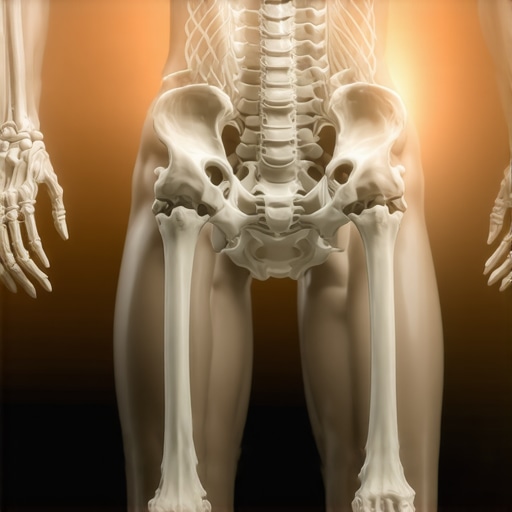
It hit me one morning—standing in front of my mirror, I noticed my hips felt uneven, and suddenly, my left leg seemed shorter than the right. That unsettling feeling? It wasn’t just about my legs; it was a wake-up call about my entire posture and how I move daily. Have you ever experienced that weird sensation that one leg just doesn’t feel quite right, especially after a long day or a tough workout? If so, you’re not alone—and you’re not imagining things.
Understanding the Silent Signals from Your Body
Your body’s musculoskeletal system is like a finely tuned orchestra. When one part falters—say, your hip gets tight or misaligned—it throws everything off balance. That imbalance can make your leg feel shorter, which isn’t about actual limb length but a result of altered joint positioning or muscular tension. Interestingly, studies show that even small asymmetries can impact your gait and put extra strain on your joints over time (source).
Early in my journey, I made the mistake of simply stretching without addressing the root cause. I thought, “If I stretch my hips, everything will normalize.” But that only temporarily masked the problem. Until I understood that misalignments often stem from daily habits, poor posture, or even subtle muscle imbalances, I kept spinning my wheels.
So, if you’re wondering whether your leg feeling shorter is just a weird quirk or something more serious, the truth is—it’s a common sign your hips and pelvis aren’t in sync. Ignoring it can lead to ongoing back pain, knee issues, or even more pronounced postural problems.
Is This Total Hype or Real Help?
Honestly, I used to dismiss such symptoms as minor or insignificant, thinking “it’s just my hips” or “it’ll fix itself.” But ignoring these tiny signals? That’s where I went wrong. The good news is that with proper adjustments and mindful habits, you can often correct these imbalances and regain your full mobility. To start, I recommend exploring some daily adjustments. They’re simple, effective, and accessible—sometimes all it takes is a few moments of awareness each day. Check out this guide to learn easy tweaks that can make a big difference.
Start with Grounded Breathing to Reset Tension
Before diving into physical movements, practice diaphragmatic breathing—inhale deeply through your nose, allowing your belly to expand, then exhale fully. I recall a busy morning when I felt my hips tighten during a meeting. Taking five minutes to focus on my breath helped reduce muscular tension and set the stage for more effective adjustments.
Identify and Release Tight Muscles with Targeted Foam Rolling
Use a foam roller or tennis ball to release stubborn tight spots, especially in your hips, quads, and lower back. Lie on your side and place the foam roller under your hip, gently rolling back and forth. When I first tried this, I was amazed at how pinpointing and rolling out specific tight areas immediately improved my hip symmetry. Focus on tender spots, but never force through pain.
Tip: Avoid rolling directly on the lower back to prevent inflammation.
Implement Daily Hip-Specific Stretches and Mobilizations
Incorporate stretches like the seated hip stretch or the figure-four stretch to improve flexibility. I include a simple 2-minute stretch after my morning walk, aiming to open up my hip flexors and abductors. Consistency is key—just a few minutes daily can realign your gait and relieve pressure.
Example: I found that doing the ‘Hip Flexor Release’ using a yoga strap helped loosen tight muscles that contributed to uneven hips.
Control Pelvic Alignment While Moving
Pay attention to your pelvic tilt during daily activities. When sitting at your desk, imagine balancing a paperback on your hips and keep it level. I used to slouch unconsciously, but once I actively engaged my core and maintained a slight pelvic tilt, my back pain decreased significantly.
Micro-Story: During my afternoon work sessions, I set reminders to check my posture, leading to noticeable improvements in hip balance over weeks.
Refine Posture During Static and Dynamic Movements
Practice standing and walking with awareness of hip alignment. Visualize your hips as being level like a seesaw in perfect balance. I resisted the urge to compensate with my back, which exacerbated imbalance. Instead, I consciously contracted my glutes and engaged my core—this taught my muscles to support proper positioning.
Leverage Gentle Strengthening and Stabilization Exercises
Incorporate bodyweight routines like the glute bridge or bird-dog to reinforce balanced muscle activation. I added these to my routine after noticing mild instability during certain movements, which was causing persistent misalignment. Start slow; focus on control rather than speed to prevent overcompensation.
Consider Connecting with Professionals
If persistent imbalance or pain occurs, consulting specialists through professional guidance ensures tailored care. I found that a few sessions with a chiropractor helped my issue significantly, especially when combined with these daily practices.
Track Progress and Adjust accordingly
Use a mirror or record yourself walking to observe hip level and gait. I kept a simple journal, noting improvements and setbacks. Small adjustments in movement patterns and consistency led to long-term benefits, decreasing the sensation of one leg feeling shorter.
Many people believe that simply stretching or doing occasional adjustments will fix all their posture issues, but the truth is, this oversimplification often leads to frustration and ongoing pain. One widespread misconception is that mobility problems are solely about flexibility; however, research shows that mobility involves complex neuromuscular control, which cannot be improved by static stretching alone (source). Another myth is that posture corrections require intensive, time-consuming routines, whereas small, consistent daily adjustments often yield better long-term results. A common pitfall is relying heavily on self-diagnosis—many assume that their symptoms are minor or temporary when, in reality, ignoring subtle signs can lead to chronic issues. For example, consistently slouching at your desk may seem harmless, but over months, it can cause misalignments leading to back spasms or disc problems if not addressed early (source).
Why Do We Fail to Make Lasting Changes Despite Good Intentions?
It’s often because we overlook the importance of understanding underlying causes, like muscle imbalances or joint restrictions, rather than focusing solely on appearance or quick fixes. Advanced practitioners emphasize that true mobility enhancement requires a comprehensive approach—combining soft tissue release, neuromuscular training, and mindful habits. This nuance is critical: neglecting the interconnectedness of your body’s systems means settling for superficial improvements that fade quickly. Studies indicate that addressing movement patterns holistically results in more sustainable relief and prevent recurrence (source).
Another trap many fall into is believing that posture adjustment is a one-time fix. Real progress involves ongoing assessment and adaptation—your body’s needs evolve, and so should your approach. Incorporating simple daily movements, like controlled pelvic tilts or gentle thoracic rotations, can dramatically improve your overall function (source).
Remember, genuine change is about understanding the nuanced mechanics of your body and committing to consistent, informed practices. Don’t fall for quick fixes or myths that promise overnight miracles. Instead, focus on small, deliberate adjustments that respect your unique structure. Have you ever fallen into this trap? Let me know in the comments.
Keeping Your Mobility Strong Over Time
Maintaining mobility isn’t a one-and-done effort; it requires intentional tools and consistent routines. Personally, I rely on a few specific pieces of equipment that have transformed my approach to long-term health. A high-quality foam roller, for example, is indispensable for releasing tight muscles and preventing imbalances from creeping back. When I use it regularly, particularly targeting my hips and lower back, I notice sustained improvements in my posture and less discomfort during daily activities.
For deep tissue work, I prefer a massage stick with adjustable tension settings. It allows me to precisely target stubborn knots without risking overpressure, which is crucial for avoiding setbacks. Combining foam rolling with targeted stretching creates a synergy that preserves the gains made through conscious adjustments. Regular foam rolling can even influence neuroplasticity, helping your nervous system retain better control over muscle activation (source).
In addition to physical tools, I incorporate mobility apps designed to guide daily routines. These programs offer tailored exercises that adapt over time, ensuring you don’t just perform random stretches but a structured plan that evolves with your body’s needs. Technology like this exemplifies where future mobility care is headed—integrating data tracking and personalized routines to optimize progress seamlessly.
How do I maintain lasting improvements in my posture and back health?
The secret lies in integrating simple yet specific habits into your daily life. For instance, dedicating just five minutes each morning to a series of functional mobility drills—such as pelvic tilts or thoracic rotations—can set your body up for success. I suggest starting with light control movements to reinforce neuromuscular pathways, solidifying proper movement patterns. Frame your routine within the context of regular check-ins, whether through mirror assessments or short recordings, to catch regressions early.
Moreover, consistently revisiting cornerstone concepts like daily spinal alignments and joint spacing is vital. This could mean setting reminders to “Adjust Your Routine” as outlined in this guide. These small actions compound over months, preventing minor misalignments from turning into chronic pain. Think of your body as a finely tuned machine—if you don’t perform regular maintenance, even the best parts will wear prematurely.
In the future, I see a trend toward smarter, biofeedback-driven tools that monitor posture and movement quality in real-time. This convergence of tech and biomechanics promises more proactive management, reducing the need for reactive treatments. Until then, combining evidence-based tools like foam rollers, mobility apps, and mindful routines remains your best bet for lasting health. Try integrating a targeted foam rolling session into your routine this week and notice how your body responds—sometimes, the tiniest adjustments make all the difference.
The Hardest Lesson I Learned About Mobility and Posture
One of my biggest realizations was that improving mobility isn’t just about quick fixes—it’s about understanding how habitual movements and subconscious habits shape our body’s health over time. Rushing into stretching or foam rolling without addressing underlying muscle imbalances often leads to temporary relief rather than true progress. Recognizing that consistent, mindful adjustments build the foundation for lasting change was a game-changer for me. My advice: patience and awareness are your best allies in the journey toward better hips and posture.
3 Myths About Mobility and Back Pain That Held Me Back
Initially, I believed that flexibility alone would solve my hip imbalance and back pain. I also thought that once I fixed my posture, the problem was permanently gone. And I ignored the importance of neuromuscular control, assuming strength training alone was sufficient. Breaking free from these myths helped me realize that posture correction requires a holistic approach—combining soft tissue work, stabilization exercises, and daily habits. This resource expanded my understanding of mobility strategies, emphasizing quality movement over sheer flexibility.
What Experts Won’t Tell You About Fixing Imbalances
One secret I discovered is that true correction isn’t about doing more of the same. Sometimes, less—like gentle, targeted releases and mindful movement—produces better results. Experts also highlight that reactive adjustments, like heightening awareness during movement and controlling pelvic position, are crucial. Getting professional guidance can accelerate progress, especially when self-assessment hits a plateau. Remember, your body’s interconnected systems mean that addressing just one area without considering overall alignment can limit long-term success.
Action Counts More Than Intensity
From my experience, small daily choices—like setting reminders to check posture or incorporating brief mobility drills—outperform intense but sporadic routines. Building habits, such as mindful pelvic tilts or regular foam rolling, creates a rhythm that the nervous system adapts to, reinforcing correct patterns. The real secret is consistent action; even five minutes daily can lead to dramatic improvements in hip symmetry and back comfort.
Inspired to Move Better Today
Understanding these lessons reminded me that lasting mobility and posture health are about more than quick fixes—they’re about embracing a lifelong commitment to mindful movement and self-care. Your body is an incredible system that benefits from gentle, consistent attention. Start small, stay patient, and trust your body’s capacity to adapt and heal. Remember, your journey towards improved hips and posture is personal, and every mindful step counts.
Have you noticed subtle signs of imbalance in your daily routine? What small change are you planning to implement this week? Share below—I’d love to hear about your progress.