
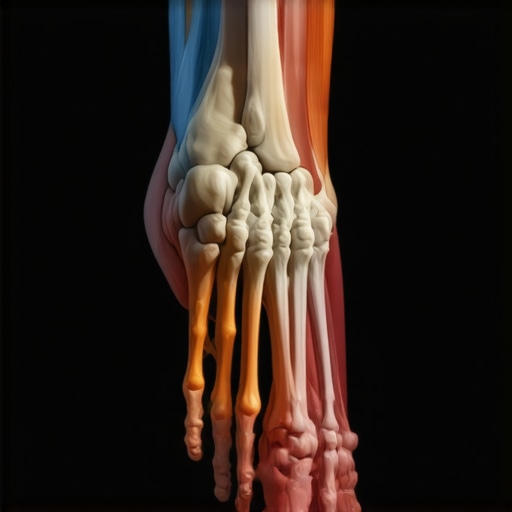
I remember the first time I felt that sharp, nagging ache in my lower back after a long day of standing at the grocery store. It was one of those moments where I questioned everything—was my posture really that bad? Could a tiny part of my body be secretly betraying me? That lightbulb moment led me down a surprising path: discovering how my big toe, of all things, could be tied to my persistent back pain.
You see, for years I struggled with recurring back discomfort. I tried everything—stretching, strengthening, even fancy ergonomic chairs. But nothing seemed to truly stick. Then I started paying closer attention to my feet, particularly that big toe. Turns out, there’s a crucial link between the way we move our toes and how our entire spine aligns. And if that link is out of sync, it can cause a domino effect leading to chronic back issues.
In this post, I want to share with you a perspective I wish I had known earlier—the one that changed how I view pain, mobility, and ultimately, my quality of life. We’re going to uncover the often overlooked connection between your big toe and back health, and I’ll show you simple, effective ways to restore balance using techniques I personally tested and refined. Better posture and less pain aren’t just distant goals—they can be a real, achievable change.
The Hidden Role of Your Big Toe in Back Health
Many folks don’t realize how foundational their foot placement and toe movement are to their overall posture. Our toes serve as the body’s first point of contact with the ground, playing a pivotal role in stability and movement. When the big toe doesn’t function properly—say, due to stiffness, weak activation, or misalignment—it can throw off your gait and spinal posture. Over time, this imbalance may lead to compensatory movements that strain your lower back.
Research even suggests that proper toe mobility is essential for optimal balance and gait efficiency. A study published in the Journal of Bodywork and Movement Therapies highlights how toe dysfunction correlates with increased lower-back stress and discomfort. So, it isn’t just about feet; it’s about your entire musculoskeletal harmony.
Have you ever noticed that when your big toe feels stiff or sore, your back feels worse? If so, you’re not alone. Many individuals chalk up back pain to poor posture or sitting too long, but often, the root problem originates down at the foundation—your feet. Addressing this could be the key to lasting relief.
Before I continue with actionable steps, I want to share a mistake I made early on—ignoring my foot health entirely. I spent years focusing only on my back and core, neglecting how my foot mechanics contributed to the problem. Trust me, overlooking your toes can be a costly oversight. If this resonates, I invite you to explore how small adjustments can lead to significant improvements. For more practical tips, check out our guide on [unlocking better posture through simple adjustments](https://chiromasteryz.com/unlocking-better-posture-simple-adjustments-to-relieve-back-pain). Now, let’s dive into what you can do today to reset and strengthen your big toe, and in turn, support your back.
How to Mobilize Your Big Toe for Spinal Alignment
Start by sitting comfortably on a chair with your feet flat on the ground. Place a small towel or resistance band around your big toe for added grip. Gently curl your toe upward, aiming to move it through its full range of motion. Hold the stretch for 5 seconds, then relax. Repeat this 10 times, focusing on slow, controlled movements. I applied this during my lunch break; at first, it felt awkward, but after a few days, I noticed less tension in my back and improved balance.
Strengthen Your Toe to Reinforce Posture
Stand barefoot in a doorway facing the wall. Place a small object like a coin or marble in front of your big toe. Try to pick it up using only your toe without moving your heel or other toes. Repeat this for 10 repetitions per foot. This exercise activates the intrinsic muscles of your toe, contributing to better stability and gait. I struggled initially, dropping the coin multiple times, but persistence paid off with noticeable improvements in my gait and reduced lower-back discomfort.
Incorporate Toe-Cinged Movements into Daily Routine
Throughout your day, make it a habit to pause and wiggle your toes actively. For example, during your commute or while brushing your teeth, splay your toes wide then curl them tightly. This micro-movement helps maintain mobility and prevents stiffness. I found that simply paying attention to my toes made a significant difference, especially after long periods of sitting, helping to prevent my back from stiffening up.
Address Stiffness with Manual Techniques
If you notice persistent stiffness, use your thumb or a tennis ball to gently massage the base of your big toe and the surrounding arch area. Apply light pressure in circular motions for about 2 minutes. This helps release tension in the plantar fascia and enhances toe mobility. I added this step after workouts, and it quickly relieved lingering tightness that used to radiate up my spine, ensuring my back stayed more relaxed throughout the day.
Maintaining these simple yet effective techniques can re-establish proper toe function, which plays a pivotal role in supporting your entire musculoskeletal system. Small consistent actions lead to lasting change, empowering you to stand taller and move with less pain.
While many are quick to accept popular advice about mobility and posture, they’ve often overlooked a critical nuance: not all exercises and adjustments are created equal, and some common beliefs can actually do more harm than good. For example, the widespread focus on stretching tight muscles might seem beneficial, but overextending or over-relying on static stretches can sometimes exacerbate instability—especially if you haven’t addressed the foundational joint and fascia health. This misconception comes from the assumption that tightness equals weakness, which isn’t always accurate; sometimes, tight muscles are a protective response to underlying instability or joint misalignment.
A common myth in the mobility community is that frequent, aggressive stretching leads to better flexibility, but research and experiential evidence suggest that dynamic, controlled movements combined with joint-specific adjustments are more effective. Over-stretching can cause micro-tears, leading to inflamed tissues and compromised joint integrity, ultimately hindering mobility gains instead of enhancing them. To truly improve posture and back health, the nuance lies in understanding the body’s proprioceptive feedback, which guides safe and effective movement patterns rather than just elongating tissues indiscriminately.
Another mistake many make is neglecting the role of subtler joints, like the ankles and hips, in maintaining spinal alignment. For instance, limited ankle mobility can cause compensatory lumbar movements, increasing stress on the lower back. Ignoring these links is a barrier to comprehensive correction. As expert Dr. Kelly Starrett emphasizes, “Mobility is about optimization, not just stretching” — and that means assessing and adjusting joint function holistically rather than isolated muscle tightness.
An advanced question I often encounter is: how can I improve my mobility without destabilizing my joints? The key is integrating controlled joint mobilizations with awareness of fascial restrictions, emphasizing quality over quantity. Techniques such as myofascial releases combined with joint-specific adjustments—like those outlined in our [daily spinal alignments guide](https://chiromasteryz.com/adjust-your-routine-daily-spinal-alignments-for-lasting-relief)—are powerful. Remember, pushing past pain or forcing movement without proper groundwork may lead to micro-injuries, creating a cycle of pain and stiffness.
Ultimately, the path toward better posture and back health goes beyond just doing more exercises—it requires a nuanced understanding of body mechanics, joint health, and tissue responses. For more insights on avoiding common pitfalls and mastering mobility, I recommend exploring [simple exercises that relieve chronic back pain](https://chiromasteryz.com/mobility-mastery-simple-exercises-to-relieve-chronic-back-pain). If you’re ready to fine-tune your approach and sidestep these traps, connect with professionals who understand these subtleties—reach out through our [contact page](https://chiromasteryz.com/contact-us). Have you ever fallen into this trap? Let me know in the comments.Maintaining your mobility and posture over the long term requires the right tools and a disciplined approach. From simple equipment that fits into your daily routine to software that guides you, these tools have personally helped me sustain progress and prevent setbacks. Investing in quality gear and consistent habits ensures your efforts don’t fade and that your body keeps performing at its best.
First, I swear by a set of massage balls—specifically, tennis balls—for manual myofascial release. I use them daily to target tight spots around my hips, calves, and thoracic spine. The simplicity, portability, and affordability of tennis balls make them an invaluable addition to my toolkit. They help release tension that stiffens muscles and fascia, which are often overlooked contributors to back pain. You can find the technique in our [self-myofascial release guide](https://chiromasteryz.com/how-to-use-a-tennis-ball-to-release-tight-glute-muscles) that I’ve refined over years.
Secondly, it’s essential to incorporate a reliable measurement and tracking app. I use a mobility tracking app that records my flexibility and joint range of motion over time. This data helps me identify trends, recognize when I’m losing progress, and adjust my routines accordingly. Regular monitoring is key because mobility isn’t static; it fluctuates based on stress, activity, and aging.
When it comes to exercise accessories, a foam roller isn’t enough on its own. I prefer a mobility-specific roller that offers varied textures and firmness, enabling targeted releases for different tissues. Enhanced foam rollers with vibration features (like those from Hyperice) help deepen tissue relaxation and accelerate recovery, particularly after intense workouts or long hours sitting. These tools make it easier to apply controlled pressure, avoiding a ‘guesswork’ approach that can lead to overdoing or injuring yourself.
To supplement physical tools, I integrate biofeedback devices designed for posture correction. Wearable posture trainers vibrate gently when my shoulders slouch or neck protrudes, immediately prompting correction. This real-time feedback has ingrained better habits into my daily movements, reducing strain accumulated over years. As Dr. Kelly Starrett emphasizes, “Posture correction isn’t a one-time fix but a continuous process of awareness and reinforcement”—and these devices facilitate that process.
Looking ahead, I predict that as technology advances, personalized, AI-driven mobility coaches will become more accessible, giving tailored programs based on real-time data. Virtual reality might even offer immersive guidance for posture and movement calibration, making maintenance both engaging and effective.
### How do I keep my mobility tools effective over time?
The key is consistent calibration and maintenance. Regularly check your equipment for wear—replace foam rollers if they start to crack, update app software to benefit from the latest features, and revisit manual techniques to ensure you’re applying proper pressure. Incorporate routine self-assessments, like our [daily spinal alignments](https://chiromasteryz.com/daily-adjustments-to-alleviate-back-pain-and-improve-posture), to stay aligned. These small habits compound; a proactive approach prevents minor issues from escalating into chronic problems.
Finally, I recommend trying a simple but powerful advanced tip: use a tennis ball to identify and release stubborn fascia around your lower back and hips. Consistency is everything, and this inexpensive tool has been a game-changer in my journey. For detailed steps, see our instructional guide linked above. If you’d like personalized advice or assistance, don’t hesitate to reach out through our [contact page](https://chiromasteryz.com/contact-us). Your long-term mobility depends on the tools you choose today—invest wisely, and your body will thank you.
What I Never Expected About Movement and Back Pain
One of the biggest revelations in my journey was realizing that addressing my back pain wasn’t just about stretching or strengthening my core—it was about paying attention to the subtle, often overlooked parts like my big toes and ankle mobility. These tiny adjustments led to profound changes, underscoring that sometimes, the smallest details have the biggest impacts.
Learning how fascia tightness and joint misalignments intertwine taught me that progress isn’t linear. Small, consistent movements, like mobilizing my toes daily, created a ripple effect that improved my posture and reduced discomfort far beyond my initial expectations.
From personal experience, I discovered that integrating manual techniques with mindful habits turned my mobility struggles into a practicing ground for resilience. Real change came not from dramatic overhauls but from persistent, tiny wins—like gently massaging my feet or tracking my flexibility over time—making my back health sustainable and empowering.
Tools That Transformed My Approach to Mobility
I trust the simplicity and effectiveness of using tennis balls for myofascial release, found at any sports store, which helped me target stubborn tension in my hips and calves. For tracking progress, I rely on mobility apps that provide tangible data, allowing me to see my improvements and pinpoint setbacks. Additionally, incorporating vibration foam rollers, like those from Hyperice, sped up recovery and deepened tissue relaxation, giving my body the care it needed without complexity.
Posture correction devices, such as wearable vibrators, became invaluable in maintaining awareness during daily activities, embedding better habits into my routine. These tools didn’t just help me fix pain—they changed my entire mindset toward body maintenance, making mobility a continuous, engaging practice rather than a chore.
Moving Forward with Confidence and Purpose
Your journey toward better mobility and back health can be both inspiring and achievable. The future holds exciting possibilities, including emerging technologies like AI-driven mobility coaching and immersive VR exercises, which could tailor guidance even more individually. But for now, your most powerful tool is consistency—small daily actions, like gentle toe mobilizations or mindful posture checks, pave the way for lasting change.
To keep your progress on track, regularly assess your body’s responses, recalibrate your tools, and celebrate the micro-wins along the way. Think of your body as a finely tuned instrument—requires regular tuning and gentle care to stay in harmony. If you’re ready to deepen your practice, explore our [daily spinal alignments guide](https://chiromasteryz.com/adjust-your-routine-daily-spinal-alignments-for-lasting-relief) and take the next step toward pain-free movement. What small adjustment are you excited to try today? Share your thoughts below!