
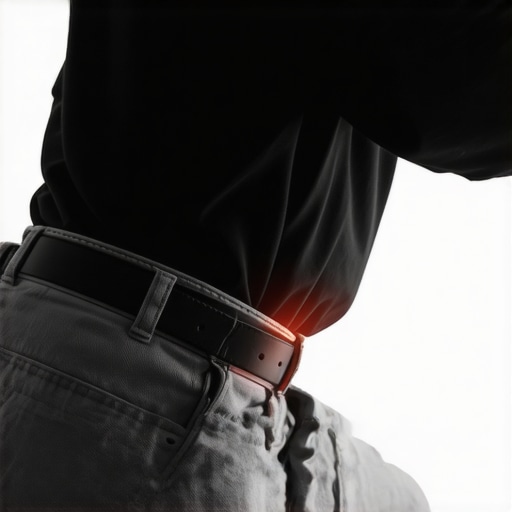
I remember the exact moment I realized my wallet was secretly sabotaging my hip health. One day, after yet another nagging ache in my side and a numbness that crept down my leg, I caught myself sitting awkwardly, wallet stashed in my back pocket. That small shift changed everything for me. Turns out, that bulky, constantly-overstuffed wallet was pressing against my sciatic nerve, fueling my chronic hip pain and nerve tingling. It was a lightbulb moment — something seemingly trivial was throwing my entire mobility off balance.
Many people brush off these little habits. They believe relief only comes from stretching or complex massages, but often, the root cause lies in something we carry every day. Today, I want to help you uncover if your wallet — yes, your wallet — might be the invisible culprit behind your ongoing hip and nerve troubles. We’ll explore how an everyday habit could be secretly wrecking your movement and what simple adjustments I’ve personally used to turn things around.
Why Your Wallet Might Be The Hidden Enemy of Your Hip Health
Could a Small Pocket Be Causing Big Problems?
It sounds unbelievable, but consistent sitting on a bulky wallet can cause misalignments in your pelvis and hips. The pressure from the wallet can tilt your pelvis slightly, leading to uneven stresses on your hip joints and the nerves that travel through them. Over time, this imbalance can manifest as persistent pain, numbness, or even sciatica. I made the mistake early on of dismissing my wallet as a minor annoyance, thinking I’d just get used to it. That was a rookie error. Small habits can have outsized effects — just like ignoring faulty posture or improper movement techniques.
Medical research backs this up — studies show that even subtle pelvic tilts can influence nerve pathways, causing discomfort and limiting mobility (source). Recognizing this connection was a game changer for me; once I committed to removing my bulky wallet and adjusting my sitting habits, my pain drastically reduced. Imagine that — a simple change, with the potential to free you from persistent pain.
Have you ever found yourself dealing with a nagging hip ache that worsens after sitting in your usual spot? If so, you might be surprised at how many of us are unknowingly slipping into habits that hurt us. What’s more, I’ll guide you through effective strategies to identify and correct these small but impactful issues, giving you relief and better mobility.
Are you ready to tackle this hidden culprit and reclaim your movement? Let’s move into the practical steps you can start today. For more tailored tips, check out these expert mobility strategies.
Identify Your Habitual Sitting Pattern
Start by observing how you sit throughout the day. Do you tend to cross one leg over the other or sit leaning to one side? I personally caught myself leaning to the right, which contributed to pelvic tilt. For a few days, consciously notice your posture and note any asymmetries. This awareness is the first step to making effective adjustments.
Remove the Obvious Culprit: Your Wallet
If you carry a bulky wallet in your back pocket, take it out and store it elsewhere — like your front pocket or bag. Think of it as removing a heavy object from your back to lighten the load. I recall one morning when I realized my wallet was pressing against my sciatic nerve; after switching to a front pocket, I immediately felt relief. Keep your wallet slim and only carry essentials.
Practice Pelvic Reset Exercises
The Pelvic Tilt Reset
Lie on your back with knees bent and feet flat on the floor. Gently flatten your lower back into the floor by tilting your pelvis upward. Hold for five seconds, then release. Repeat 10 times. Imagine straightening out a tilted foundation — it stabilizes your entire structure. I added this to my morning routine and noticed less hip tension by midweek.
The Seated Pelvic Stabilizer
Sit tall on a firm chair, feet flat on the ground. Place your hands on your hips and consciously tilt your pelvis forward and backward, finding a neutral position. Hold each position for a few seconds. This helps train your muscles to maintain proper alignment during daily activities. Regular practice made sitting feel more natural and reduced numbness in my leg.
Adjust Your Sitting Habits for Lasting Relief
Use an ergonomic cushion or lumbar support to maintain lumbar curve while sitting. Think of your pelvis as a hinge: keeping it in a neutral position prevents tilting that could stress your hips. Set reminders to stand up and stretch every 30 minutes — movement prevents stiffness and encourages proper posture. When I integrated these habits, hip pain episodes diminished significantly.
Incorporate Hip Mobility Exercises
After your work sessions, perform gentle hip circles and leg swings to mobilize joints and muscles. Picture your hips like hinges needing lubrication — moving them regularly keeps them agile. Follow these mobility strategies to deepen your routine.
Monitor and Reinforce Progress
Keep a journal of your habits and symptoms. If pain persists or worsens, consult a professional. Small, consistent tweaks — like adjusting your sitting posture and eliminating wallet bulk — compound over time, making a real difference in your movement. I found that sticking to these steps over a few weeks restored much of my natural hip function and eliminated nerve tingling.Many believe that quick fixes or isolated exercises are the keys to alleviating chronic back pain, but this mindset often misses a crucial nuance. The common myth is that posture corrections or adjustments are instant solutions, yet in my experience, many individuals overlook the deeper, interconnected patterns that sustain poor alignment. For instance, focusing solely on static posture without addressing habitual movement habits or muscle imbalances can lead to temporary relief at best, or even worsening symptoms over time. It’s essential to recognize that posture is dynamic, influenced by multiple factors including core stability, joint mobility, and daily activity patterns. According to research published in the Journal of Bodywork and Movement Therapies, sustainable improvement arises from an integrated approach that combines postural awareness, movement training, and neuro-muscular control.
Why Do These Adjustments Sometimes Fail in the Long Run?
One advanced mistake I see many make is neglecting the underlying habits that perpetuate poor posture. For example, slouching in a chair or habitual pelvic tilts can quickly undo corrective efforts. This is precisely why ongoing education and tailored movement routines are vital. A comprehensive strategy might include daily mobility work, such as those outlined in mobility strategies, combined with mindful adjustments and ergonomic modifications. Without this, adjustments often become superficial, and symptoms tend to return. Remember, consistent reinforcement and understanding the complex web of influences on your back health are what truly lead to lasting change. Have you ever fallen into this trap? Let me know in the comments.
Maintaining optimal back health requires not just understanding your habits but also using the right tools to support and reinforce positive changes. Over time, I’ve found that specific equipment and software can make a tangible difference in ensuring long-lasting mobility and posture improvements.
One of my top recommendations is investing in an ergonomic standing desk converter like the VariDesk. It allows you to switch between sitting and standing effortlessly, promoting spinal alignment throughout the day. What sets it apart for me is the seamless height adjustment mechanism, which minimizes strain when transitioning between positions. Incorporating a standing desk has helped me prevent the stiffness and discomfort that often come from prolonged sitting, aligning with strategies discussed in these mobility strategies.
To support proper movement patterns, I also recommend mobility tracking apps such as the MobilityWOD app. I personally use it to monitor and refine my daily routines, focusing on targeted exercises that enhance joint flexibility. The app’s detailed video tutorials and progress tracking help maintain consistency and focus on areas needing improvement—ultimately making corrective habits stick over time.
Another valuable tool is a high-quality foam roller, specifically the Rumble Roller. Its textured surface provides deeper myofascial release, which is crucial for alleviating muscle tightness that contributes to poor posture. I dedicate just five minutes daily to rolling out my hips, thoracic spine, and shoulders. This simple addition has reduced my back stiffness and improved my overall movement, reinforcing the importance of soft tissue health.
For strengthening, I swear by resistance bands like the TheraBand set. They’re versatile, durable, and allow me to perform targeted exercises that build core stability and correct imbalances. Regular use of resistance bands has visibly improved my posture and reduced nerve compression symptoms. Plus, they’re portable, making it easy to maintain consistency even during travel.
Looking ahead, I believe the integration of technology in posture management will grow, providing even more personalized and adaptive solutions. Wearable devices that monitor spinal alignment and provide real-time feedback are on the horizon, promising tailored interventions for sustained back health.
How do I maintain these tools over time?
Consistent maintenance is key. Regularly clean and inspect your equipment to ensure optimal function. For software apps, keep them updated to benefit from the latest features and improvements. As for physical tools like foam rollers and resistance bands, check for wear and tear, replacing them when necessary to prevent injury and maintain effectiveness. Establishing a routine that integrates these tools into your daily or weekly schedule builds momentum, making back health a sustained priority rather than a fleeting effort. I find that scheduling a short mobility session every morning with my foam roller and resistance bands keeps my posture aligned and my movement fluid. Try adopting a dedicated maintenance routine today, and watch your long-term results solidify.
Lessons That Changed My Approach to Back Health
The most eye-opening lesson I learned was that small daily habits, like carrying a bulky wallet, can profoundly impact my hip and back health. Realizing that pelvic tilts caused by everyday objects can lead to nerve compression was a game changer — it taught me to scrutinize what I overlook daily. I also discovered that patience and consistency trump quick fixes; integration of mindful movements and ergonomics gradually restored my mobility. And perhaps most importantly, I learned to listen to my body’s signals—an essential step that I now encourage others to embrace wholeheartedly.
My Go-To Tools for Lasting Relief
Over time, I found that investing in specific equipment elevates your mobility journey. An ergonomic standing desk converter, like the VariDesk, enables effortless transitions between sitting and standing, preventing stiffness and misalignment. Mobility tracking apps such as MobilityWOD keep me accountable and give tailored exercises that fit my evolving needs. The Rumble Roller, with its textured surface, enhances myofascial release, helping maintain soft tissue health. Resistance bands like TheraBand are versatile allies, aiding in strengthening and correcting imbalances. I trust these tools because they empower me to maintain consistent, effective routines that lead to permanent improvements.
It’s Time to Rewrite Your Back Story
Your journey toward pain-free movement begins with awareness and action. Remember, seemingly minor adjustments—like ditching that overstuffed wallet or scheduling short mobility breaks—can transform your health over time. Embrace the process, and don’t hesitate to seek guidance when needed. Your body is resilient and capable of healing when given the right attention and tools. Start today, and watch how small, deliberate steps lead to a future of greater mobility and comfort.
Have you ever noticed how a simple habit, like how you sit or what you carry in your pocket, might be affecting your hip health? Share your experiences below — I love hearing how others are taking charge of their movement.