
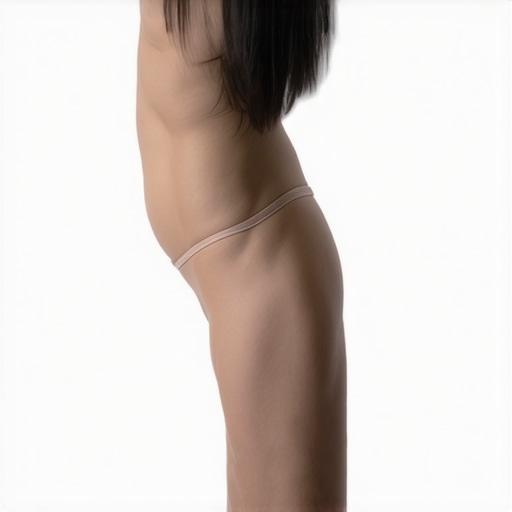
Have you ever caught yourself unconsciously shifting your weight onto one leg while standing or waiting, only to feel that dull ache or discomfort creep in later? I used to dismiss it as just tiredness or a habit—until I realized that this seemingly minor habit was quietly wreaking havoc on my pelvic alignment. It was a lightbulb moment that changed the way I approach everyday posture. Now, I want to share with you how a simple, often-overlooked stance could be causing ongoing back pain and what you can do about it.
Why Your Favorite Standing Habit Might Be Sabotaging Your Pelvic Health
It’s easy to overlook the way we stand throughout the day. Maybe you’re one of those people who naturally shifts onto one leg when waiting in line or chatting with a friend. I did the same. At first glance, it seems harmless—maybe even stylish. But over time, this habitual tilt can disrupt your pelvic balance, pulling your hips out of alignment and putting stress on your lower back. The problem is not just aesthetic; it’s functional. Poor pelvic alignment can lead to chronic discomfort, reduced mobility, and even prolonged recovery from injury. Research shows that asymmetrical standing patterns can significantly impact pelvic health and spinal stability, often without obvious pain until damage has already occurred (source: ChiroMasteryz). So, how do we identify if we’re doing this, and what steps can we take to correct it?
Is Your Favorite One-Leg Stance Actually Doing More Harm Than Good?
Early on, I made the mistake of thinking that shifting my weight onto one leg was just an occasional habit. Turns out, it became my default stance, especially when I was engrossed in a conversation or stood around for long periods. Little did I know, I was subtly tilting my pelvis, causing misalignments that might have contributed to my persistent lower back discomfort. Recognizing this pattern was crucial. If you’ve noticed a tendency to favor one side, or if your hips feel uneven or you experience localized pain, it could be time to reconsider your stance. Simple adjustments, combined with targeted mobility exercises, can make a big difference. For a more comprehensive approach, I recommend exploring [daily adjustments to alleviate back pain](https://chiromasteryz.com/daily-adjustments-to-alleviate-back-pain-and-improve-posture) and [mobility exercises for better movement](https://chiromasteryz.com/mobility-mastery-simple-exercises-to-relieve-chronic-back-pain). Understanding the root of such habits and addressing them early can save you months or even years of discomfort. Now, let’s look at practical strategies to correct this sneaky posture trap and restore your pelvic harmony.
Engage in Daily Posture Checks
Start by developing an awareness of how you stand during regular activities. Set reminders to periodically check if you’re favoring one leg over the other, especially when waiting or chatting. Remember, it’s like balancing a pole—you need to keep it even to prevent it from tipping. I found that simply pausing for a few seconds every hour helped me recognize and correct my habitual tilt, which over time alleviated my lower back discomfort.
Implement Micro-Adjustments Throughout Your Day
Break down your standing posture into actionable steps. Every time you notice leaning onto one leg, consciously shift your weight back to a neutral position with both feet firmly grounded at shoulder width. Think of your pelvis as a compass needle—aim for it to stay level. A quick trick is to imagine pressing your heels and the balls of your feet evenly into the ground. Doing this consistently trains your muscles to maintain proper alignment, reducing asymmetrical strain.
Strengthen Your Core and Hip Stability
Weak core muscles can make it challenging to hold proper posture, causing your body to default to habits like leaning. Incorporate exercises such as planks, side-lying hip lifts, or bird-dogs into your routine. In my experience, dedicating just 10 minutes daily to core stability made a noticeable difference in controlling my pelvic tilt. These exercises act like the scaffolding supporting your pelvis, preventing it from tilting or shifting over time.
Use Targeted Mobility Techniques
Limited hip flexibility can contribute to favoring one side when standing. Regularly performing mobility exercises helps loosen tight muscles and joint restrictions. A simple routine includes leg swings, hip circles, and the seated butterfly stretch. For instance, incorporating [mobility mastery exercises](https://chiromasteryz.com/mobility-mastery-simple-exercises-to-relieve-chronic-back-pain) into my morning routine significantly improved my hip movement, allowing me to stand more evenly without discomfort.
Adjust Your Routine for Long-Term Results
Consistent tiny adjustments keep your pelvis aligned over time. Set a schedule to check your posture upon waking, during breaks, and before bed. Additionally, consider ergonomic modifications—like adjusting your standing desk height—so that your hips are in a natural, comfortable position. Small acts like stretching your hips and lumbar spine after prolonged standing sessions can prevent micro-deviations in alignment from becoming chronic issues. For detailed routine ideas, visit daily spinal adjustments.
Monitor Your Progress with Self-Checks
Stand against a mirror or ask a friend to observe your stance. Look for signs of uneven hips, pelvis tilts, or shoulders that are not level. Over time, these visual cues help reinforce your awareness and motivate consistent correction. Remember, aligning your pelvis is like tuning a musical instrument; small tweaks can restore harmony and reduce strain. By integrating these techniques into your daily habits, you’ll gradually program your muscles and joints for optimal posture, leading to a pain-free back and better overall function.
 Many assume that simply maintaining a straight back or sitting upright is the key to preventing back pain, but this oversimplification can lead to overlooked issues. In truth, posture is a dynamic, complex interplay of muscle activation, joint mobility, and habitual patterns. One common misconception is that all slouching or rounding is equally harmful; however, evidence suggests that not all postural deviations have the same impact, and some people can have chronic pain despite seemingly ‘acceptable’ postures. This raises the question: are we focusing on the wrong cues? According to a study published in the *Journal of Physical Therapy*, overemphasis on static posture corrections without considering movement variability and muscle control may actually perpetuate discomfort rather than resolve it.
In my experience working with clients, I’ve seen many fall into the trap of chasing perfect posture—buying into the myth that an unchanging, ideal position is sustainable or even healthy. The reality is that joints and muscles thrive on variability; rigid adherence to a single stance can stiffen tissues and impair circulation. An advanced mistake I often observe is the reliance on posture adjustment devices or braces as a quick fix. While these tools can offer immediate relief, overuse can weaken endogenous muscular support, leading to dependency and a false sense of security. Instead, fostering active control through targeted mobility and strengthening exercises is more effective.
What about the misconception that mobility exercises are only for athletes or those with specific injuries? This couldn’t be further from the truth. Improving joint mobility enhances neural feedback and muscular coordination, reducing the risk of injury and chronic pain. For example, incorporating simple routines like hip circles or thoracic rotations, which you can explore in detail [here](https://chiromasteryz.com/enhance-your-mobility-expert-tips-for-easier-movement-in-2025), helps maintain tissue resilience. Remember, acknowledging and addressing these subtle nuances can be the difference between temporary relief and long-term health.
Do You Know How Micro-Adjustments Influence Your Entire Posture System?
Making small, conscious corrections throughout your day—like engaging your core even during routine tasks—can have compounding benefits. These micro-movements reinforce muscle activation patterns and prevent maladaptive habits from taking hold. The key is consistency; the more you practice, the less reliance you have on external supports. Additionally, awareness of your habitual patterns, such as favoring one side when standing, allows you to intervene before misalignments become ingrained. To deepen your understanding of effective strategies, I recommend reviewing [daily spinal adjustments](https://chiromasteryz.com/adjust-your-routine-daily-spinal-alignments-for-lasting-relief) and [mobility mastery techniques](https://chiromasteryz.com/mobility-mastery-simple-exercises-to-relieve-chronic-back-pain).
So, next time you think about posture corrections, remember that nuanced understanding beats simplified myths. By tuning into your body’s subtleties and embracing movement diversity, you can avoid common pitfalls and foster true resilience. Have you ever fallen into this trap? Let me know in the comments.Maintaining good posture and back health over the long term requires more than just awareness; it demands effective tools and consistent routines. One of my favorite instruments is a high-quality foam roller, specifically the dense, firm variants that help release fascia and tight muscles in the thoracic and lumbar regions. For instance, I recommend the mid-back foam roller because it addresses common inflammation caused by improper rolling techniques. By incorporating daily foam rolling sessions into my routine, I notice decreased muscular tension and an improved ability to maintain proper alignment during the day.
Another invaluable tool is a mirror or video recording setup. Visual feedback is crucial for self-correcting habits, especially if you tend to unconsciously favor one side or adopt poor standing patterns. I personally use a full-length mirror in my workspace to perform quick posture checks throughout the day, which helps reinforce proper mechanics and prevent micro-deviations that could lead to chronic issues.
On the software side, I advocate for apps that prompt scheduled movement and posture breaks. Programs like daily adjustment reminders ensure you’re not neglecting important micro-movements that keep joints lubricated and muscles engaged correctly. These digital tools are particularly effective because they integrate seamlessly into busy routines and serve as gentle accountability partners.
Looking forward, I believe the trend will increasingly favor integrative solutions—wearables that monitor postural angles in real-time and automatically suggest micro-corrections. This data-driven approach will enable personalized adjustments that adapt to your lifestyle, reinforcing healthy habits effortlessly.
How do I keep my posture tools effective over time? It’s essential to regularly evaluate and update your toolkit. For example, replacing foam rollers every 12-18 months ensures optimal firmness and hygiene. Additionally, revisiting your routines with professional guidance—such as periodic consultations or targeted mobility assessments—can help identify new restrictions and prevent plateaus.
An often-overlooked aspect is how external support devices, like braces or lumbar supports, should be used sparingly. According to a posture correction expert, reliance on external aids can weaken your natural muscular support if overused. Instead, focus on strengthening exercises that develop intrinsic stability, like plank variations or targeted resistance training.
If you’re serious about long-term back health, I encourage you to try integrating a mobility mastery routine with a focus on controlled movements and stability. For instance, start incorporating simple mobility exercises into your mornings to boost joint health and muscular coordination. Consistency is key—commit to a daily 10-minute session, and over time, you’ll notice significant improvements in your posture and ease of movement. Don’t underestimate the power of a well-chosen tool paired with disciplined practice; it can make the difference between temporary relief and sustainable back health.
Lessons That Changed My Approach to Posture and Back Pain
One of the most eye-opening lessons I learned was that chasing perfect, static posture can sometimes do more harm than good. It was a tough realization that rigidity and constant tension actually weaken your body’s natural support, making you more prone to discomfort. Additionally, I discovered that over-reliance on external devices like braces or foam rollers—without active engagement from your muscles—can lead to dependency and reduced resilience. Lastly, understanding that movement variability and muscle control are crucial made me realize that life’s dynamism is actually your best ally in maintaining long-term back health.
Tools and Resources That Make the Difference
My go-to toolkit includes a high-quality foam roller, especially designed for fascia release—this simple device has helped me reduce muscular tension and promote better alignment. I also trust visual feedback tools, like a full-length mirror, to self-monitor habits and catch micro-deviations early. For guidance on daily routines, I turn to apps that prompt scheduled posture checks and micro-movements, such as those found in effective posture tips for 2025. Finally, I regularly revisit expert-led routines on mobility mastery, which continuously refine my movement patterns and keep my back resilient.
Embrace the Movement Revolution
Your journey toward better back health is unique, and change starts with a single step. Incorporate mindful micro-adjustments throughout your day, strengthen your core, and explore mobility techniques tailored to your lifestyle. Remember, your body thrives on varied movement and active control, not static perfection. Every effort you make reinforces your resilience and leads to a more comfortable, pain-free life. Are you ready to take that first conscious step today? Share your experience or questions below—let’s build a supportive community on the path to better posture and back health!