
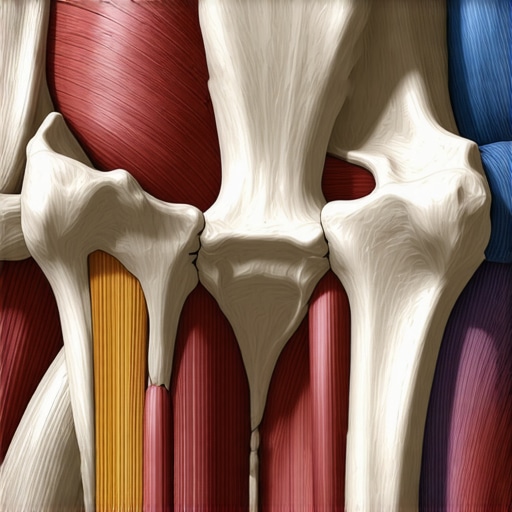
Have you ever felt that sudden, sharp twinge in your hip after a long day of sitting or a tough workout, only to wonder later if it’s just muscle tightness or something more serious? I remember the frustration of trying to stretch away a mysterious hip ache, only to feel it linger—sometimes getting worse instead of better. It was a frustrating cycle, and for a while, I didn’t know what to trust. Sound familiar?
Why Knowing the Root Cause Matters More Than You Think
The truth is, understanding whether your hip stiffness stems from muscles or bones isn’t just academic—it’s essential for choosing the right treatment. Misdiagnosing can lead to wasting time with ineffective stretches or, worse, aggravating the problem. Early on, I made the mistake of assuming all hip pain was muscular, which prolonged my discomfort and delayed proper healing. Once I realized the significance of differentiating between bone and muscle causes, I started finding real relief. Interestingly, recent studies show that misidentifying joint issues can lead to persistent pain and even increase the risk of further injury (source). So, if you’ve been puzzled by your hip pain, you’re not alone—and there is a way to decode it.
Start with Gentle Movement and Awareness
My first experience applying this was during a morning routine; I gently moved into hip circles, paying close attention to areas of tension and discomfort. This simple act of mindful movement helps establish a baseline of your current mobility and highlights which areas need more focus. Think of it like tuning an instrument before a performance—your hips require awareness before effective adjustments.
Incorporate Targeted Stretching Techniques
Next, I focused on specific stretches that lengthen tight muscles contributing to hip stiffness. The hip flexor stretch and pigeon pose can be game-changers. I labeled these as ‘muscle freeing tools’—think of them as releasing a trapped spring, allowing freer movement. Remember, hold stretches comfortably—never force them—and breathe deeply to enhance relaxation.
Utilize Self-Myofascial Release
To address stubborn tightness, I used a foam roller on my thigh and glutes, targeting connective tissue that binds muscles. Imagine tissue as a thick fabric that can become stiff and knotted; rolling it out is like untying a knot—restoring smoothness. When I initially tried this, it hurt more than I expected, but I persisted with light pressure and plenty of hydration, which softened the tissue gradually.
Practice Posture Adjustments Throughout the Day
Regular checks on your posture are crucial. I set reminders to sit with my hips aligned and avoid crossing my legs, which can distort hip joint mechanics. Think of your hips as the foundation of a building—if the base is uneven, the entire structure suffers. Small, consistent adjustments, like adjusting your chair height or switching positions, can prevent tightness from worsening. For quick fixes, consider consulting specialists who can guide personalized alignment tweaks.
Enhance Mobility with Functional Movements
Functional exercises mimicking real-life motions, such as controlled lunges and hip hinges, helped me rebuild strength and flexibility. Imagine these as practicing the same dance moves you’ll use daily—smooth and confident. Initially, I kept movements slow and controlled, focusing on quality over quantity, which minimized strain while maximizing benefit.
Commit to Daily Habits that Support Hip Health
Implementing small routines, like morning hip resets or evening stretches, created lasting change. For example, I started doing a quick hip mobility drill as part of my daily warming-up. Over weeks, these habits increased my range of motion and decreased discomfort. Think of it as watering a plant—you need to nurture regularly to see growth.
Pay Attention to How Your Body Responds
Finally, I learned to listen carefully to what my body was telling me—if a movement caused pain, I adjusted or paused. This mindful approach prevents aggravation and guides you toward what works best for your unique anatomy. Remember, progress may be slow, but consistency is key. For personalized guidance, consider reaching out at this contact page to connect with mobility experts.
Many people believe that poor posture is the primary cause of chronic back pain, but let’s challenge that misconception. While slouching and misalignment can contribute, recent research indicates that the complexities of our spinal health run much deeper. For instance, obsessively correcting posture with braces or gadgets might offer temporary relief, but it often leads to reliance rather than genuine improvement (see here). An advanced nuance many overlook is the body’s interconnectedness—how tension in the hips or neck can cascade, causing back issues that don’t respond solely to posture adjustments.
One trap I want you to avoid is the overemphasis on ‘perfect’ posture as the silver bullet. Instead, focus on dynamic movement and flexibility, which allows your body to adapt and rebalance naturally. Also, beware of quick fixes like excessive stretching or foam rolling without understanding the underlying cause—they can sometimes exacerbate issues. A good example is stretching a tight hip flexor without addressing whether the root is in your lumbar spine; you might temporarily loosen the muscle but leave the real problem unaddressed (more on mobility here).
Have you ever fallen into this trap? Let me know in the comments.
### Why might your back pain persist even with good posture?
Many assume that strict adherence to ideal posture eliminates pain, but this oversimplifies a complex system. The true key lies in understanding how tissue health, joint mobility, and muscular balance work together. For example, stagnant habits like sitting for prolonged periods can cause tissue stiffening and joint restriction, which no amount of posture correction alone can fix. Instead, integrating targeted mobility exercises and mindful movement routines can rebuild resilience. Consider exploring trusted postural tips that go beyond static alignment.
The danger is that focusing solely on static posture neglects the importance of dynamic control, leading to a cycle where pain persists despite corrective efforts. Advanced practitioners also recognize that subtle misalignments in other areas—like the hips, knees, or even ankles—can have a profound impact on spinal health. Addressing these requires a holistic approach, including regular movement checks and personalized advice from professional experts, which you can find through connected specialists.
Keeping It Working: Essential Tools for Long-Term Back Wellness
Maintaining your back health isn’t a one-time effort; it requires consistent support with the right tools and techniques. Over the years, I’ve curated specific equipment and methods that have made a tangible difference in my mobility and posture. These aren’t generic picks — I use each personally because they target key areas like tissue flexibility, joint mobility, and alignment. For example, a high-quality foam roller like the TriggerPoint GRID Foam Roller has been invaluable for me to release my fascia and prevent knots that lead to discomfort. Unlike cheaper options, this model offers durability and a variety of textures to suit different muscle groups.
Similarly, I swear by lacrosse balls for pinpointing tension in tight spots like the hips or shoulders. Using them in targeted myofascial release exercises—especially on trigger points—helps maintain tissue elasticity. An often-overlooked tool is a wobble cushion; I stand on it during work to engage core muscles and improve pelvic alignment, which is crucial for fulfilling long-term back health.
My routine also incorporates software like mobility tracking apps. These help me monitor my progress, set reminders for daily movements, and analyze mobility trends over time. As research indicates, integrating technology-based feedback can accelerate improvements and reinforce healthy habits (source).
Future Trends in Back Care Equipment
Looking ahead, I believe the trend points toward smarter, AI-driven devices that personalize mobility routines based on real-time data. Wearable sensors, for example, could offer instant feedback on posture and movement patterns, helping you correct misalignments before they develop into chronic issues. Integrating such tech seamlessly into daily life might become standard, allowing for proactive maintenance rather than reactive treatment.
How do I keep my posture and mobility routines effective over time?
The key lies in consistency and adaptability. Regularly updating your tools and techniques—like switching from foam rolling to percussion massage devices such as the Theragun—can keep your tissues responsive. Also, periodically revisiting expert-guided assessments ensures that your routines evolve with your body’s changing needs. For personalized advice, I recommend reaching out to professionals who can tailor interventions—visit this page for connection opportunities.
To really cement long-term improvements, I challenge you to incorporate one of these tools into your daily routine, perhaps starting with the foam roller. Commit to a consistent session each morning; over time, you’ll notice increased mobility, reduced tension, and a stronger, more resilient back. This tiny upgrade is a game-changer—give it a try today!
What I Wish I Knew When I First Faced Hip and Back Struggles
The biggest lesson was realizing that not all pain is created equal. I used to think stretching more would always help, but sometimes, I was freeing muscles only to aggravate underlying joint issues. That insight saved me weeks, even months, of unnecessary discomfort.
Another lightbulb moment was understanding the interconnectedness of your body’s chains. Fixing my hips without addressing my core stability or spinal alignment was like patching one leak while another worsened. The real progress came when I focused on holistic movement instead of isolated stretches.
Lastly, I learned that patience and consistency trumps quick fixes. Daily habits, no matter how small, compound over time. Small adjustments—like mindful posture checks and targeted mobility drills—can redefine your ability to move freely and painlessly.
Tools and Resources That Changed My Approach to Mobility
I’ve come to trust the posture correction secrets for foundational alignment, which serve as the bedrock of pain-free movement. For my fascia, the foam roller became an invaluable tool—softening tight tissues and preventing knots that halt progress.
The mobility tracking app helps me stay mindful of patterns, ensuring I don’t slip into old habits. And for addressing stubborn discomfort, the ergonomic adjustments I learned from professionals have been game-changers for my daily routine.
These tools combined built a resilient framework, empowering me to take control of my body’s health and longevity. Remember, integrating expert insights seamlessly into your routine takes persistence and trust in the process.
Embrace Your Journey—Your Body Knows the Way
The path to better mobility and pain relief is uniquely yours, filled with trial, error, and discovery. Every small step you take—be it a stretch, a posture tweak, or a mindful movement—compounds into lasting change. Trust in your body’s ability to adapt and heal, and remember that seeking guidance through trusted resources can accelerate your progress.
So, what’s one new movement or habit you’re willing to commit to this week to improve your back or hip health? Share your thoughts below and start the momentum today!