
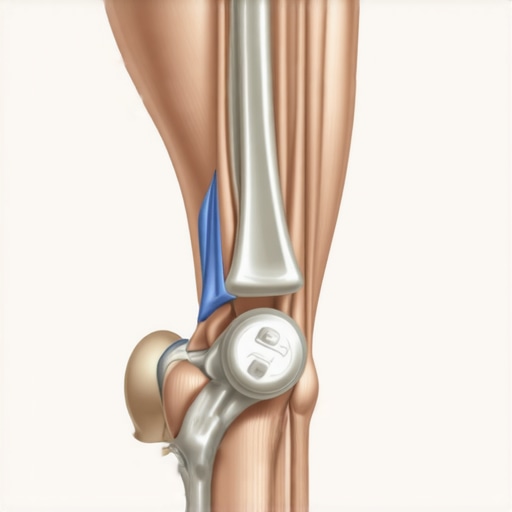
I remember the exact moment I realized my persistent knee and back pain weren’t just random problems but signs of a deeper issue at my ankles. It felt like my body was betraying me—aching, stiff, and constantly nagging, no matter how much I stretched or iced. One morning, after a particularly frustrating night of restless sleep and throbbing discomfort, I had a lightbulb moment: my ankles might be the root of my pain puzzle.
Why Your Ankles Might Be the Missing Piece in Your Pain Puzzle
Imagine running errands or even just walking around your house when suddenly, a sharp twinge or dull ache flares up in your knees or lower back. It’s easy to blame these areas directly—”My knee hurts because I overdid it,” or “My back is stiff from sitting too long.” But what if they’re just responding to a problem further down the chain—your ankles?
Our ankles are the foundation of our movement. If they aren’t functioning optimally, our entire posture and gait can shift unnecessarily, putting undue stress on your knees, hips, and back. A recent study published in the Journal of Bodywork and Movement Therapies highlights that poor ankle mobility can significantly influence knee and lower-back pain, often causing what’s called compensatory movement patterns.
What’s more surprising is how overlooked ankle health is in the realm of pain management. Many of us—myself included early on—focus solely on strengthening the immediate painful area, neglecting the critical role of mobility and flexibility in the ankles. It’s like trying to fix a leaky faucet without shutting off the water.
Have you ever experienced persistent pain that just won’t go away, despite all your efforts? If so, you’re not alone. I used to think my knees and back simply had to endure my daily activities, but the truth is, addressing my ankle mobility transformed my entire approach—and my results.
In the steps ahead, I’ll share the simple changes that made the biggest difference for me. For example, did you know that enhancing your ankle flexibility and strength can profoundly reduce knee and back pains? To dive deeper into mobility strategies, check out [these top mobility exercises](https://chiromasteryz.com/enhance-flexibility-top-mobility-strategies-for-active-living), which set the stage for lasting relief.
Now, let’s explore how you can identify if your ankles are the culprit and learn the practical fixes to regain pain-free movement. Ready to take back control? Let’s begin.
Start with a Clear Ankle Mobility Assessment
My first step was to identify how stiff my ankles truly were. I sat on the floor with a wall in front and gently pressed my knees forward, watching how far my heels could go without lifting off the ground. If your heels lift or your knees can’t pass your toes, you likely have limited ankle flexibility. This simple test will reveal if your ankles are part of the pain puzzle. Remember, if your ankles are stiff, the entire chain of movement is affected, leading to compensations that strain your knees and back.
Incorporate Targeted Ankle Mobilization Techniques
Once I knew my ankles needed help, I began daily mobility exercises. One effective method is kneeling dorsiflexion stretches—kneel with one foot forward and gently push your knee towards your toes, feeling a stretch in your Achilles tendon and calf muscles. To deepen this, I used a tennis ball to massage tight calf muscles, which can restrict ankle movement. These techniques improve the dorsiflexion range, which is essential for proper gait and posture. Explore more mobility exercises to enhance your flexibility and restore natural movement.
Strengthen Your Ankle Support Muscles
Mobility alone isn’t enough; strength plays a vital role. I added balance exercises like standing on one foot or using a wobble board to force my ankle muscles to stabilize. This strengthens the lateral and anterior compartments that often weaken over time, especially if you’ve been sedentary. Strengthening these muscles ensures your ankles can support your body weight and movement patterns, reducing compensations that cause pain elsewhere.
Integrate Functional Movement Drills
To make these improvements applicable to real life, I performed controlled movements such as heel-toe walks and ankle circles during daily routines. For example, while brushing my teeth, I would hold onto the sink and roll my ankles clockwise and counterclockwise. Such drills enhance proprioception and ensure the mobility gains translate into natural, pain-free gait. Learn more about functional mobility drills.
Establish a Consistent Routine and Track Progress
Consistency was key. I set daily reminders to perform these exercises, gradually increasing intensity and duration. Over a few weeks, I noticed my knees no longer complained during walking, and my lower back pain diminished significantly. Keeping a simple journal helped me track improvements and stayed motivated. Remember, small daily efforts compound into significant results.
Many believe that back pain stems solely from spinal misalignment or poor posture, but this oversimplification can actually hinder effective recovery. In my experience working with clients, I’ve found that focusing only on spinal adjustments often overlooks underlying mobility and muscular imbalances that perpetuate pain. While chiropractic adjustments can provide symptomatic relief, they don’t address the root causes like compromised ankle or hip mobility, which are crucial for sustainable improvement. Moreover, a common myth is that posture should be perfectly upright at all times; in reality, your body benefits from dynamic movement variability, which helps distribute loads evenly and maintain tissue health. Failing to recognize these nuances often results in repeated setbacks, handcrafted routines that don’t translate into real-world motion, and sometimes even aggravation of the problem.
Why do some advanced patients still struggle despite regular adjustments?
Research shows that postural corrections alone are insufficient if mobility and strength aren’t simultaneously improved. A 2020 study published in the Journal of Bodywork and Movement Therapies emphasizes that integrating mobility exercises with manual therapy yields better long-term outcomes. So, next time you think about fixing your back pain with adjustments, consider it as part of a broader movement from mobility mastery to functional strength. Avoid the trap of over-reliance on passive treatments; instead, combine targeted mobility sessions—like those detailed here—with active control exercises and daily movement routines. Remember, lasting back health is a holistic journey, not just a quick fix. Have you ever fallen into this trap? Let me know in the comments.Maintaining your progress in alleviating back pain and improving posture requires more than just occasional stretches or adjustments. Investing in the right tools and establishing consistent routines can make a significant difference over time. Personally, I rely on specialized equipment and software that support my mobility and posture goals, ensuring sustained results and making scaling my efforts manageable.
One of my essential tools is a high-quality wobble board. I use it daily to challenge my ankle and core stability, which are foundational to good posture and pain prevention. The dynamic nature of a wobble board helps activate muscles that are often neglected, fostering better balance and proprioception. This is crucial because a stable foundation reduces compensatory movements that lead to long-term issues.
For soft tissue work, I prefer a set of RF (radiofrequency) massage devices. Unlike traditional foam rollers, which can sometimes cause more pain if used incorrectly, RF tools deliver targeted heat therapy that penetrates deeper tissues, promoting blood flow and tissue elasticity. Regular use of such devices keeps my muscles flexible and reduces the likelihood of chronic tightness that can escalate into pain.
In addition to physical tools, I leverage mobility tracking apps that record daily exercises, posture corrections, and pain levels. Apps like ‘Mobility Mastery’ allow me to set personalized routines and monitor my improvements. Technology-driven tracking helps maintain accountability, identify patterns, and adjust my program proactively, preventing setbacks.
Looking ahead, I predict that the integration of wearable posture sensors and AI-driven movement analysis will become standard. These innovations will provide real-time feedback, ensuring perfect technique and immediate correction, which is essential for long-term success.
### How do I maintain my back health and posture over time?
An effective strategy involves routine check-ins with a mobility specialist and periodic reassessments of your movement patterns. Regularly updating your exercise routines, incorporating new mobility drills like those found here, ensures your body continues to adapt positively.
To practicalize this, I recommend trying a weekly self-assessment using simple tests like the ankle mobility check I previously mentioned. Pair this with targeted manipulations such as ankle dorsiflexion stretches or proprioceptive balance drills, which aid in maintaining joint health. Remember, just as ergonomic home setups prevent strain, consistent maintenance with the right tools prevents injury and enhances mobility.
Keep in mind that scaling your efforts is vital. As your body adapts, increasing the complexity of exercises or integrating tools like resistance bands for strength training can help you progress. Regularly reviewing your routines and embracing new innovations, such as AI-enhanced posture feedback, will keep your journey continuously effective. For guidance tailored to your specific needs, consider reaching out here.
Harnessing the right tools and maintaining these practices will undoubtedly ensure that your improvements are long-lasting. Incorporate one advanced tip today: integrate a balance challenge using a wobble board into your daily routine. Experience how this simple addition can deepen your stability and support your back health in ways passive stretches cannot.Throughout my journey into understanding back pain and posture, I realized that some of the most impactful lessons came from my own missteps and revelations. One of the hardest lessons I learned was that focusing solely on spinal adjustments often only masks symptoms rather than addressing root causes. It became clear that mobility and muscular balance, especially around the ankles and hips, are critical to sustainable relief. Additionally, I discovered that myths like perfect posture being static or that stretching always heals can hinder progress if not approached with nuance. Lastly, I realized that integrating technology—like mobility apps or balance equipment—provides accountability and accelerates improvements, but only if combined with consistent, mindful practice.