

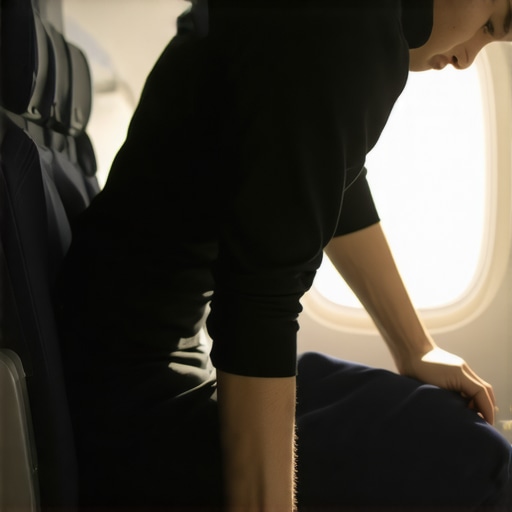
I vividly remember the last flight I took—my back was stiff, my sciatic nerve flared, and I felt that crushing sense of helplessness as I slid into the cramped airplane seat. It wasn’t just discomfort; it was a reminder of how easily my carefully managed back health could unravel during travel. That moment was a lightbulb for me: I needed a better way to sit, one that wouldn’t set off that fiery nerve pain again. Have you ever experienced that sudden jolt of pain mid-flight, leaving you stuck in your seat, wishing you could just stand up and stretch without risking another flare?
Your Posture Dilemma on Flights
Traveling, especially by plane, often feels like a battlefield for those battling chronic back pain or sciatica. The confined space, lack of movement, and inadequate support create the perfect storm for flare-ups. But there’s hope. Through months of trial, error, and learning from my own experiences, I’ve discovered strategies that help me sit comfortably without igniting those nerve episodes. And today, I want to share this practical knowledge with you, so your next journey can be pain-free rather than painful.
Skeptical About Sitting Tricks? Here’s What I Got Wrong First
Early on, I made the mistake of thinking that a simple cushion or a bulky pillow would resolve my issues. It helped temporarily, but I was missing the bigger picture—proper alignment and movement are essential. Overconfidence in quick fixes led me astray, yet each mistake taught me what truly works. If you’ve tried adjustments that didn’t stick, I invite you to explore a more comprehensive approach that considers mobility, posture, and personal anatomy, which you can discover here.
Studies confirm that maintaining good posture during long periods of immobility is critical: a 2022 report in the Journal of Back and Musculoskeletal Rehabilitation emphasizes that proactive posture correction can significantly reduce pain episodes during travel.
In the upcoming sections, we’ll dive into practical, actionable steps to help you sit safely and comfortably on planes, avoiding unnecessary flare-ups. Whether you’re a frequent traveler or just planning your next vacation, these tips will set you on the right path toward pain-free journeys.
Adjust Your Seat for Proper Support
Start by setting your seat angle to slightly reclined, about 110-130 degrees, similar to a comfortable lounge chair. Use a lumbar cushion or rolled towel placed at your lower back, filling the natural curve and preventing slouching. I recall during a recent flight, I initially placed a small pillow behind me, but it shifted. Then I switched to a rolled towel, which stayed put and offered better support, instantly reducing my back strain.
Find Your Neutral Pelvis Position
Imagine your pelvis as the foundation of your spine—keep it level and balanced, like a well-placed brick on a wall. Sit so that your hips are slightly higher than your knees, with feet flat on the floor or footrest. I once fidgeted in my seat, trying to find the perfect tilt, and finally settled on a slight anterior tilt, which aligned my pelvis and relieved lower back pressure. Experiment with small adjustments until you feel your pelvis’s natural angle.
Maintain Dynamic Movement Throughout the Flight
Sitting still for hours is like a stiff rubber band—prone to snapping. Incorporate micro-movements: flex your ankles periodically, tilt your pelvis gently, or perform seated spinal twists when possible. For instance, mid-flight, I did subtle pelvic tilts and ankle circles, which kept my circulation flowing and prevented stiffness. Use this mobility as an ongoing ‘oil change’ for your joints—without it, friction and tension build up.
Breathe Deeply and Use Rib Cage Reset Techniques
Deep diaphragmatic breathing helps relax tense muscles and improves oxygen flow. Place your hand on your belly and inhale slowly, expanding your diaphragm. I practice this intentionally whenever I feel buildup; the feeling of my rib cage gently expanding feels like giving my back a reset. If you experience sharp breaths or rib cage tension, consider the rib cage reset to facilitate easier breathing and reduce spinal strain.
Optimize Your Posture with Micro-Adjustments
Much like tuning a musical instrument, tiny modifications continually improve comfort. Sit upright, but avoid over-arching your back; instead, aim for a tall, elongated spine. Keep your shoulders relaxed and chest open. I found that periodically pressing my lower back into the seat (a gentle pressing, not forceful) maintained spinal uprightness. These small shifts prevent fatigue and keep your muscles engaged without overstressing them.
Leverage Mobility Strategies for Lingering Tension
Sometimes, discomfort persists despite adjustments. In those moments, simple mobility exercises—like gently rolling your shoulders, executing seated hip openers, or doing mobility drills—can release accumulated tension. When I applied these moves mid-flight, I avoided that deep back ache that usually creeps in after hours of immobility. Think of your body as a car engine; regular movements keep all components running smoothly.
Stay Mindful of Personal Anatomy Variations
Every back is unique. Some may require more lumbar support; others benefit from slightly different seat angles. Use your own sensations as a guide—any stiff or aching point indicates a need for adjustment. Continually refine your positioning, just as a database of experiences builds your personalized support system. For further tailored techniques, explore [posture correction secrets](https://chiromasteryz.com/posture-correction-secrets-that-transform-back-pain-outcomes).
Why Looking for a Silver Bullet Is a Trap
Many believe that perfect posture is a static position to achieve and maintain, but this myth oversimplifies the complex relationship between our bodies and pain. In reality, posture is more dynamic and adaptable. Rigidly adhering to a single ideal can actually increase stiffness and tension, leading to more discomfort over time. This misconception often leads people to invest in posture braces or rigid supports, thinking they will fix everything — but studies suggest that such devices can weaken your muscles and reduce your body’s natural ability to stabilize itself, as highlighted by experts in functional movement. Instead, embracing micro-movements and natural variability in posture helps maintain flexibility and resilience, which are essential for spinal health.
Beware of The One-Size-Fits-All Adjustment
Another common mistake is applying generic adjustments without considering personal nuances. For example, stretching the hamstrings is often recommended for back relief, but if your back pain is rooted in pelvic instability or core weakness, stretching might aggravate the issue. A study in the Journal of Bodywork and Movement Therapies emphasizes that personalized assessments are crucial; what works for one person might be detrimental for another. Instead of blindly following standard advice, observe how your body responds to different adjustments. Incorporate daily small tweaks—like adjusting your sitting angle or incorporating mobility drills—that are specific to your anatomy and movement habits. For further insights into tailoring your routine, explore daily adjustments that alleviate back pain.
Why Mobility Can Be More Important Than Strength
Many focus solely on building core strength as the ultimate solution, but neglecting mobility can backfire. A strong but stiff spine is vulnerable to injury and pain, especially under load or during unexpected movements. Mobility exercises enhance the range of motion and allow the body to compensate naturally, reducing strain. For instance, targeted mobility drills for the hips and thoracic spine have been shown to significantly reduce low back pain, according to research in the European Journal of Orthopaedic Surgery & Traumatology. Incorporate dynamic stretches and gentle joint movements regularly, emphasizing fluidity over brute force. You can see how to combine strength and mobility here: strategies for easier movement.
Common Myths That Sabotage Your Progress
Believing that stiffness equals strength or that pain should be stubbornly endured are pervasive misconceptions. In truth, pain is your body’s way of signaling that something isn’t right. Pushing through pain without understanding the underlying cause can cause further damage or reinforce maladaptive movement patterns. Instead, adopting a nuanced approach that incorporates mobility, proper adjustments, and mindfulness fosters sustainable healing. If you’re unsure where to start, explore effective posture tips for 2025 to jump-start your journey.
Have you ever fallen into this trap? Let me know in the comments.Maintaining your back health over the long haul requires more than just sporadic adjustments; it demands the right tools, consistent routines, and an understanding of what works best for your unique body. One of my go-to tools is the foam roller, specifically the 36-inch diameter type, which I’ve found invaluable for releasing tightness in my thoracic spine and hips before starting mobility drills. Regular self-myofascial release helps prevent stiffness from creeping in and is a cornerstone of my daily routine, especially after prolonged sitting or work sessions. For software support, I rely on posture-tracking apps like Upright or Lumo Lift, which gently remind me to correct my posture throughout the day and track progress over time. These digital nudges foster mindfulness and ensure that poor postural habits don’t take hold. Looking ahead, the trend is moving toward biofeedback devices that not only alert you but also adapt in real-time to your movement patterns, promising even more personalized support for back health.
How do I stay consistent with my back health tools and routines?
It starts with integrating small, manageable habits—like the daily spinal alignments—into your everyday life. For example, dedicating just five minutes after waking or before bed to mobility exercises or foam rolling can make a significant difference over time. Additionally, using ergonomic aids such as adjustable footrests, lumbar supports, and sit-stand desks help maintain proper alignment during work hours. Remember, the key is not just reliance on tools but creating a supportive environment that reinforces good habits. As the field evolves, expect smarter tools that analyze your movement patterns and supply personalized adjustments, making maintenance seamless and integrated. To leverage current best practices, I recommend trying the simple adjustment of setting your chair height so that your feet rest flat and knees are at a 90-degree angle—a small tweak that can profoundly impact spine health. Keep experimenting with these tools, and you’ll find your back stays resilient far longer.
Lessons Only the Inner Circle Knows About Sitting Smart
One of the biggest revelations I had was realizing that every body is unique, and so a tailored approach trumps generic advice. For instance, I discovered that my lumbar support needed to be firmer than the standard cushion, which taught me the importance of listening to my body’s signals rather than blindly following mainstream tips. Also, I learned that movement isn’t just about quick stretches; it’s about developing a conscious awareness of micro-adjustments that prevent stiffness and flare-ups. Trust me, these subtle shifts can make the difference between a painful return home and a comfortable journey.
My Top Tools That Keep My Back Happy During Travel
Over time, I’ve curated a toolkit that saves my back on long trips. The first is a high-quality foam roller, which is invaluable for releasing tension before and after flights—especially targeting the thoracic spine and hips. Second, posture-tracking apps like Upright or Lumo Lift act as gentle reminders to maintain awareness and correct alignment throughout the day. Lastly, I swear by a compact lumbar support pillow, which I place behind my lower back to promote natural curvature. These tools have become my companions in maintaining spinal health amid hectic travel schedules.
Carpe Diem — Your Back Pain Doesn’t Have to Rule Your Travel Dreams
The future of back health in travel is bright and personal. With technological innovations like biofeedback devices that adapt in real-time, the journey toward pain-free traveling becomes more accessible and effortless. Remember, small, consistent habits—like incorporating mobility exercises into your daily routine and creating an ergonomic environment—are the secret to long-term resilience. Your next adventure awaits, and with the right mindset and tools, you can make it pain-free. So, are you ready to prioritize your back health and embrace a new standard of comfortable travel? Your spine will thank you for it.