
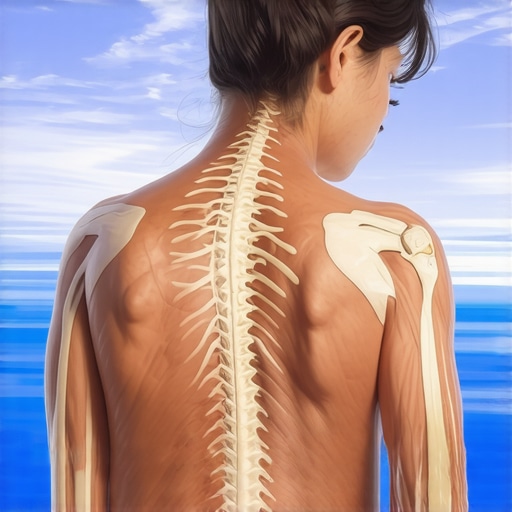
I remember the moment well—tight, almost frozen, mid-back that refused to loosen no matter how much I stretched or adjusted. It was like trying to unlock a stubborn door that wouldn’t budge, and frustration seeped in. Have you ever experienced that dull, persistent ache in the middle of your back, making every twist or turn feel like a battleground? Believe me, you’re not alone. Many of us ignore those subtle warning signs, thinking they’ll resolve on their own, but often, they just get worse.
Today, I promise to share what I’ve learned from my own journey and countless consultations: how to identify why your mid-back is feeling stuck and, more importantly, how to get it moving again with simple, effective strategies. No magic pills, no complicated gear—just practical steps that can bring relief.
Why Does My Mid-Back Feel So Stiff and Unresponsive?
First, let’s get real—stiffness in the mid-back often stems from a combination of factors like poor posture, muscle imbalances, or even habits we don’t realize we’re doing daily. I used to think that just stretching more would fix the problem. Wrong. I made the classic mistake early on: I focused solely on the area that hurt, ignoring the root causes. Too often, people underestimate how interconnected our body parts are. For example, tight hips or weak core muscles can place extra stress on your mid-back, making it feel like it’s stuck in time.
Research shows that prolonged poor posture can lead to muscular and joint restrictions in the thoracic spine, resulting in that infamous feeling of being “locked up”. This is where the importance of proper movement and mobility exercises becomes clear. I found that addressing only the symptom left me chasing shadows, which is why focusing on holistic mobility is crucial.
If this resonates with you, you’re probably wondering: “Is this really fixable?” The answer is a resounding yes. But it requires understanding the why behind your stiffness and adopting a consistent routine to counteract it.
For many, the obstacle is *not knowing which movements are effective* or *falling into the trap of quick fixes* that only offer temporary relief. That’s why I highly recommend exploring targeted exercises that unlock movement at its source. Want some quick wins? Check out simple routines like [mobility mastery exercises](https://chiromasteryz.com/mobility-mastery-simple-exercises-to-relieve-chronic-back-pain), designed to loosen stubborn mid-back blocks. They can be game-changers.
Now, before we dive into detailed solutions, I want you to consider: Have you ever pushed through pain, thinking it would improve, only to find it worsened? That’s a common mistake I made early on—which only prolonged my frustration. It’s a reminder that knowledge and gentle persistence are your best allies.
In the next sections, we’ll unpack practical, no-nonsense strategies to get your mid-back moving freely again. So, stay tuned—you’re about to take concrete steps that can turn this stiffness around.
Get Your Body Moving: Step-by-Step Guide
My personal breakthrough came when I decided to treat my mid-back like a puzzle that needed solving. The first step was to identify the source of the stiffness, much like a mechanic diagnosing a car issue. I started by gently mobilizing my thoracic spine with controlled movements, focusing on precision rather than intensity.
Start with Gentle Thoracic Rotations
Lie on your side with your knees bent at 90 degrees. Place your hands behind your head, then slowly rotate your upper body to bring your elbow towards the opposite side, gently opening up the vertebral joints. This mimics opening a window to clear out the stuck air—small, deliberate movements that loosen the area without forcing it. I recall doing this in the morning, feeling a subtle shift in how my back responded as I persisted daily.
Incorporate Dynamic Stretching
Next, incorporate dynamic stretches like Cat-Cow poses. On hands and knees, alternate between arching your back and dipping it towards the floor. Think of it as warming up a stiff rubber band—gradually increasing mobility without overstretching. Initially, I looked awkward, like a rusty robot trying to move smoothly, but consistency brought noticeable relief.
Target Hip and Shoulder Flexibility
Because our body parts are interconnected, tight hips or rounded shoulders often contribute to mid-back stiffness. I used hip flexor stretches and shoulder mobility drills—like arm circles—to address these areas. Imagine a row of dominoes; loosen one section, and the entire chain moves better. Regularly, I applied these techniques, which over time, significantly improved my mid-back responsiveness.
Practice Posture Adjustments Throughout the Day
My breakthrough was realizing that conscious postural tweaks make all the difference. I adopted micro-adjustments—like tucking my chin slightly and elongating my spine—especially during long sitting periods. Visualize yourself as a stretched rubber band—maintaining gentle tension to keep everything aligned. A simple trick I used was to set reminders to check my posture, preventing the build-up of stiffness.
Advance Your Mobility Routine
Once these foundational steps became routine, I advanced to more targeted mobility exercises, such as using foam rollers carefully on the thoracic area. For example, avoid rolling directly on your lower back, which can cause inflammation, and instead focus on the upper and mid-back regions. Read more about why foam rolling your lower back may do more harm than good. Incorporate dynamic vaults or windmills to further enhance movement quality. Remember, the goal is fluidity, not rigidity.
Consistency Is Key
My secret was consistency. Just like watering a plant, daily small efforts nurtured my mobility. Over weeks, what once felt like a stubborn block turned into a flexible, responsive spine. Implement these steps gradually, and you’ll start noticing natural improvements—like turning a rusty hinge into a smooth swing.
For an optimized routine, consider exploring top mobility strategies for active living to elevate your progress. Remember, your body adapts when you give it gentle, consistent attention—so stay patient and persistent.
Many believe that slouching is the sole culprit behind back pain, but in my experience, this oversimplification prevents us from addressing the real issues. Contrary to popular advice, rigid posture correction alone can sometimes worsen discomfort if not tailored to the individual’s unique anatomy and movement patterns. For example, forcing the shoulders back aggressively without strengthening surrounding muscles may lead to compensatory strain elsewhere. It’s a common myth that maintaining perfect posture at all times is the key—however, the body thrives on mobility, not stiffness.
One critical trap many fall into is relying heavily on posture braces or supports, thinking they will fix the underlying problem. While they can offer short-term relief, overusing them may lead to muscle atrophy, making your spine more vulnerable in the long run. According to a study published in the Journal of Orthopaedic & Sports Physical Therapy, prolonged dependency on external supports can diminish your body’s natural stabilizers, reducing overall resilience.
A sophisticated question I often get is: “How do I balance mobility and stability without triggering pain?” This is the crux of advanced back health. Truly effective progress involves understanding that your muscles and joints need to operate in harmony. Engaging in tailored mobility routines that challenge your range while strengthening core support systems is essential. Check out these expert strategies to develop a resilient spine that moves freely but supports effectively.
Be wary of quick fixes that promise instant relief—like excessive stretching or over-mobilization—which can sometimes exacerbate issues if not performed correctly. Instead, focus on nuanced approaches that combine gentle mobilization with targeted strengthening, especially in areas like the thoracic spine and hips. Incorporate routines from Mobility Mastery to unlock real progress.
Remember, your body’s response is unique; what works for one person might not work for another. The secret lies in understanding these subtle nuances and avoiding simplistic advice that ignores individual variability. Approaching posture and mobility as interconnected systems rather than isolated fixes will lead to sustainable relief. Want to deepen your understanding? Dive into these advanced tips for tailored improvement.
Have you ever fallen into this trap? Let me know in the comments.Maintaining your spinal health over time requires the right tools and habits. From simple foam rollers to advanced mobility programs, choosing the right equipment can make a significant difference in your progress. I personally swear by targeted tools that complement my routine, ensuring consistent results and preventing setbacks. One such tool is the premium foam roller, which I use cautiously—avoiding direct rolling on my lower back, as studies warn about potential inflammation, as detailed in this article. Instead, I focus on rolling my thoracic region to loosen tight muscles and improve posture, enhancing mobility and reducing pain. Beyond foam rollers, therapeutic massage balls are excellent for pinpointing stubborn knots, especially in hard-to-reach areas like the rhomboids or Pecs. I keep a couple of these balls in my kit, and during my weekly routine, I spend a few minutes applying gentle pressure to release tension, which directly correlates with better function throughout the day. Transitioning from physical tools to digital assistance, I’ve integrated mobility apps that guide me through personalized routines. These apps tailor exercises based on my feedback, ensuring I target specific issues like thoracic stiffness or hip tightness. As technology evolves, expect smarter, more adaptive tools designed to optimize your mobility dynamically—making the journey more interactive and effective. To stay on top of your maintenance game, I recommend incorporating consistent routines that blend these tools with mindful movement practices. For example, after my mobility session, I use a simple technique like the enhanced stretching strategies to reinforce gains. Prediction-wise, I believe the future holds integrated biofeedback devices that monitor muscle tension in real-time, alerting you to areas needing attention before pain manifests. How do I maintain my tools and routines effectively over time? Regular cleaning of equipment like foam rollers ensures hygiene and longevity, while revisiting my routines every few months helps me adapt to new mobility needs or shifts in activity levels. Remember, the key is consistency—using these tools as part of a daily or weekly habit rather than sporadic fixes. Try one of these advanced tips today: incorporate a foam rolling session focusing on your thoracic spine, but remember to avoid the lower back as advised. This small change can dramatically improve your mobility and prevent future pain episodes. Keep pushing forward, and let these tools be your allies in a healthier, more flexible body.
Why I Nearly Gave Up—and What Saved My Back
One of the toughest lessons I learned about back health is that persistence trumps quick fixes. I used to chase after instant relief, thinking a few stretches or supports would solve everything. But real progress came when I understood the importance of personalized, consistent movement routines. This taught me that your back’s healing process is unique, demanding patience and tailored strategies.
Essential Tools That Made a Difference in My Recovery
Over time, I trusted certain tools that truly complemented my mobility journey. Foam rollers, when used correctly on the thoracic region, helped release deep-seated tension, avoiding the common mistake of rolling on the lower back. Additionally, therapeutic massage balls targeted stubborn knots in my shoulders and upper back. I also integrated mobility apps that provided personalized routines—these tech aids kept me accountable and adaptive to my evolving needs.
Keep Moving: My Heartfelt Advice for Lasting Back Health
If there’s one thing I want you to take away, it’s that your body responds profoundly to gentle, consistent effort. Don’t wait until pain forces you to act. Start today with simple routines like thoracic rotations or hip openers, and build from there. Remember, every small step accumulates—your future self will thank you for the commitment. Embrace the journey, stay patient, and believe in your capacity to heal and move freely again.