
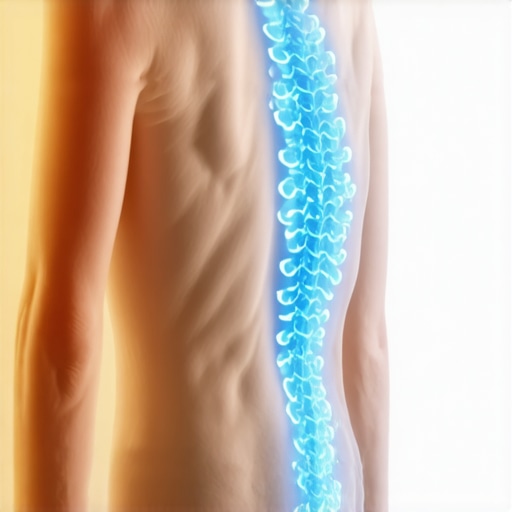
I remember the first time I pulled my back. It was a Sunday afternoon, the kind where you think you can handle everything—lifting a heavy box, tucking in the kids, then suddenly feeling a sharp sting that sent me straight to bed. Like many, I instantly reached for my heating pad, confident it would soothe the pain. But what I didn’t realize then was that heat might actually be making things worse.
For years, heat has been the go-to remedy for muscle aches, stiff joints, and minor injuries. It’s comforting, feels soothing, and we’re conditioned to think warmth promotes healing. However, when it comes to new back injuries, especially those involving inflammation or acute strain, applying heat can sometimes backfire, prolonging pain and delaying recovery.
So, today, I want to share my story—and what I’ve learned along the way. If you’re dealing with a recent back injury, you might be surprised to find out that cold therapy might be more effective initially. Together, we’ll explore why that’s the case and how to apply the right strategies to get you back on your feet faster.
Why Heat Isn’t Always Your Friend After a New Injury
Understanding the difference between acute and chronic pain is key here. When your back is newly injured, your body reacts with inflammation—that’s part of the healing process. Applying heat during this phase can increase blood flow, which sounds good, right? Well, increased circulation can actually intensify swelling and pain in the early stages. This is counterproductive because inflammation is your body’s way of signaling for healing, but excess heat can amplify it.
Early on, ice therapy helps by constricting blood vessels, reducing swelling, and numbing nerve endings. Think of it as sending in a protective squad to keep things under control. I learned this lesson the hard way—my initial mistake was relying solely on heat, thinking it would comfort my muscles, but I ended up delaying my recovery.
If you’ve experienced something similar, you’re not alone. Many people swear by heat without realizing that in the first 48 to 72 hours, ice is often the smarter choice to manage inflammation and pain. To deepen your understanding and avoid common pitfalls, I recommend checking out expert advice from chiropractic specialists, like those at [Chiro Masteryz](https://chiromasteryz.com/unlock-better-back-health-effective-posture-tips-for-2025), who emphasize proper acute injury management.
In the upcoming sections, we’ll look at practical, evidence-based steps to determine when and how to use heat or cold, and how these methods fit into a broader strategy for healing your back injury effectively.
Start with Proper Cold Therapy
Immediately after your injury, apply ice packs for 20 minutes every two hours. I once made the mistake of using a heating pad, which intensified my swelling and delayed recovery. Think of ice therapy as telling your body to ‘calm down’; it constricts blood vessels, reducing inflammation. Wrap ice in a thin towel—never place it directly on your skin—to avoid frostbite.
Limit Movement to Prevent Further Damage
Stay as still as possible during the initial phase. Resting too much can weaken muscles, but overexertion risks worsening your injury. When I tore my back, I learned that gentle, controlled movements helped maintain flexibility and sped healing. Use a supportive brace if necessary, and avoid heavy lifting or twisting motions.
Practice Gentle Mobility Exercises
Once acute pain subsides, introduce light mobility exercises to prevent stiffness. I found that simple pelvic tilts and knee-to-chest stretches eased my discomfort. Focus on slow, controlled movements, avoiding anything that causes pain. Regularly performing these exercises prevents your muscles from becoming rigid, which can lead to longer-term issues. For targeted mobility strategies, check out Mobility Mastery.
Align Your Posture During Daily Activities
Poor posture is a silent contributor to back pain. When sitting or standing, keep your spine in a neutral position. I adjusted my workspace by raising my monitor and using an ergonomic chair, which made a noticeable difference. Small changes, like avoiding crossing legs or slouching, can prevent strain from accumulating. Regularly practicing posture corrections can be a game-changer. For specific adjustments, see Posture Correction Secrets.
Incorporate Strengthening and Flexibility Routines
After initial healing, strengthen core muscles and improve flexibility to support your back. I adopted a routine of gentle yoga and targeted strengthening exercises, which significantly reduced recurrence. Build a balanced routine that targets your abdominals, glutes, and back extensors. For tailored programs, explore Back Health Tips.
Prioritize Regular Movement and Breaks
Sedentary habits worsen back pain. Set a timer to stand and stretch every 30 minutes—think of it as small ‘reboots’ for your spine. When I neglected this, my pain intensified; once I committed to regular movement, my recovery accelerated. Incorporate light walking or simple stretches into your routine. This keeps your muscles engaged and reduces stiffness.
Seek Professional Guidance When Needed
If pain persists beyond a few weeks or worsens, consult a healthcare professional. I found that precise spinal adjustments and personalized therapy sped up my healing process. Don’t ignore ongoing pain; early intervention can prevent chronic issues. To find a qualified expert, visit Contact Us.
Many people believe that perfect posture and frequent adjustments are the keys to a pain-free back, but the reality is far more nuanced. Common myths, like the idea that straightening your spine at all costs is the ultimate goal, can actually worsen your condition. For instance, some think that using a hard brace constantly will realign your spine permanently, but in truth, over-reliance on external supports can weaken your muscles and disrupt natural movement patterns. Instead, understanding the importance of dynamic alignment and functional movement is vital; this involves coordinated muscle activity and joint mobility, not just static holding positions. An often-overlooked mistake is assuming that locking your joints or stiffening your muscles helps prevent injury—when, in reality, it can cause adhesions and reduce circulation, prolonging recovery.
Another deep-seated misconception involves adjustments: many believe that professional spinal manipulations are a quick fix, but research indicates that their real benefit comes from restoring mobility when combined with active exercises and postural awareness. As Dr. Craig Buhler explains in a recent study, “manual therapy is most effective when integrated into a comprehensive movement and strengthening program”—meaning adjustments alone aren’t enough. This highlights the importance of not just seeking adjustments but learning how to maintain proper daily movements.
Posture correction, in particular, has been oversimplified. Some advocate for rigid, textbook-perfect posture as the ultimate cure, but recent insights show that variability and adaptability are healthier. Constantly tensing to hold an ideal posture can create unnecessary muscle tension and frustration, leading to what I call the ‘posture trap.’ Instead, natural, relaxed alignment during daily activities, combined with targeted mobility exercises, leads to more sustainable relief.
A hidden nuance is the timing of mobility routines: doing static stretching or aggressive anti-kyphosis corrections immediately after injury might impede healing, because your body needs time to control inflammation and stabilize. Incorporating gentle, functional movements gradually builds resilience, rather than forcing your body into fixed positions. For those seeking to deepen their understanding, I recommend reviewing this foundational guide on posture improvement.
This is the kind of advanced insight that can make a real difference, especially when combined with proper care strategies. Remember, fatigue, inflammation, and muscle guarding are natural responses—accepting these early signs and responding appropriately prevents long-term pain. Don’t fall into the trap of overcorrecting or relying solely on external supports. Instead, focus on movement quality, dynamic postural awareness, and consulting professionals who understand the complex nuances of back health.
Have you ever fallen into this trap? Let me know in the comments.Maintaining back health is an ongoing journey that requires the right tools and consistent routines. One of my favorite investments has been a high-quality foam roller. I use it daily to release tension in my muscles, especially after long hours of sitting or strenuous activity. A good foam roller helps prevent adhesions and promotes flexibility by encouraging my muscles to move freely. When choosing one, I look for a medium-density roller with a textured surface—it’s gentle enough for daily use yet effective in breaking up knots. For specific relief, I incorporate targeted devices like the Psoas Tweak Tool, which has been instrumental in resetting my pelvis and easing lower back strain. You can read more about this technique here.
The Hardest Lesson I Learned About Back Pain, Adjustments, Posture, Mobility
One of the most profound realizations I had was that quick fixes and superficial adjustments often mask deeper issues. I used to believe that an occasional spinal alignment could keep my back healthy forever, but I discovered that sustained mobility and mindful movement are what foster real resilience.
My Eye-Opening Discovery About Posture Myths
I once thought that rigidly holding a perfect posture was the safest way to protect my back. It wasn’t until I embraced dynamic alignment and relaxed awareness that I found greater comfort and less tension in my daily routines. This shifted my approach from rigidity to adaptability, which I now recommend wholeheartedly.
The Power of Consistency Over Intensity
Initially, I believed in intense workouts to fix my back problems. However, consistent, gentle movement paired with daily habits made a far more significant difference. Small, sustainable actions over time beat sporadic, aggressive efforts for lasting relief.
Curated Resources That Transformed My Approach
Among the most valuable tools I found was the comprehensive guide on effective posture tips for 2025. It provided clear, practical strategies that I integrate into my routine daily. Also, mobility mastery exercises taught me how gentle movements can unlock stiffness, and consulting professionals regularly keeps me accountable and informed.
Your Path Begins Now—Don’t Wait to Feel Better
My back journey taught me that health is a continuous process rooted in mindful movement and patience. Take small steps today—integrate gentle stretches, pay attention to your posture, and seek expert guidance when needed. Every effort you make adds up, leading to a stronger, more adaptable back. Are you ready to start your own healing journey? Share your experiences or questions below—your story might inspire someone else to take that first crucial step.
}#END#}#jsonend#}#system ߧ{