
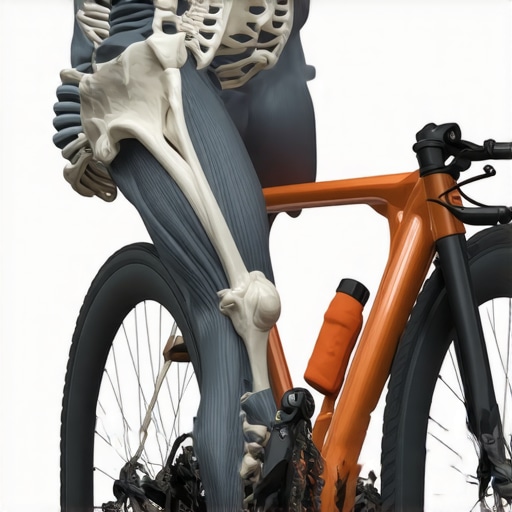
I’ll never forget the day I felt my pelvis twist violently as I reached for my bike pedals. What was supposed to be a simple stretch turned into a jarring reminder that my body was fighting against itself. It was more than just a moment of discomfort; it was a wake-up call about how neglected posture and mobility can sabotage even everyday activities.
Understanding the Root of Pelvic Rotation During Pedal Reach
Many cyclists and casual riders experience this peculiar sensation—when they stretch forward, they notice their hips or pelvis start to shift or turn unnaturally. At first, I thought it was just tight hamstrings or poor flexibility. But as I delved deeper, I discovered that this movement stems from a complex interplay of muscle imbalances, joint restrictions, and faulty movement patterns.
Early on, I made the mistake of ignoring these warning signs, assuming they were normal or temporary. That oversight only worsened my condition, leading to chronic back pain and limited mobility. Trust me, neglecting your body’s signals can turn a manageable problem into a long-term struggle. If you’ve ever felt your pelvis twist or tilt unnaturally during a simple reach—whether on your bike, in the gym, or even reaching for something in the kitchen—you’re not alone. And the good news is, there’s a path to improvement.
In this post, I’ll share practical strategies to identify, understand, and correct the root causes of your pelvic rotation—so you can move freely and confidently. Want to get back in control of your body? Keep reading.
Is Pelvic Rotation Actually Worth the Hype?—Myths and Realities
Some skeptics might think, “Is this really a big deal?” I used to believe that too. But research shows that improper pelvis movement contributes significantly to back pain and musculoskeletal issues. For example, a study published in the Journal of Orthopaedic & Sports Physical Therapy highlights how pelvic asymmetry can lead to chronic discomfort and compromised performance. Missing out on addressing these issues only prolongs your pain and hampers your daily activities.
One of my early mistakes was focusing solely on stretching without addressing underlying weaknesses. I thought flexibility was the cure-all, but I overlooked strength imbalances, especially in my core and hips. Recognizing this changed my approach entirely, and I want to help you avoid the same missteps.
So, are you tired of feeling like your pelvis is fighting against your efforts to reach, pedal, or even stand tall? If yes, then you’re in the right place. Together, we’ll explore effective ways to regain control and enjoy movement without pain.
Let’s dive into what causes this rotation and how to correct it—starting with understanding your body’s mechanics in more detail.
Activate Your Core for Stable Pelvic Position
This is the foundation. When I first started noticing my pelvis twisting during stretches, I realized my core muscles weren’t engaging properly. To fix this, start with simple core activation exercises like planks or dead bugs. Lie on your back, pull your belly button down and inward, then hold this braced position while breathing deeply. This creates a ‘natural corset’ that stabilizes your pelvis. I remember practicing this during my morning routine, feeling initially awkward but gradually gaining control. Making core engagement a habit prevents your pelvis from tilting or twisting during movement.
Identify and Release Tight Muscle Blocks
Muscle tightness often causes unintentional pelvic rotation. My calves, hip flexors, and lower back muscles would tighten after hours of sitting, pulling my pelvis into misalignment. Use targeted stretching to release these restrictions—think of muscle as rubber bands that need gentle loosening. For example, perform hip flexor stretches and hamstring lengthening. I found that after a few sessions, my pelvis had less unwanted tilt. Regularly releasing tight muscles restores balance and prepares your body for better movement patterns. For a comprehensive routine, visit this mobility guide for actionable stretches.
Implement Rock-Solid Movement Patterns
Faulty movement habits can reinforce pelvic twisting. I used to reach forward with my hips leading instead of my torso, causing that unnatural twist. To correct this, focus on movement awareness—imagine your pelvis as a bowl of water: aim to keep the water steady when reaching. Practice controlled reps, starting with slow, deliberate motions. During my sessions, I consciously activated my core and moved from the hips with tight control, avoiding momentum. Over time, this ingrained a pattern of safe, balanced reach movements. For further coaching, consider exploring mobility mastery tips that emphasize proper biomechanics.
Leverage Self-Adjustments for Daily Alignment
Small, daily tweaks can cement corrective habits. I check my posture in the mirror, aiming for neutral pelvis and straight spine, especially before activity. A quick self-adjustment involves gently tilting the pelvis forward or backward to find your ‘center of balance,’ much like leveling a wobbly table. This can be done seated or standing, and ensures your pelvis doesn’t default into a rotated position. Regular self-assessment keeps misalignments at bay, making corrective motion easier over time. For a step-by-step routine, see posture correction secrets.
Enhance Mobility with Targeted Exercises
Releasing tightness isn’t enough—mobility exercises are key. Incorporate hip circles, spinal twists, and pelvic tilts into your daily regimen. Think of your pelvis as a hinge—it needs to move smoothly in all directions. I added a quick 2-minute routine to my mornings, which included gentle rotations and stretches for my hips and lower back. The result was a freer pelvis, less rotation during reaching. For more detailed routines, visit mobility exercises for back health.
Integrate Movement Into Daily Life
The real game-changer was making these techniques part of my routine. Whether reaching for the top shelf or bending down, I consciously activated my core, moved slowly, and maintained awareness. It’s like tuning a musical instrument—you need regular adjustments to stay in harmony. My pelvis gradually stayed neutral even under load, preventing that twisting sensation. Ultimately, mastering these steps turns corrective habits into automatic behaviors, promoting lasting balance and mobility in daily life.Many believe that back pain is solely caused by injury or a sudden incident, but in reality, one of the most common misconceptions is overlooking the role of movement habits and subtle postural patterns. Contrary to popular belief, focusing only on the painful area without addressing underlying neuromuscular imbalances often leads to temporary relief at best, or recurrent issues at worst. For example, patients frequently assume that aggressive stretching will fix all issues, but studies indicate that neglecting stability and core activation can perpetuate poor alignment and pain cycles. According to expert Dr. Stuart McGill, a renowned spine researcher, effective back health relies on restoring functional movement patterns rather than just isolated flexibility or strength exercises.
Is Correcting Posture Always Enough to Cure Back Pain?
It’s tempting to think that a perfect posture will eliminate back problems, yet overcorrecting or rigidly enforcing ideal alignment can be counterproductive. This pitfall, often called ‘posture obsession,’ causes individuals to become fixated on microscopic alignment details, which can increase tension and reduce natural adaptability. Instead, what matters is cultivating a dynamic, balanced approach that allows movement variability and resilience. Recognizing this nuance is critical; static postures aren’t the full story, and excessive focus can ironically worsen discomfort. External research, such as a review in the Journal of Bodywork and Movement Therapies, shows that mobility and stability exercises tailored to individual patterns outperform generic posture corrections. Engaging in movement strategies that promote functional flexibility while maintaining stability yields better, long-lasting results than static adjustments alone. If you want to explore comprehensive strategies, check out this guide on effective posture habits.Maintaining optimal back health and mobility over the long term requires more than just exercises; it involves using the right tools and adopting effective routines that support your progress. One of my favorite investments is a high-quality foam roller, which I use daily to release my muscle tightness and improve my flexibility. Unlike cheap, hard rollers, I opt for a dense, textured foam roller that allows me to target specific areas like my thoracic spine and hips without causing bruising. Regular use of a foam roller helps prevent muscle knots and restores tissue elasticity, which is crucial for maintaining the corrections I’ve worked so hard to implement.
Another game-changer has been a set of resistance bands. I frequently use them for strengthening my hip abductors and core muscles, which are vital for pelvic stability. These bands are inexpensive, portable, and incredibly versatile—they allow me to perform a variety of corrective and strengthening exercises that reinforce proper movement patterns. Incorporating resistance bands into a routine helps ensure that gains from mobility work are sustained, especially when I travel or have limited time.
When it comes to software or digital tools, I rely heavily on mobility tracking apps. These apps help me monitor my daily movement patterns, reminding me to stretch or adjust my posture at regular intervals. I particularly like ones that incorporate guided routines based on my activity level and recent stiffness reports. Over time, using these tools has made me more aware of subtle misalignments and prevented small issues from escalating into chronic pain.
Looking ahead, I believe that wearable posture correction technology will become mainstream, offering real-time feedback and gentle cues to promote healthier habits. Devices like smart posture sensors can alert you when you slouch or tilt your pelvis improperly, allowing instant correction. As technology advances, these wearables will become even more sophisticated, integrating seamlessly with your devices and providing personalized insights.
So, how do I keep all this working for long-term success? The key lies in consistency and listening to your body’s signals. Schedule daily maintenance routines using tools like foam rollers and resistance bands, and complement them with digital monitoring. Regularly revisiting your routines ensures that your gains are not lost and your movement quality improves steadily.
If you’re serious about long-term back health, I highly recommend trying a targeted mobility routine that incorporates gentle hip rotations and spinal articulations. For example, add a quick 2-minute mobility drill from this guide into your morning. This small step can significantly reinforce your body’s resilience and make daily movements effortless.
**How do I maintain mobility, posture, and pain-free movement over time?** Investing in reliable tools like foam rollers and resistance bands combined with smart technology and consistent habits creates a sustainable approach. Remember, it’s not about quick fixes but embedding these practices into your daily routine. The more proactive you are, the longer your body will thank you. Stay motivated, and don’t hesitate to explore advanced techniques—your back’s health is a lifelong journey.
What I Didn’t Realize About My Body’s Hidden Communications
One of the biggest lightbulb moments came when I understood that my body’s subtle signals—like a slight twist during a stretch—are actually messages from my neuromuscular system. Ignoring these cues only delayed my recovery, reinforcing the idea that listening carefully can prevent chronic issues. Recognizing that small habitual misalignments accumulate over time has transformed my approach—I’m now proactive rather than reactive, tuning into my body’s language daily.
Tools That Became My Game-Changers for Better Movement
Ultimately, investing in quality mobility tools like a dense foam roller and resistance bands has been invaluable. These aren’t just accessories; they’re partners in my journey toward sustainable health. I trust them because they deliver consistent results and are tailored to my needs. Plus, leveraging digital apps for movement tracking keeps me engaged and accountable, turning routine corrections into empowering habits. Discover which tools resonate with your routine by exploring this comprehensive guide.
Embrace Your Power to Change and Thrive
Remember, your journey to pain-free mobility doesn’t have to be complicated or overwhelming. Every small adjustment, every mindful movement, contributes to a more resilient, balanced you. The future of back health is personalized, proactive, and within your control—so take the first step today. Your body is your most valuable asset—nurture it, listen to it, and watch how your life transforms. Are you ready to make that move? Share your experiences or questions below—I’d love to hear how you’re taking charge of your mobility journey.