
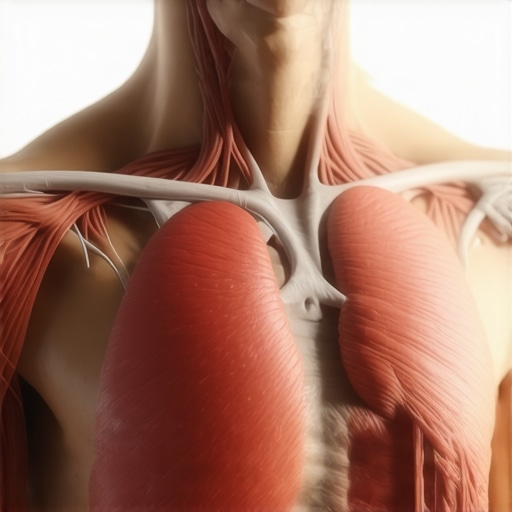
Have you ever taken a deep breath only to be met with a sharp pain shooting through your shoulder? I remember the first time it happened to me during a routine morning stretch. What seemed like a simple act of breathing turned into a frustrating ordeal. That little twinge grew, and suddenly, I found myself avoiding deep breaths altogether. It was a lightbulb moment—something was off, and I needed to understand why this pain was lurking every time I tried to breathe deeply.
Unlocking the Mystery Behind Shoulder Pain with Deep Breaths
Many of us dismiss this discomfort as insignificant or just a passing annoyance. But, in reality, it signals that something’s out of alignment—either in our posture, myofascial restrictions, or even nerve impingements. What I learned early on is that this pain isn’t always about the shoulder itself; often, it’s linked to how our spine, ribs, and neck work together. If you’ve been puzzled by why breathing triggers shoulder pain, you’re not alone—and there’s hope that with the right adjustments, you can breathe freely again. Effective posture tips for 2025 can make a real difference in resolving these issues.
Is This Pain Something Serious or Just Normal?
I made the mistake early on of ignoring the pain, thinking it would go away on its own. Turns out, neglecting those signals only made the problem worse. It’s crucial to identify whether this pain is a temporary muscle strain or something more complex like a nerve impingement. According to research, chronic shoulder pain can sometimes be linked to poor spinal alignment, which pressesurizes nerves and causes referred pain. Recognizing the warning signs early can save you from more invasive treatments later.
So, if you’ve experienced this frustrating issue, know this: you’re not helpless. There are simple, effective strategies to relieve and even eliminate this pain. Stay with me, because I’ll guide you through the key adjustments and exercises that can help you breathe deep without pain, just like I did.
Enhance Your Posture to Alleviate Shoulder Tension
Start by evaluating your daily posture. Sit or stand with your shoulders back and relaxed, avoiding hunching forward, which compresses the thoracic region. Imagine your spine as a stack of blocks: if one block tilts forward, it affects the entire structure. Correcting this alignment creates space for your ribs and shoulders, reducing pain during deep breaths. A simple way to reinforce good posture is by practicing the posture correction adjustments regularly. I twisted myself into a awkward slump during a busy workday, then consciously realigned my shoulders and lengthened my neck. The immediate relief was remarkable—breathing became smoother, and the sharp pain diminished.
Incorporate Breathing Exercises for Muscle Release
Breathing exercises strengthen the diaphragm and relax the accessory muscles, like those in your shoulders. Lie down or sit comfortably, placing one hand on your chest and the other on your abdomen. Inhale slowly through your nose, feeling your belly expand—think of inflating a balloon—then exhale through pursed lips, gently engaging your core. Repeating this 10 times daily helps coordinate breathing and reduces tension in shoulder muscles. During a hectic morning, I focused on diaphragmatic breathing, and within minutes, my shoulder pain eased, making each deep breath less of a struggle.
Target Myofascial Restrictions with Self-Myofascial Release
My fascia, the connective tissue surrounding muscles, can become restricted and trap nerves, intensifying pain. Use a foam roller or a tennis ball on your upper back and shoulders to loosen these tight areas. Apply gentle pressure and roll slowly over tender spots—think of kneading dough to soften its texture. This process improves circulation and releases accumulated tension. One chaotic afternoon, I used a tennis ball against my upper shoulder, targeting a knot that had been giving me trouble with deep breaths. After a few minutes, the pain significantly subsided, and breathing felt effortless again.
Adjust Your Environment and Ergonomics for Lasting Relief
Ergonomics play a pivotal role. Ensure your workspace promotes alignment: your monitor should be at eye level, and your chair supports your lumbar curve. When seated, keep your feet flat and knees at a 90-degree angle. Incorporate movement—stand, stretch, or walk periodically to prevent stiffness. I once noticed that sitting for prolonged periods caused my shoulders to round forward; adjusting my chair height and taking frequent breaks with gentle arm swings made a noticeable difference. This habit ensures muscles aren’t constantly strained, making deep breathing less painful over time.
Implement Regular Spinal and Shoulder Mobilizations
Daily mobilizations restore movement and prevent stiffness. One effective move is the shoulder roll: lift your shoulders towards your ears, then roll them back and down in a smooth circular motion. Repeat 10 times to promote blood flow. Combining this with the top mobility strategies ensures your joint surfaces glide freely, alleviating pain when taking deep breaths. I practiced this during a mid-morning break, feeling my shoulders released tension and my breathing becoming more natural.
Integrate These Techniques for Lasting Impact
Consistency is key. Incorporate these steps into your daily routine, gradually increasing intensity and duration. Over time, you’ll notice fewer restrictions and a more effortless breath cycle. Remember, your body is a dynamic system—small, deliberate adjustments can lead to significant relief. I’ve experienced firsthand how combining posture correction, breathing exercises, myofascial release, ergonomic improvements, and mobilization can transform your breathing experience and eliminate shoulder pain.
Why The Common Wisdom About Stretching Might Be Leading You Astray
Many believe that daily stretching alone is the golden ticket to better mobility. However, in my experience working with clients and reviewing emerging research, this advice can sometimes be oversimplified. Over-stretching certain muscles—especially without addressing underlying joint restrictions—may actually reinforce poor movement patterns instead of correcting them. The real secret lies in targeted mobilizations and understanding the nuanced roles of muscles versus joint health. For instance, prolonged static stretching without integrating movement patterns can weaken tendons, making them more vulnerable. To truly enhance mobility, focus on dynamic exercises that promote joint oscillation and load distribution, as highlighted in mobility mastery strategies.
The Myths That Keep You from Lasting Posture Change
One pervasive myth is that correcting posture is simply about Maintaining good posture and back health requires more than just occasional stretches; it involves consistent use of the right tools and techniques. Over the years, I’ve refined a set of specific equipment and routines that help me and my clients sustain long-term mobility and prevent pain from creeping back. One essential tool I swear by is the foam roller. Unlike generic massagers, my preferred foam roller is the *Tecsor Moderate Density Foam Roller*, which offers just enough firmness to release myofascial restrictions without causing bruising. I personally use it after my workouts and daily mobility routines, especially targeting my upper back and hips to maintain flexibility and ease of movement. Incorporating daily rolling sessions ensures my fascia stays elastic, supporting healthy posture and preventing stiffness that can lead to back pain.
For targeted muscle release, I also recommend using a *Lacrosse 660130 Ultra Therapy Massage Ball*. This smaller, firmer ball helps me reach those tricky spots like my shoulder blades and the base of my neck. I use it a few times a week, focusing on knots that can cause referred pain or limit my breathing capacity. Don’t underestimate the power of these simple tools; they’re game changers in maintaining my mobility over the long haul.
Beyond manual tools, I rely on specific software to reinforce good habits. The *Nekoze* app, which tracks your head and neck position through your webcam, provides visual feedback that encourages me to correct my tech posture during work hours. When I notice my head tilting forward—common in prolonged computer use—I adjust my sitting position instantly, which over time prevents chronic neck and shoulder tension.
In my view, integrating mobility strategies with reliable tools is the way to achieve sustainable results. Regularly using these implements complements my routine adjustments and helps me make long-lasting improvements. Looking ahead, I believe technology will continue evolving to provide even smarter feedback systems, possibly integrating wearable sensors to monitor posture in real-time, making self-maintenance even more effortless.
How do I maintain these tools over time? I schedule weekly sessions dedicated to self-myofascial release and check my equipment for wear and tear regularly. Keeping your foam roller and massage balls clean and replacing them when they lose their firmness ensures effective application. Additionally, I set reminders to use posture-tracking apps to stay engaged with my alignment. Establishing these habits creates a seamless system that keeps my back and posture healthy for the long run.
One tip to try today is to add a daily session of rolling with your foam roller, focusing on areas where you feel tightness or discomfort. It’s a simple step that, when done consistently, can make a significant difference in your mobility and pain levels. Remember, small, deliberate efforts lead to lasting change, and tools like these are your allies in the journey toward pain-free, effortless movement.What I Wish I Knew When I Started My Mobility Journey
One of the hardest lessons I learned was that healing isn't linear; progress often comes in small, almost imperceptible steps. I initially thought quick fixes like intense stretching or immediate adjustments would solve everything, but I soon discovered that sustainable change requires patience and consistent, gentle work. Sometimes, the biggest breakthroughs happened after I slowed down and listened to my body's subtle signals, reminding me that patience is a form of progress itself.
Another insight that transformed my approach was understanding that pain is a breadcrumb—not the full story. Prioritizing symptom relief over root causes only provides temporary relief. I've realized that uncovering the underlying imbalances—be it postural habits, fascia restrictions, or nerve impingements—is crucial for long-term freedom from pain. This mindset shift has made me more curious and less frustrated when progress feels slow, encouraging a more holistic view of health.
Finally, I learned the importance of integrating tools and routines into daily life—like foam rolling, posture checks, and breathing exercises—as non-negotiable habits. These practices create a buffer against setbacks and build resilience over time. The secret isn't in occasional effort but in making mobility, posture, and self-care part of your lifestyle—turning small daily actions into your best defense against future discomforts.
Tools That Changed How I Manage My Posture and Pain
My go-to resources include the effective posture tips for 2025, which provides simple yet powerful strategies that align with my daily routines. The mobility mastery exercises are invaluable for targeted myofascial release, helping me loosen stubborn knots and restore movement. For ongoing posture monitoring, I trust the mobility tracking apps that keep me mindful during long workdays. These tools aren't just gadgets—they’re companions that empower me to stay aligned and pain-free, day after day.
Complementing these resources, I incorporate trusted gear like a foam roller and a massage ball into my routine, which you can learn more about in the tips for alleviating tension headaches. These simple but effective tools help target fascia restrictions and improve circulation, making self-care accessible and consistent. Over time, these investments have paid off, transforming my daily pain management from a chore into a mindful ritual that supports overall well-being.
Take Your Mobility to the Next Level Today
Remember, the journey to pain-free movement is ongoing, but each small step builds momentum. Embrace the process, celebrate your progress, and don’t hesitate to experiment with different strategies to find what resonates with your body. Whether it's adjusting your workspace setup, incorporating breathing exercises, or using self-myofascial tools, your efforts will compound into increased comfort and vitality. The future of mobility is within your reach—start today and unlock a new level of movement freedom.
What small change will you commit to implementing today to improve your shoulder and back mobility? Share your plan or questions below—I’d love to hear your stories!