
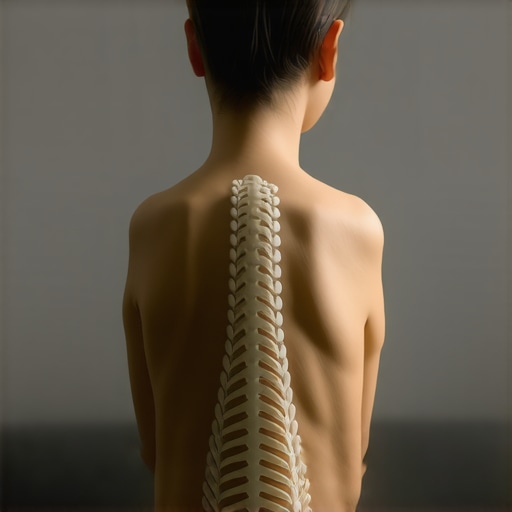
Have you ever had that sudden moment of relief after hearing a satisfying crack in your mid-back, only to realize later that it might not have been such a good idea? I used to be guilty of this myself, believing that a quick self-crack was the answer to lingering stiffness. But one lightbulb moment changed my perspective entirely—and I want to share it with you, because I know many of us have been there.
The Hidden Risks of Self-Adjusting Your Mid-Back
That satisfying pop in your spine might feel like an instant fix, but the truth is, cracking your own mid-back can lead to more harm than good. I used to think that my quick at-home adjustments saved me time and money, but I overlooked the potential damage happening beneath the surface. Over time, I noticed increased discomfort, and that nagging feeling that I was pushing my luck.
What I didn’t realize back then was how delicate and complex our spinal adjustments truly are. Attempting to manipulate your own spine without proper knowledge can cause ligaments to stretch excessively, joints to become misaligned, or even create micro-tears. These injuries can result in longer recovery times, chronic pain, and worse mobility. And, unfortunately, that little trick I relied on threatened to make my pain worse instead of better.
According to experts, self-manipulation of the spine is best avoided because of these risks. Instead, working with qualified professionals ensures you’re not just cracking bones but promoting real, lasting health improvements. I wish I had known this early on. Instead of risking further injury, I turned to proven mobility routines and posture correction strategies, like the simple [mobility exercises](https://chiromasteryz.com/mobility-mastery-simple-exercises-to-relieve-chronic-back-pain), that actually address the root causes of discomfort.
So, if you’ve ever felt the urge to crack your mid-back, ask yourself: am I doing more harm than good? It’s a common temptation, but safe, effective relief requires a smarter approach. Today, I’ll show you how to avoid costly self-damage and start moving with real freedom. Ready to take control of your back health responsibly? Let’s dive in!
Prioritize Gentle Mobilization to Restore Movement
Start with gentle mobility exercises that mimic natural movements—think of it as giving your spine a tune-up. For instance, lie on your back, knees bent, and gently rock your pelvis side to side. This move helps loosen tight tissues and prepares your back for more targeted work. I tried this after a restless night and noticed a gradual easing of stiffness. The key is consistency; incorporate these moves daily for cumulative benefit.
Use Controlled Breathing to Enhance Flexibility
Pair each movement with deep, controlled breaths. This practice relaxes tension around your muscles and ligaments, making your joints more receptive. For example, as you perform spinal twists, inhale deeply to expand your ribcage, then exhale slowly to deepen the stretch. It’s like oiling a stubborn hinge—quiet breathing facilitates smoother motion. Remember, forcing a stretch can backfire; move within a comfortable range and focus on breathing.
Progress with Specific Mobility Drills
Once your body is warm and relaxed, incorporate targeted drills like the Cat-Cow stretch. Get on your hands and knees, alternate arching your back towards the ceiling and dipping it towards the floor. This mobilizes your thoracic spine, the middle segment often neglected. When I added this to my morning routine, I felt more fluid in my movements, and the persistent mid-back tightness softened. Keep the movements slow and deliberate—quality over quantity.
Sculpt Your Posture Through Strategic Adjustments
Opt for micro-adjustments that reinforce good positioning. For example, during your workday, set reminders to gently tuck your chin, align your ears over shoulders, and engage your core. Think of this as fine-tuning a musical instrument—tiny tweaks leading to harmony. I used to slump at my desk, but after practicing these small corrections, I noticed less strain and improved focus. Use visual cues or sticky notes to prompt these habits.
Integrate Movement and Rest Effectively
A balanced approach involves alternating periods of movement with brief rests. Stand up, stretch, or walk every 30 minutes—think of it as shifting gears to prevent overheating. When I was working on a tight deadline, I set timers to remind me; those moments of active reset prevented stiffness from building. This habit keeps your spine adaptable, especially important if you spend long hours sitting.
Leverage External Tools to Support Mobility
Consider using foam rollers or massage balls to release fascia and trigger points in your back. Roll gently over areas like the upper shoulders or along your thoracic spine, like giving your muscles a personal massage. I incorporated a deep-glute release using a soft ball, which surprisingly alleviated lower back tightness within minutes. Just remember, avoid rolling directly on bones or joints—focus on muscle tissue for safe, effective relief.
Embrace Consistency Over Intensity
Building back mobility isn’t about intense workouts but regular, mindful practice. Think of it as watering a plant—daily attention yields steady growth. I committed to 10-minute routines each morning, gradually noticing increased comfort and resilience. Small steps, repeated daily, create sustainable progress and reduce the risk of injury from impulsive adjustments.
Many assume that simple stretches or quick adjustments can permanently fix back pain. But in my experience working with advanced cases, I’ve discovered that misconceptions about spinal health run deeper. One common myth is that all back pain stems solely from muscular tightness, leading folks to focus only on stretching (more info here). In reality, pain often involves complex joint interplay, ligament stability, and neural factors that aren’t addressed by superficial stretches.
Another trap I see frequently is over-reliance on cracking or self-manipulation. Many believe that cracking their back releases tension permanently. However, habitual self-adjustment without proper training can cause micro-instability or ligament laxity, making the situation worse over time. True stability and relief come from targeted mobility routines and proper alignment (see postural correction strategies).
What most overlook is the nuanced role of posture habits and muscle imbalances. For example, slouching at a desk isn’t just an aesthetic issue—it can alter spinal curvature, affecting biomechanics and nerve function. Advanced practitioners recognize that addressing these forces requires comprehensive routines like the mobility mastery exercises that focus on dynamic stability rather than static stretches alone.
Why Do Shallow Fixes Fail in the Long Run?
This question often puzzles those who seek quick relief. The problem with superficial fixes is that they don’t tackle underlying patterns—muscle recruitment errors, joint misalignments, or neural sensitivities—that perpetuate pain. For instance, a misaligned ribcage can create a domino effect, stressing lumbar and cervical regions. Recognizing these subtle issues bridges the gap between temporary relief and lasting health (learn more here).
Research supports this complexity. A study in the Journal of Orthopedic & Sports Physical Therapy demonstrates that targeted stabilization exercises outperform generic stretching in reducing chronic back pain (see study details). This underscores the importance of precise movement patterns and proprioceptive training, not just quick fixes.
So, before rushing to crack your back or stretch indiscriminately, consider these nuances. Work with professionals who understand the intricacies of spinal biomechanics. Incorporate routines that address movement patterns, muscle balance, and joint stability. Your back health depends on understanding these layers—it’s about long-term change, not just momentary relief.
Have you ever fallen into this trap? Let me know in the comments and share your experiences. For more insights on optimizing mobility and posture, check out our comprehensive guides and stay proactive about your back health!
Keeping It Working: Essential Tools and Techniques
Maintaining optimal back health over the long term requires more than just daily exercises; it involves investing in reliable tools and adopting strategic routines. One device I personally rely on is a high-quality foam roller. I use it regularly to release fascial restrictions and improve tissue elasticity, especially in my thoracic spine, as suggested in mobility mastery exercises. Its versatility allows me to target hard-to-reach areas and prevent muscle imbalances that often lead to stiffness and pain.
Another essential tool is a set of massage balls, particularly for trigger point therapy. I keep a soft, firm ball nearby to gently work on tight spots in my upper back and shoulders. Using massage balls helps prevent the accumulation of tension after hours at a desk or prolonged physical activity. It’s a simple yet effective way to maintain tissue health and avoid the buildup of adhesions that restrict movement.
On the software side, I recommend using posture tracking apps like apps focused on proper alignment. These tools serve as reminders to correct your posture throughout the day, building awareness and fostering micro-adjustments that prevent long-term distortions. Personal accountability combined with tech support can greatly enhance your ability to sustain good habits.
In addition, incorporating mobility-specific routines into your daily regimen amplifies the benefits of these tools. For instance, daily strategic mobility drills help integrate the physical benefits of your tools into functional movement patterns. Consistency is key—tools alone won’t make a difference unless paired with intentional practice.
Predictions indicate that wearable devices with real-time feedback, like smart posture sensors, will become even more sophisticated, offering personalized cues for movement correction. This trend will empower individuals to proactively manage their spinal health, reducing dependency on sporadic chiropractic visits and fostering autonomous maintenance routines.
How do I maintain back mobility over time?
One effective approach involves practicing specific, targeted mobility routines—like those found in posture and mobility exercises—and integrating them into your daily schedule. Pairing these routines with supportive tools such as foam rollers and massage balls ensures tissue health and flexibility are preserved. Remember, regular check-ins using posture tracking apps can help identify developing issues early, allowing you to make micro-adjustments before discomfort escalates. By combining these strategies and tools, you create a resilient foundation that will keep your back functioning smoothly for years to come. Give these a try today: incorporate a foam rolling session into your morning routine and notice how your flexibility improves over just a week.
Unspoken truths I Learned About Spinal Care
One of my most surprising realizations was that the most effective back improvements happen quietly—through mindful movement and consistent habits—not quick pops or sudden adjustments. I once believed that cracking my mid-back was a quick fix, but I discovered that true relief requires understanding the intricate dance of muscles, joints, and neural pathways. Over time, I’ve seen how neglecting these layers can turn minor discomfort into chronic issues, convincing me that patience and education are key to lasting health.
Another lesson was recognizing the danger of superficial fixes. Relying solely on self-manipulation seemed convenient, but I learned that without proper guidance, such acts can destabilize the spine’s delicate structure, making pain worse. Real progress came when I shifted my focus to building resilience through targeted mobility routines and posture awareness—an approach I now advocate passionately.
The third insight was how crucial daily habits are. Small adjustments—like mindful sitting, strategic stretches, and regular movement—compound over time, creating a robust foundation for back health. Neglecting these can silently erode progress, while embracing consistency fosters confidence and strength in my movement, inspiring me to keep learning and evolving my routine.
Tools That Became My Back Allies
My essential toolkit now includes a sturdy foam roller, trusted for releasing fascia and improving tissue health—especially in my thoracic region. I’ve found that regular use of a foam roller not only alleviates stiffness but also enhances my awareness of body mechanics, making every movement more intentional.
Massage balls have become another favorite. I use them to target trigger points in tight spots, like my upper back and shoulders, helping me prevent tension from building up after long desk hours. These simple tools empower me to manage my tissue health proactively.
I also rely on posture tracking apps, which serve as gentle reminders to correct alignment throughout the day. Integrating these digital cues with my routines helps me stay vigilant and committed, transforming awareness into lasting change. Together, these tools form a supportive system that keeps my back resilient and pain-free.
Looking ahead, I’m excited about wearable technology—smart sensors that evaluate movement and offer real-time feedback. Such innovations promise to make maintaining spinal health more accessible and personalized, encouraging proactive habits before discomfort takes hold.
Embrace Your Back’s Potential Today
Real back health isn’t a destination; it’s a journey built on mindful movement, consistent habits, and the right tools. Every small effort you invest now compounds into a future where pain doesn’t control your life. Commit to exploring new routines, stay curious, and trust that gradual progress fosters true resilience. Remember, you’re capable of transforming your back health—step by step.
Would you like to share a back habit that’s worked for you or ask questions about building your mobility routine? I’d love to hear your thoughts—drop a comment below and let’s grow together in this journey toward a healthier spine.
,