
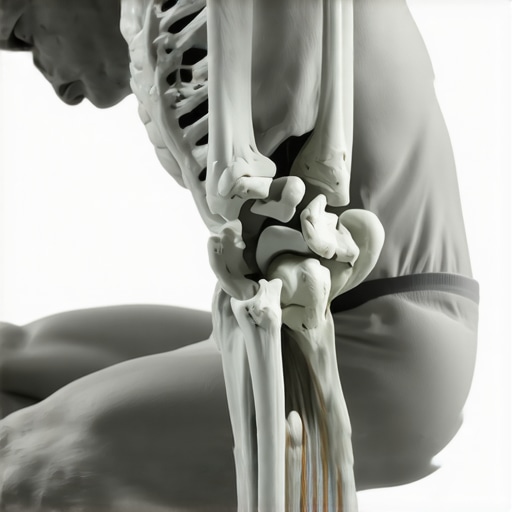
I remember the first time I heard that unmistakable cracking sound echo through my gym as I attempted a squat. Frustration bubbled inside me, accompanied by a twinge of concern. Was I doing something wrong? Was my body trying to tell me I was about to cause damage? These questions haunted me until I finally realized that that notorious knee crack wasn’t necessarily a sign of trouble, but often a sign of something else entirely. If you’ve ever been worried or even embarrassed by those pops and clicks during your workouts, you’re not alone. Many of us have faced the same dilemma, wondering whether it’s normal or a red flag.
Understanding the Mystery Behind Those Cracks and Pops
Here’s the honest truth: knee cracking during squats is incredibly common, and for many, it’s just a normal part of moving joints that haven’t been properly lubricated or aligned. I used to think every knee sound was a warning sign, and I even avoided certain movements just to be safe. But after digging into some research and consulting with experts, I learned that in most cases, my knees were simply adjusting, releasing gas, or tendons gliding over bones—completely harmless sensations.
However, this doesn’t mean that all crackling is benign. Persistent, painful, or sudden changes in these sounds can indicate underlying issues such as cartilage wear or ligament problems. It’s essential to differentiate between typical, benign sounds and signals that require medical attention. To ensure I was making the right choices, I started paying closer attention to my body and seeking advice from qualified professionals. Learning the correct movement patterns and addressing mobility restrictions made a huge difference in reducing discomfort and improving my squatting form.
So, what can you do if you’re tired of the mystery and want to squat with confidence? Well, that’s exactly what we’ll explore together. We’ll look into practical steps to understand whether those cracking sounds are normal, how to improve your joint health, and, most importantly, how to squat safely and effectively. Ready to stop guessing and start moving better? Let’s dive in!
Is all cracking in your knees actually worth sweating over?
Early in my own journey, I made a mistake that I see many beginners fall into: ignoring persistent knee pain or clicking because I thought it was just part of aging or the natural process of getting stronger. Turns out, this mindset could have prevented me from catching an underlying issue early on. Learning to listen to my body and know when to seek help is a lesson I wish I hadn’t delayed. For more on avoiding common mobility pitfalls, check out this expert mobility guide.
Strengthen Surrounding Muscles
One of the most effective ways to reduce knee popping is to build strength around your joint. Focus on exercises that target your quadriceps, hamstrings, and glutes. For example, perform controlled leg lifts and bridges, which activate stabilizer muscles, creating better joint support. I once incorporated extra glute bridges into my routine after noticing persistent knee sounds. Over a few weeks, I observed a notable decrease in cracking and improved squat stability.
Improve Mobility and Flexibility
Limited joint mobility can cause tendons to snap over bones, leading to audible cracks. Regularly practice dynamic stretches like leg swings and hip circles to enhance range of motion. Incorporate static stretches for your calves and hamstrings post-workout to maintain flexibility. I found that adding daily hamstring stretches helped my knees glide smoothly during squats, reducing the sounds significantly. Think of your joint as a door hinge — the smoother it moves, the less noise it makes.
Adjust Your Technique for Better Alignment
Proper posture during squats minimizes undue stress on your knees. Keep your feet shoulder-width apart, toes slightly pointed outward. As you descend, ensure your knees track over your toes—imagine pushing your knees outward, as if opening a book. When I first paid attention to my form and used a mirror, I noticed my knees caving inward, which contributed to cracking. Correcting this alignment not only reduced noise but also prevented discomfort.
Use Spot-On Cues for Posture
Visual cues can reinforce proper form. Focus on maintaining a neutral spine, like balancing a glass of water on your back, to prevent leaning forward or arching excessively. Engage your core muscles as if bracing for a light punch to stabilize your pelvis and spine. This micro-adjustment made a tangible difference in smoother movement and quieter knees during my workouts.
Make Micro-Adjustments in Daily Activities
Habitual poor posture affects joint health over time. Practice daily micro-adjustments, such as standing with weight evenly distributed, avoiding crossing your legs, and not hyperextending your knees. Using a small mirror at your workstation to correct posture prevents cumulative strain. I noticed that simply standing with my feet parallel and engaging my core throughout the day kept my knees more comfortable and reduced cracking when I squatted.
Incorporate Gentle Self-Mobilizations
Self-mobilization techniques can help free up tight tendons and improve joint function. Gentle rolling or squeezing around the sides of the knee with a soft ball or your hands can loosen tissues. For more advanced, targeted releases, consider using a soft massage ball against specific tight spots. I experimented with the deep glute release with a massage ball after long sitting periods, which relieved tension around my knees and enhanced overall joint health. Remember, consistency is key — daily habits create lasting change.
Monitor and Respond to Your Body’s Signals
Pay attention to persistent or painful cracking. If the noise is accompanied by swelling, pain, or feels different from normal, consult a healthcare professional. Early recognition of issues like cartilage wear can prevent long-term damage. During my journey, I learned that listening closely to my body’s cues, rather than ignoring discomfort, allowed me to adjust exercises or seek guidance promptly, safeguarding my knee health long-term.
Most people believe that simplifying posture adjustments or quick-fix stretches are the ultimate solutions for back pain and mobility issues. While these approaches can provide temporary relief, they often overlook the complex, nuanced factors that truly influence spinal health. As an expert in chiropractic and movement sciences, I can tell you that many common myths persist because they’ve been oversimplified or misapplied.
Why Your Shoulder Rolls Aren’t Fixing Everything
One widespread misconception is that rolling your shoulders back and opening the chest instantly corrects poor posture. Yes, this can alleviate some tension, but if your core muscles aren’t engaged or your hip alignment is off, the improvement is superficial. Relying solely on this ‘quick fix’ can lead to complacency, delaying deeper adjustments needed for long-term relief. For a comprehensive approach, consider integrated mobility strategies that address the entire kinetic chain, like those outlined in mobility mastery guides.
Is my posture truly the cause of my chronic back pain?
In many cases, posture is a symptom rather than a root cause. Poor movement patterns and muscular imbalances often develop gradually, leading to compensations that affect the spine. Correcting these requires more than just static posture cues; it demands dynamic retraining of movement habits and addressing restrictions in tissues. For example, tight hip flexors or overstretched lumbar muscles can subtly perpetuate pain cycles, despite a seemingly correct sitting or standing posture. Learning to recognize and modify these nuances is crucial for lasting change. You can explore methods to fine-tune your spinal alignment through techniques discussed in posture correction secrets.
Beware the Mobility Trap
Another common error is misinterpreting increased flexibility as functional mobility. It’s tempting to think that more stretch equals better movement, but if tissues are allowed to overstretch without proper strength, it can lead to instability or even more pain. For example, excessive hamstring flexibility without corresponding core control can worsen lumbar instability. Strive for balanced mobility and stability—tighten weak links, strengthen supporting muscles, and then improve flexibility gradually. This nuanced approach prevents the pitfalls of over-reliance on stretching alone, as detailed in mobility exercises.
How to Spot the Subtle Signs of Dysfunction
Many overlook early indicators of deeper issues, mistaking them for minor discomfort. For instance, a slight asymmetry in movement or subtle joint crepitus might seem insignificant but could signal tissue degeneration or misalignments. Learning to listen to your body’s whispers rather than ignoring them can save you from more severe impairments later. Incorporate regular self-assessments and professional check-ins to catch these cues early. More details on recognizing and responding to these nuances are available in advanced posture tips.
So, are you falling into the trap of oversimplifying complex issues like back pain and mobility? The truth is, genuine progress requires understanding the subtle interplay of muscles, tissues, and joint mechanics. Don’t just treat the surface symptoms—delve deeper and correct the underlying patterns. Ready to challenge your assumptions? Check out our comprehensive guides for real, lasting change, and share your thoughts below. Have you ever fallen into this trap? Let me know in the comments.
Maintaining good posture and back health over the long term requires the right equipment and routines. A key tool I personally rely on is the foam roller, which I use daily to release muscle tension in my thoracic spine and hips. Unlike generic rollers, I opt for a dense, smooth foam roller that allows for targeted self-myofascial release, helping me prevent tightness that can lead to discomfort or misalignment. Incorporating regular rolling sessions has improved my mobility and reduced the need for frequent adjustments, making my workouts more effective and safer. Additionally, I utilize a posture-cedral mirror for visual feedback during exercises, ensuring I maintain proper alignment and avoid compensatory movements that could cause long-term issues. These mirrors are invaluable for self-checks, especially when training at home without a trainer. Moving beyond physical tools, I recommend a mobility software app that tracks flexibility and movement patterns, offering personalized routines based on your specific limitations, much like those discussed in mobility enhancement strategies. Predictably, as technology advances, I expect wearable sensors to become more mainstream, providing real-time feedback during daily activities and exercises—this will make maintaining optimal posture even more accessible. When considering long-term results, consistency in using these tools daily is essential. Set a schedule that includes regular rolling, posture checks, and mobility exercises to embed these habits into your routine. If you’re interested in expanding your toolkit, experimenting with portable resistance bands can help strengthen supporting muscles dynamically during daily activities. They are small, affordable, and versatile, allowing you to work on strength and stability outside the gym. How do I keep these tools effective over time? The secret lies in integrating them into your daily routine—do a quick roll before workouts, perform posture checks during breaks, and use resistance bands during your warm-up or cool-down. This routine transforms maintenance from a chore into an integral part of your lifestyle, ensuring lasting improvements. Plus, regularly reviewing your progress and adjusting your routines keeps things fresh and targeted. Remember, small, consistent actions yield the best long-term results. For a comprehensive approach, explore detailed guides like advanced posture optimization tips. Now, I challenge you to pick one tool—maybe the foam roller or resistance bands—and commit to using it daily for the next week. Notice the changes in your mobility and comfort. Your back will thank you for it! Keeping your foundation strong is an ongoing process, but with the right tools and habits, you can achieve lasting health and flexibility.
Over the years, I realized that most of the obstacles in improving posture and mobility aren’t just physical—they’re deeply rooted in misconceptions and overlooked details. One of the most profound lessons I learned was that persistent discomfort often isn’t about stretching or strengthening alone but understanding the subtle cues your body gives you. For example, realizing that a tiny misalignment in my hips could ripple into chronic back pain shifted my approach from quick fixes to comprehensive movement awareness. Another lightbulb moment was recognizing that consistency in habits, rather than sporadic efforts, builds durable change—something I had underestimated early on. Lastly, I discovered that education—the more I learned about my own anatomy and movement patterns—the more empowered I felt to make lasting improvements rather than chasing fleeting relief.