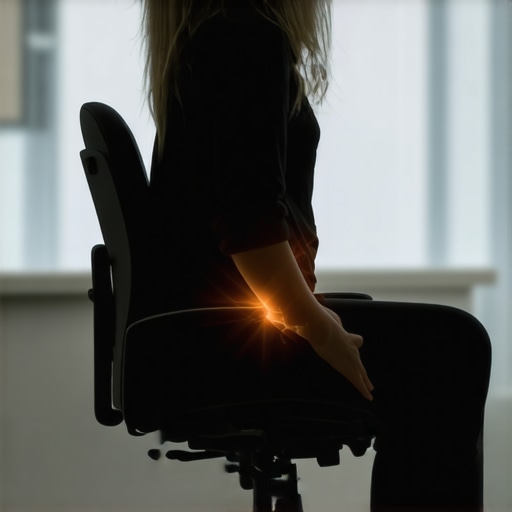
Have you ever finished a long day at your desk, only to stand up and feel like your hips are glued shut? That stiff, aching sensation I used to ignore became my daily reality—until I finally had that lightbulb moment. I realized that my constant sitting was not just making my back sore; it was silently tightening my hips, making every movement harder and more painful.
The Hidden Cost of Sitting: When Comfort Turns into a Trap
If you’re like me, you start the day promising you’ll stretch or move around more, but hours slip by, and your posture falls right back into that familiar slouch. Over time, this habit causes your hip flexors—the muscles at the front of your hips—to become chronically tight. I felt it in my hips, sure. But I also noticed it’s influencing my posture, my gait, even my knee health. It’s as if sitting makes a silent promise: stay still, stay comfortable. But what it really delivers is a movement nightmare that only gets worse with time.
What I didn’t realize back then is that this tightening isn’t just about feeling stiff; it has serious consequences. According to recent studies, prolonged sitting shortens the hip flexors, which can contribute to lower back pain, limited mobility, and even balance issues as we age (source: Harvard Health Publishing). The good news? We can do something about it.
In this post, I’ll walk you through the causes, how to recognize if sitting has taken a toll on your hips, and most importantly, practical steps you can take today to loosen those tight muscles and regain your freedom of movement.
Is Stretching Enough, or Are You Missing the Real Problem?
One common mistake I made early on was solely focusing on stretching without addressing the root cause—poor sitting habits. It’s easy to fall into the trap of thinking a quick stretch will fix everything. But without changing how and when you sit, those tight hips will just come right back. To truly break free from this cycle, we need a holistic approach—including posture adjustments and daily mobility routines. Curious about how small tweaks can make all the difference? Stay tuned, because I’ll share effective strategies that helped me—and they can help you too.
Have you noticed your hips feeling tight after sitting for extended periods? If yes, you’re not alone—and I’ve been there. Let’s start empowering ourselves to take back control.
Start with Posture Awareness and Small Adjustments
My first real change was paying close attention to how I sat during the day. Imagine your pelvis as the foundation of a building; if it’s tilted forward or backward consistently, it pulls the whole structure into imbalance. To correct this, I began adjusting my chair height so my feet rested flat, thighs parallel to the ground, and I avoided crossing my legs. Implementing a simple daily spinal adjustment routine helped reinforce better sitting habits. One messy attempt I remember involved shifting my hips back and forth while at my desk, gradually finding a natural, comfortable position that supported my lumbar curve. Small, consistent tweaks like these reset my pelvis alignment over time, reducing stress on my hips.
Incorporate Targeted Mobility Exercises Into Your Day
Once my posture was nudged in the right direction, I moved on to mobility drills. Think of your hips as the hinges on a door—if they’re stiff, the door doesn’t swing smoothly. A simple exercise I adopted was the hip hinge, which involves bending at the hips while keeping my back straight, mimicking the motion of closing a heavy door. I practice this several times a day, especially after prolonged sitting. Additionally, I performed deep hip stretches, like the kneeling hip flexor stretch, which I held for 30 seconds on each side. During one session, I paired these stretches with controlled breathing, relaxing into the stretch rather than forcing it. Over weeks, I noticed my hips felt freer, and movements like walking or climbing stairs became less painful. For a more structured routine, check out the mobility mastery exercises that helped me regain flexibility.
Use Self-Myofascial Release Tools for Deeper Relief
To tackle stubborn tightness, I started incorporating foam rollers and massage balls. Think of these tools as giving your muscles a mini-deep tissue massage—breaking up scar tissue and knot formations that restrict movement. I used a soft massage ball along my hip flexors, rolling slowly over tender spots. I remember initially wincing because some knots felt like steel cables, but the relief afterward was worth the discomfort. Consistent, gentle pressure helped my tissues adapt, decreasing overall tightness. Be cautious not to overdo it; brief sessions of 1-2 minutes per area are sufficient. For guidance, I referred to deep glute release tips that complemented my routine.
Practice Functional Movement Patterns and Strengthen Supporting Muscles
Stretching and mobility exercises are vital, but strengthening the supporting muscles stabilizes your hips. I focused on core exercises like planks and side bridges to support lumbar and pelvic stability. I also practiced the pelvic tilt movement, which involves gently rocking the pelvis forward and backward while lying down—this helped me understand my natural pelvic position. Recall the story of how I applied the pelvic tilt technique during a stressful day; by deliberately tilting my pelvis into the proper position, I prevented my hips from tightening unnecessarily. Engaging in these daily routines, I found my hips became more resilient, and I regained comfortable range of motion without pain.
Stay Consistent and Seek Expert Guidance
As I progressed, I realized that consistency was key. Integrating these steps into my daily schedule, I avoided slipping back into old habits. Whenever I felt unsure about my form or progress, I consulted professionals through contacting experts who provided tailored advice. Remember, improving mobility is a gradual process. Sharp pain or persistent discomfort signals that you might need personalized assessment, so don’t hesitate to seek professional help to fine-tune your routine and ensure lasting results.
Many people believe that if they just stretch regularly or sit correctly, they’ll prevent back pain. But the reality is more complex. One common myth is that focusing solely on stretching is enough to fix chronic issues; however, without addressing underlying habits—like habitual poor sitting or faulty movement patterns—that fix is superficial. True progress requires a deeper understanding of how our muscles, fascia, and joints interact, often revealing nuanced mistakes many overlook. For example, some think that strengthening exercises alone resolve alignment problems, but without proper postural assessments and adjustments, reinforcing weak muscles can exacerbate imbalances. Additionally, a trap to avoid is over-reliance on quick fixes like self-manipulation or cracking joints, which can lead to instability or even injury over time. Experts warn that improper adjustments, especially when done without proper knowledge, risk creating microtraumas. Instead, professional guidance ensures movements and corrections are safe and effective.
Why do traditional posture tips sometimes worsen back pain?
Research indicates that static correction methods, such as rigid ergonomic setups or overly aggressive postural corrections, can cause muscular compensation and tension, leading to discomfort. According to a study published in the Journal of Bodywork and Movement Therapies, maintaining a ‘perfect’ posture constantly can prevent the muscles from engaging naturally, resulting in stiffness or weakened stabilizers. Real progress involves dynamic awareness and gentle adjustments that promote natural movement patterns, not rigid adherence to idealized postures. For advanced practitioners, understanding the complex neuromuscular feedback loops is key; for instance, over-correcting pelvic tilt without considering individual pelvic shape or spinal curvature may do more harm than good. To optimize your approach, consider comprehensive assessments and personalized routines—approach that professionals like chiropractors can provide. Want to learn more? Discover effective strategies at [Unlock Better Back Health](https://chiromasteryz.com/unlock-better-back-health-effective-posture-tips-for-2025) and avoid common pitfalls. Remember, lasting change comes from understanding your body’s unique needs, not following generic advice. Have you ever fallen into this trap? Let me know in the comments.Maintaining your back health over the long term requires more than just occasional stretches; it demands a curated toolkit and consistent routines. One of my personal favorites is the **Foam Roller**. I use it daily to perform targeted myofascial release on stubborn tight spots, especially around my hips and lower back. The key is choosing a roller with a medium firmness—my personal pick is the firm-density foam roller, as it provides enough pressure for deep tissue work without causing discomfort. I focus on rolling slowly over my hip flexors and lumbar regions, paying close attention to knots or tender areas. This helps prevent trigger point buildup and maintains tissue elasticity, which is crucial for mobility.
Beyond physical tools, I recommend investing in a **Smart Posture Monitor**. Devices like the Upright Go or Lumo Lift sync with your smartphone and provide real-time feedback about your sitting and standing posture. During my early days, I found that setting alarms to remind me to straighten up or adjust my pelvis regularly made a huge difference. These gadgets help build awareness and reinforce healthier habits that stick over months and years.
For software, I suggest using **Mobility Apps** that guide you through daily routines. The [Mobility Mastery](https://chiromasteryz.com/mobility-mastery-simple-exercises-to-relieve-chronic-back-pain) program offers structured exercises designed to maintain flexibility and prevent recurrence of pain. I’ve found that setting aside just 10-15 minutes daily for these routines, especially the hip hinge and gentle stretches, emboldens long-term resilience.
Looking into the future, I predict a greater integration of **AI-driven biofeedback** devices that adapt routines based on real-time data, making personalized back care more accessible. Think of a device that not only alerts you when your posture slumbles but also suggests specific exercises addressing your pain hotspots.
How do I sustain improvements from these tools? Regularity is vital. Incorporate your foam rolling, posture checks, and mobility exercises into your daily schedule—preferably linked to daily routines like morning wake-ups or lunch breaks. To deepen your commitment, consider setting up a consultation with a professional through [Contact Us](https://chiromasteryz.com/contact-us). They can personalize your toolkit and help you troubleshoot persistent issues.
One advanced tip I encourage you to try is combining myofascial release with controlled diaphragmatic breathing during your sessions. This synergy not only relieves tissue tightness but also activates your parasympathetic nervous system, promoting relaxation and healing. Wrap this into your daily routine, and you’ll notice sustained improvements in mobility and posture. Remember, the key is consistency and leveraging these specific tools for a holistic approach.
What I Wish I Knew About Moving Better
The biggest lesson I learned is that real progress isn’t about quick fixes—it’s about understanding your body’s unique patterns and respecting its natural boundaries. I used to chase after every new stretch or gadget, thinking they’d be the magic solution. But over time, I realized that building awareness of my daily habits, coupled with targeted adjustments, made the biggest difference. Sometimes, the simplest change—like sitting with a neutral pelvis—had a profound impact on my overall mobility. This journey taught me patience: improve gradually, listen to your body, and celebrate small wins.
My Go-To Tools for Lasting Relief
I’ve come to rely on a few core tools that truly shifted my approach: a medium-density foam roller for releasing myofascial knots; a smart posture monitor that keeps me accountable; and the mobility exercises I found in the Mobility Mastery program. These resources are trustworthy because they’ve been tested in my daily routine, and I still use them regularly. They empower me to maintain the gains I worked so hard for and adapt my practice as I evolve.
Owning Your Movement: The Power of Small Steps
Ultimately, transforming back health and posture is a personal journey. It’s about creating consistent, manageable routines that fit your life—whether that means a quick hip hinge during morning coffee or a subtle pelvic tilt during afternoon breaks. Remember, progress isn’t linear, and setbacks are part of growth. The key is cultivating curiosity and patience, approaching your body with kindness. If you’re ready to take control, start small, stay consistent, and don’t hesitate to seek professional guidance. Your future self will thank you for it.