
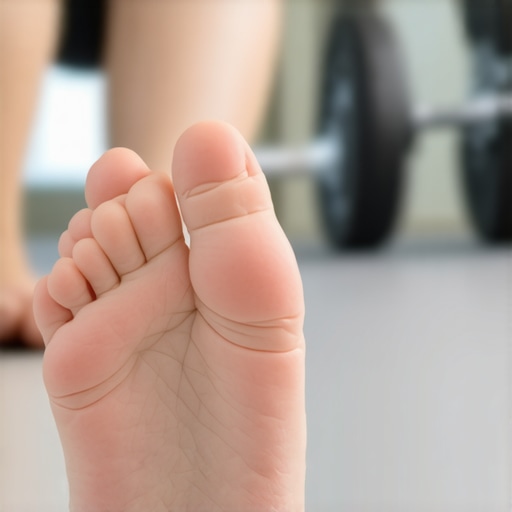
It was a mornings when I was halfway through my squat routine, and suddenly, I felt that familiar twinge deep in my heel. Not pain, exactly—more like my foot was refusing to cooperate. That’s when I realized I was missing a small but mighty piece of the mobility puzzle: my big toe. For years, I had ignored this tiny joint, chalking up my struggles with perfect form to hips or knees, but the truth was, my lack of big toe mobility was sabotaging my efforts.
The Hidden Link Between Your Big Toe and Better Squats
If you’ve ever struggled with maintaining proper squat form, especially feeling like you’re stuck or unsteady at the bottom, you’re not alone. Many folks overlook the critical role that the big toe plays in stabilizing your entire lower body. When your big toe can’t move properly, it compromises your foot’s ability to push off efficiently, throws off your balance, and can even lead to joint pain over time. Improving this tiny joint’s mobility has been a game-changer for me—helping me squat deeper, with more control and less discomfort.
But here’s the thing: simply knowing about toe mobility isn’t enough. I made a mistake early on—believing that stretching the calves or strengthening the ankles alone would solve my issues. Turns out, the big toe’s flexibility is a unique puzzle piece, often neglected in standard mobility routines.
Today, I want to share what I learned about this overlooked secret and how it can unlock your squat potential. So, if you’ve been battling stiff joints, uneven squat depth, or persistent foot fatigue, keep reading. The steps I’m about to reveal will help you harness the true power of your big toe and transform your movement.
Is Big Toe Mobility Actually Worth the Hype?
Honestly, I was skeptical at first. I thought, “It’s just one tiny joint—how much difference can it make?” But after some trial and error, I discovered that focusing on this small detail yielded practical, noticeable improvements. Plus, I learned that many advanced athletes swear by small mobility tweaks to avoid injury and keep their training sustainable.
Early in my journey, I also fell into the trap of assuming mobility issues were purely related to hip or knee problems. That was a mistake. It wasn’t until I included targeted big toe exercises that I saw significant gains. This realization reinforced the importance of addressing the root cause instead of just treating symptoms.
And here’s a bonus—improving big toe mobility doesn’t just benefit squats. It’s a foundational move that enhances your overall balance, walking stability, and even helps prevent common foot ailments. Imagine better posture, fewer aches, and more confident movement—all starting from the little joint that often goes unnoticed.
If this sounds familiar—if you’ve faced frustrations with your mobility or simply want to elevate your squat game—don’t worry. I’ll walk you through proven exercises and tips that made a real difference for me. Because trust me, when you unlock your big toe’s potential, the benefits ripple through your entire body.
For more insights on how to refine your movement, check out my recommended routines and expert tips [here](https://chiromasteryz.com/enhance-your-mobility-expert-tips-for-easier-movement-in-2025). And if you’re ready to dive into the practical steps, stay tuned—because your improved squat starts now.
Start with Toe Assessments to Identify Stiffness
During a personal evaluation, I noticed my big toe wasn’t moving freely when I tried to bend it upward. To replicate this assessment, sit on the floor, place your foot flat, and attempt to lift your big toe without moving the others. If you feel resistance or can’t lift it significantly, that’s a red flag. This simple test arms you with awareness about your own mobility issues and sets the stage for targeted exercises.
Implement Effective Mobilization Techniques
Use Controlled Toe Rolls
Lie down or sit, place a small towel or ball under your foot, and gently roll your big toe side to side. Imagine you’re massaging the joint to break up adhesions—much like loosening a hinge. Perform 10-15 rolls, focusing on smooth, controlled movements. One morning, I dedicated five minutes to this, and by the end, I felt a notable increase in flexibility, allowing me to push deeper during my squats.
Practice Gentle Toe Bizzing
Hold your toes with your fingers and gently flex and extend them. Think of this as warming up a muscle before a workout. This activity increases blood flow and prepares the joint for more dynamic movements. Incorporate this into your routine daily, especially before training sessions.
Strengthen Your Big Toe for Stability
Use toe resistance exercises such as gripping a towel with your toes or trying to pick up small objects like marbles. These strengthen the intrinsic muscles of the foot, much like building foundation pillars. For instance, I tried picking up marbles with my toes after my mobilization sessions—over time, I noticed my foot felt more controlled, translating into improved balance during squats.
Integrate Toe Mobility into Your Daily Routine
Incorporate short exercises into your morning warm-up or meal prep breaks. Simple movements like toe lifts or spreads can reinforce gains. First week of doing this consistently, I experienced less foot fatigue and noticed my squat depth improved after just a few days.
Monitor Progress and Adjust
Retest your toe mobility weekly. If you notice improvement, gradually add more resistance or duration. If not, revisit the mobilization techniques or consult a healthcare professional. Remember, small, consistent steps yield meaningful change—think of it like tuning an instrument for optimal performance.
By actively working on your big toe mobility, you’re unlocking a crucial component of your movement chain. To explore more strategies for optimizing your body’s alignment, visit effective posture tips. For personalized guidance, you can always reach out here.
Many people believe that stretching alone is enough to fix mobility, but in my experience, this is a oversimplification that can lead you astray. The truth is, mobility issues are often rooted in neural control and joint stability, not just muscle tightness. For example, stretching a stiff joint without addressing the underlying coordination can provide only temporary relief, or worse, disrupt compensatory patterns—leading to long-term problems. To truly improve, you need a balanced approach that combines mobility exercises with neuromuscular training, as emphasized by experts like Dr. Stuart McGill, who highlights the importance of foundation stability in preventing back pain.
Another widespread myth is that poor posture is entirely a matter of laziness or habit. While habits play a role, research shows that structural imbalances, restricted joints, and even subtle asymmetries can predispose us to poor alignment despite conscious effort. Addressing these nuances often requires targeted adjustments and personalized routines—one-size-fits-all postural advice can be misleading. For instance, simple modifications like adjusting your sitting angles or incorporating specific mobility drills can make a significant difference, and I explore these strategies in detail [here](https://chiromasteryz.com/unlock-better-back-health-effective-posture-tips-for-2025).
Beware the trap of thinking that pain will always improve with increased activity. It’s tempting to push through discomfort, but this can cause further damage, especially if your movement patterns are compromised. Instead, adopting gentle, controlled mobility routines and understanding your body’s signals can promote healing. For example, controlled joint mobilizations that involve small, deliberate movements often yield better results than aggressive stretching or prolonged passive treatments.
Lastly, many overlook the importance of neural mobility—the nervous system’s ability to glide smoothly through surrounding tissues. Restrictions here can mimic muscular tightness or joint stiffness, yet are frequently missed. Techniques like nerve gliding exercises and posture corrections targeting your sleeping, sitting, or working habits can unlock this often-neglected aspect of mobility. This nuanced understanding is crucial because some persistent symptoms stem not from joint or muscular issues but from neural tension.
If you found this counter-narrative enlightening, consider exploring comprehensive strategies like those outlined [here](https://chiromasteryz.com/master-your-mobility-top-strategies-for-moving-without-pain). Remember, common myths are often rooted in oversimplifications; digging deeper can unlock more effective and lasting solutions.
Interested in tailored advice or ready to correct your movement patterns? Feel free to [reach out](https://chiromasteryz.com/contact-us)—proper guidance can make all the difference. Have you ever fallen into this trap? Let me know in the comments.Maintaining your mobility improvements and posture corrections over the long term requires the right tools and routines. Personally, I rely on a combination of quality equipment and smart practices to keep progress consistent and sustainable. One of my go-to tools is the Tennis Ball, which I use for deep-glute and thoracic releases. Its firmness and size make it perfect for self-massage, especially after intense training sessions or long days seated at a desk. I’ve found that a 5-minute session with this tool helps prevent stiffness and keeps my tissues pliable, aligning with insights from experts who emphasize self-myofascial release techniques.
Another essential piece is the Foam Roller. I prefer a softer, cylindrical foam roller that’s gentle enough to prevent bruising but firm enough to break up adhesions. Regular rolling along my quadriceps, hamstrings, and calves ensures that my muscles stay loose, supporting my postural corrections. Incorporating foam rolling into my daily routine has led to a noticeable decrease in joint discomfort and improved ease of movement.
For more targeted mobility, I highly recommend a Stretch Strap. Its design allows for controlled, assisted stretches that deepen flexibility without risking overstretching. I use mine for hamstrings and hip flexors, which are crucial in maintaining an open pelvis and balanced gait. Professionals like Dr. Stuart McGill advocate for targeted stretching combined with strengthening to ensure long-term stability.
Beyond physical tools, software like mobility tracking apps help me monitor my progress. These apps remind me to perform specific drills, helping me stay consistent. As my ability to move freely improves, I adapt my routine by gradually adding resistance exercises, like single-leg balances or light resistance band work, to reinforce neural control and joint stability.
Looking ahead, I believe the future of mobility maintenance lies in integrated digital and physical solutions. Wearable sensors may soon provide real-time feedback on posture and movement quality, guiding immediate corrections. This technological evolution can make sustaining gains easier and more precise.
How do I keep my mobility routine effective over time? I focus on consistency, adapting tools and routines as my body evolves. Regular assessments and listening to my body’s signals prevent setbacks. Moreover, incorporating mobility into daily activities—like stretching during work breaks or foam rolling before bed—helps maintain progress with minimal effort. If you’re serious about consolidating your gains, I encourage you to try the simple exercises for chronic back pain relief and establish a routine that works for your lifestyle.Through my journey, I realized that often, our greatest mobility breakthroughs come from addressing tiny, overlooked joints like the big toe. The biggest lesson I learned is that focusing solely on stretch routines without understanding joint-specific mobility can lead to stagnation. Sometimes, the real progress happens when you target these small, stubborn areas with precision exercises—like toe rolls or resistance drills—which can dramatically improve overall stability and movement quality. Additionally, I discovered that patience and consistency are crucial; improvements in toe mobility don’t happen overnight but steadily enhance your confidence in movement. Finally, integrating mindful assessments and listening to your body’s signals can reveal persistent limitations that standard routines might miss, guiding you toward more personalized and effective adjustments.