
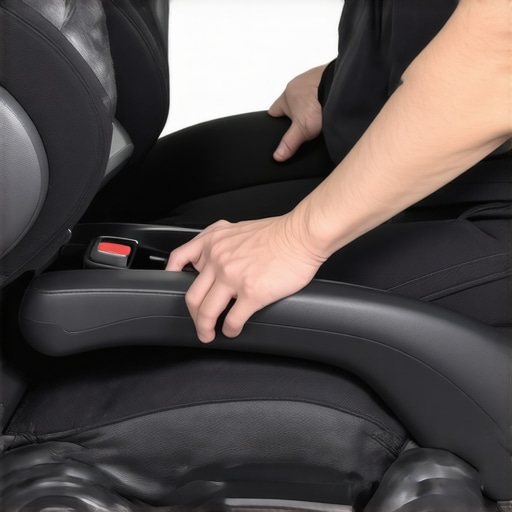
It was a typical Tuesday afternoon when I realized my long drives were turning into sessions of pain and discomfort. Sitting behind the wheel, I felt that familiar ache in my lower back, creeping up and spoiling my day. The lightbulb moment struck: my car seat wasn’t providing the kind of lumbar support I desperately needed, and I’ve been unknowingly neglecting this crucial aspect of my posture. This realization made me wonder—how many of us are driving around oblivious to the misalignment we’re causing for our spines?
The Importance of Proper Lumbar Support in Your Car
Many people underestimate how vital proper lumbar support is when it comes to daily driving. Our cars are often places where we spend hours at a stretch, yet adjusting the seat for comfort frequently takes a backseat—pun intended. Without adequate lumbar support, your lower back is left unsupported, leading to chronic discomfort, stiffness, and even long-term issues like herniated discs. Studies have shown that poor posture while driving is a significant contributor to back pain; in fact, according to the National Institute of Neurological Disorders and Stroke, prolonged poor seating posture can increase the risk of spinal disc degeneration.
I made the mistake early on of neglecting this detail, thinking a simple seat adjustment was enough. Trust me, that was a rookie move. The small adjustments I thought were adequate didn’t address the root of my discomfort, and I continued to suffer. It wasn’t until I started paying closer attention and customizing my car seat that I saw a real difference. That’s why I’m here—to help you avoid the pitfalls I fell into.
If you’ve ever felt your back tightening after a long drive or found yourself leaning awkwardly to relieve discomfort, then you’re not alone. Many folks are unaware that a few simple tweaks can make a world of difference in maintaining healthy spinal alignment and preventing pain. Over the coming sections, I’ll walk you through practical steps based on my experience that will help you optimize your lumbar support and transform uncomfortable drives into restful journeys.
Ready to learn how to turn your car seat into your back’s best friend? Let’s dive into the exact adjustments you can make today to reclaim comfort and health on the road.
Adjust Your Seat Height and Distance for Optimal Comfort
Start by setting your seat height so that your hips are level with or slightly above your knees. This position reduces strain on your lower back, much like properly balancing a book on your head prevents it from toppling. For my own experience, I once overlooked this step, resulting in a persistent ache. After adjusting seat height, I felt immediate relief, like releasing tension from a tightrope.
Align Your Backrest for Proper Lumbar Support
Lean your seat back slightly — about 100 to 110 degrees. This angle mimics the natural curve of your lumbar spine, akin to the gentle bend of a question mark supporting your posture. I once spent 15 minutes fiddling with the recline, but when I finally found that sweet spot, my lower back thanked me — a moment of real comfort amidst long drives.
Use a Lumbar Roll or Cushion Effectively
Place a lumbar roll or small cushion behind your lower back, pressing firmly into the curve. Think of it as a pillow cradling your spine’s natural arch. I experimented with different cushions, and discovering the right firmness transformed my driving experience, turning a stiff back into a relaxed one. For more detailed guidance on perfecting your spinal alignment, check out effective posture tips.
Adjust the Seat Depth and Tilt
Slide your seat forward or backward so that your knees are slightly bent at about a 120-degree angle. This position reduces pressure on your lower back, similar to how a well-designed chair supports your thighs without constriction. I recall leaning too far back once, which caused me to hunch forward over the wheel — a mistake that worsened my discomfort. Finding the right seat depth kept me upright and pain-free.
Ensure Your Feet Can Reach Pedals Comfortably
Your pedals should be accessible without stretching or pointing your toes excessively. Imagine your foot as a gentle lever, whole and relaxed, ready to press down without strain. I had a habit of overextending my ankle; after adjusting my seat height accordingly, pedal operation became effortless, easing tension in my lower back and legs. For a simple step to improve your mobility, explore mobility strategies.
Fine-Tune and Test Your Setup
Now, sit comfortably for a few minutes and pay attention to your back. Your spine should rest naturally against the support, with no pressure points or awkward angles. Shift slightly and notice any differences. Make incremental adjustments until your position feels like a custom-tailored suit for your spine. Remember, even small tweaks can significantly reduce pain, much like tuning a musical instrument enhances its harmony.
If persistent discomfort remains, consider incorporating specific exercises like seated stretches or daily spinal adjustments to complement your seat setup. Proper support not only alleviates pain but also cultivates long-term spinal health, making every drive more comfortable and safe.
When it comes to posture and back pain, many people cling to misconceptions that can actually hinder their progress. One pervasive myth is that maintaining a perfectly ‘correct’ posture is the key to avoiding pain. While good posture does matter, obsessively trying to hold a textbook-perfect stance often leads to stiffness and tension, which can be just as detrimental. In reality, dynamic movement and variability are essential for spinal health. Rigidly forcing your body into a static ideal can cause muscles to become overworked or imbalanced, increasing the risk of chronic discomfort.
Another common trap is the belief that pain is solely caused by poor posture, ignoring underlying issues like muscle weakness, joint mobility, or nerve sensitivity. For example, someone might straighten their back excessively to ‘correct’ slouching, but this can actually compress nerves or strain muscles if they lack the necessary flexibility or strength. This oversimplification ignores the nuanced interplay between mobility, stability, and neural health. For a deeper understanding of typical pitfalls, explore posture correction secrets.
Beware of the myth that pain always signals damage, prompting many to avoid movement altogether. That approach can backfire, as gentle, controlled movements are often the best medicine, promoting circulation and flexibility. In fact, immobilization can lead to stiffness and weaken muscles supportive of the spine over time. The key is to distinguish between harmful strain and safe activity. For advanced insights, consider reading daily spinal adjustments that balance activity with recovery.
Speaking of nuances, many mistakenly believe that advanced techniques like cracking or popping joints are necessary for relief. While temporary relief may occur, excessive or improper manipulation can cause joint instability or tissue irritation. Skilled practitioners understand how to fine-tune joint and muscle function without forcing unnatural movements. This underscores why consulting a professional and adopting a comprehensive approach that includes mobility work is beneficial.
Now, for the question that often puzzles even experienced movers:
Why do some people improve their posture but still experience pain?
This highlights that posture isn’t the entire story. Factors such as muscle endurance, neuromuscular control, and habitual movement patterns play significant roles. For instance, you might achieve an aligned position at rest, but if your movement habits—like how you get in and out of the car—are flawed, pain can persist. Incorporate functional training and daily adjustments, see routine spinal alignment tips, to address this complexity. Remember, understanding these nuances can prevent setbacks and promote long-term back health. Have you ever fallen into this trap? Let me know in the comments and share your experience.
Maintaining good posture and back health isn’t a one-time effort; it requires the right tools and consistent practices. Over the years, I’ve refined my setup with specific equipment and routines that keep me aligned and pain-free. A key aspect is investing in a high-quality ergonomic lumbar support cushion, which I personally use in my car and office chair. Unlike generic cushions, my choice is an adjustable roll that conforms to my lumbar curve, facilitating sustained support and encouraging proper spinal alignment. Additionally, I rely on posture correction software like Upright GO, a wearable device that provides real-time feedback on slouching habits, helping me develop awareness and reinforce better positioning throughout the day. This device syncs with a mobile app, allowing me to track progress and set gentle reminders to check my posture, which aligns with studies emphasizing the importance of biofeedback in habit formation. Learn more about daily spinal adjustments.
Another game-changer has been incorporating mobility tools such as flexibility straps, which assist in improving range of motion and addressing muscle imbalances that contribute to poor posture. I personally use a resistance band with handles during my morning routines to gently stretch my pectoral and hip flexor muscles—areas commonly tight from prolonged sitting. Regularly performing targeted stretches not only relieves current discomfort but also builds resilience against future issues. For evolving trends, I anticipate that smart, AI-driven posture coaching will become more mainstream, offering personalized routines based on real-time analysis of movement patterns.
How do I maintain long-term back support and mobility improvements?
Consistent check-ins are essential. I schedule weekly sessions of mobility exercises outlined in mobility strategies for moving without pain and review my setup. Investing in quality tools like adjustable lumbar supports, biofeedback devices, and mobility gear creates an ecosystem that promotes ongoing health. A well-maintained approach means less reliance on constant therapy and a greater focus on preemptive care. Dive into these practices and consider integrating a simple yet effective tip: use a resistance band to perform dynamic stretches during your day to counteract stiffness. For thorough guidance, explore the poster correction secrets that have empowered many to sustain their improvements. With patience and the right tools, your posture can stay aligned, resilient, and pain-free for years to come.
3 Surprising Truths I Only Learned Through Personal Struggle
One of the biggest lightbulb moments came when I realized that constantly striving for a ‘perfect’ posture was actually making my back worse. I used to think that holding a flawless pose was the goal, but I discovered that flexibility and gentle movement are far more beneficial than rigidity.
Another lesson was recognizing that supporting my lumbar region isn’t just about adding a cushion. It’s about cultivating awareness—tuning into how I sit, move, and even breathe during my drives. Mindfulness about these habits unlocked consistent relief.
Lastly, I learned that simple routines, like dynamic stretches during long drives, can dramatically prevent discomfort. Incorporating mobility exercises into my daily schedule created signals to my body that it’s okay to move, which kept pain at bay and improved overall mobility.
My Go-To Resources for Maintaining Back Health and Mobility
I’ve come to trust Daily Spinal Adjustments for tailored tips that fit into any busy schedule. The Mobility Mastery guide became my foundational reference for strengthening and loosening key muscle groups. For ongoing motivation, I turn to Expert Mobility Tips 2025, which keeps me ahead of the curve with innovative techniques. These tools support my long-term commitment to back health, ensuring I stay active and pain-free too.
Your Path to Lasting Change Starts Now
Remember, transforming your back health isn’t about overnight perfection—it’s about consistent, mindful adjustments. Your journey to pain-free mobility begins today, with small improvements that build into long-lasting habits. Embrace the process, listen to your body, and take proactive steps to support your spine. Each move you make is a step toward a stronger, healthier back that can handle whatever life throws your way.
What’s one small change you’re ready to implement today to improve your posture or reduce back pain? Share your plan below—I’d love to hear how you’re taking charge of your back health!