
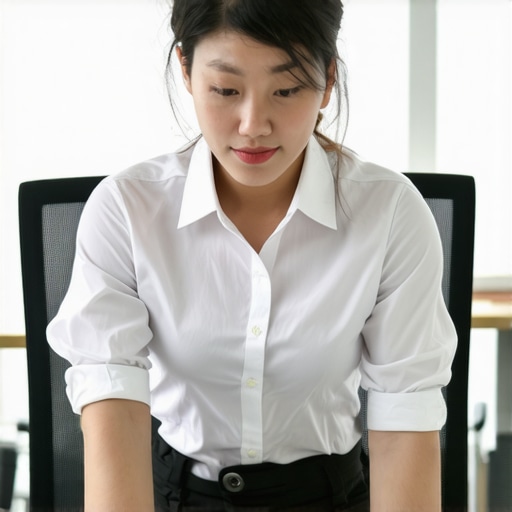
Ever caught yourself slouching at your desk, only to find that hours later, your lower back feels stiff and achy? Or maybe you experience that nagging tightness after a long day of sitting, as if your spine is protesting every minute you spend hunched over your keyboard. I remember the lightbulb moment when I realized it wasn’t just my posture—there was a deeper culprit lurking inside me, quietly pulling the strings: my psoas muscle.
The Real Reason Your Back Hurts Most Days
Could a Tiny Muscle Be Causing Big Discomfort?
Many office workers overlook their psoas because it’s tucked deep inside, hidden beneath layers of other muscles. Yet, this small but powerful muscle plays a vital role in hip flexion and stabilizing your lower spine. When it’s tight or imbalanced, it can pull your pelvis forward, leading to poor posture and chronic back pain. Early in my journey, I made the mistake of focusing solely on stretching my back, thinking it was the root of the problem. But that only provided temporary relief, and the pain stubbornly returned. It wasn’t until I learned about the importance of freeing my psoas that I started seeing genuine progress. If you’re like I was, battling recurring back issues, this might just be your missing piece.
Is Psoas Release Actually Worth the Hype?
Honestly, I was skeptical at first. The idea of targeting a muscle that’s deep inside seemed complicated, and I wondered if the benefits were overhyped. I also recall an early mistake—using generic stretches that didn’t address the root cause, which only made me more frustrated. But after experimenting with simple techniques that focus on releasing tension in the psoas, I noticed a tangible difference. The discomfort diminished, and my posture improved significantly. So yes, giving your psoas some much-needed attention is absolutely worth the effort. Want to unlock relief and move more freely? Let’s dive into how you can do it yourself, starting today.
Start with Gentle Breathing and Awareness
Before diving into physical techniques, sit comfortably and take a few deep breaths, focusing on tuning into your lower abdomen and hips. This helps you become aware of tension and prepares your muscles for release. I remember a time when I initially tried to stretch without this awareness, which led to frustration. Once I paused to breathe and check in, I could target my efforts more effectively, leading to better results.
Use Self-Myofascial Release Tools
Apply a Soft Massage Ball
Lie face up and position a massage ball just below your ribs near the front of your hips. Gently roll back and forth, targeting tight spots in your psoas area. Start with light pressure and gradually increase as tolerated. Start slow, and don’t push into painful areas—this is about release, not pain. When I first tried this, I felt immediate relief in my hips, even with a bit of messy movement. Regular practice helped my muscles relax over time.
Stretch Key Hip Flexor Areas
Perform a Controlled Lunging Stretch
Step one foot forward into a lunge position, keeping your back leg extended. Engage your core and gently tilt your pelvis downward to feel a stretch in the front hip. Hold for 20-30 seconds, then switch sides. I found that focusing on slow, deliberate movements prevented overstretching, which can aggravate tightness. Combining this with my self-massage routine made a real difference in easing hip tightness.
Activate Opposing Muscles for Balance
Strengthening your glutes and core helps alleviate pressure on the psoas. Incorporate bridges, planks, and clamshells into your routine. These exercises gently bolster posterior chain muscles, encouraging balanced tension. I added these to my daily routine and noticed that my pelvis stayed better aligned, reducing lingering back discomfort.
Apply Consistent Posture Adjustments
Throughout your day, regularly check your position. Sit with your feet flat, knees at 90°, and avoid slouching. Simple cues like setting reminders or using ergonomic accessories can reinforce good habits. I started with small tweaks, like elevating my monitor and adjusting my chair, which cumulatively prevented my psoas from tightening excessively.
Incorporate Daily Mobility Movements
Daily movements like hip circles, leg swings, and gentle twists can maintain flexibility. These routines keep the muscles from stiffening and support muscle balance. I dedicated five minutes each morning to these, and my overall back comfort improved noticeably. For more tailored routines, exploring mobility exercises can give you additional ideas.
Follow Up with Posture Corrections
Implementing consistent adjustmentsbased on posture correction secrets ensures lasting relief. Small practices like standing desks or lumbar supports can prevent your psoas from becoming chronically tight. Remember, it’s about integrating these into your routine so they become second nature.
By systematically releasing tension, strengthening opposing muscles, and maintaining awareness, you create a balanced environment for your psoas to function optimally. This approach not only alleviates back pain but also enhances your overall mobility and posture, enabling you to move with confidence every day.
Many people believe that straightforward stretches, like touching your toes or doing daily backbends, are the ultimate cure for persistent back pain. But in reality, these so-called simple solutions often overlook the underlying complexities of spinal health. For instance, a common myth is that all back pain results from muscles that are too tight—that stretching is always the answer. However, expert studies reveal that sometimes, the issue lies in insufficient mobility of specific joints or imbalances in deeper stabilizers, which stretching alone can’t fix. An advanced mistake many make is assuming that every adjustment or correction has immediate, long-term effects. In truth, the body’s response to spinal adjustments can be nuanced, involving neuromuscular reprogramming that requires consistency over time. Additionally, a trap to avoid is relying solely on passive techniques like massages or adjustments without integrating active movement and posture habits. For example, research from Harvard Health underscores that posture correction requires a combination of manual therapy and active strengthening routines to sustain improvements, not just one-off treatments.
Tools That Make a Difference in Your Back Care Routine
Maintaining your back health over the long term requires more than occasional stretches; it calls for the right equipment and consistent maintenance habits. One of my favorite tools is a quality massage ball, specifically the deep-glute massage ball. I use it daily to target stubborn tension points in my glutes and hips, which directly influence my lower back. The ease of applying focused pressure helps me release built-up fascia and muscle knots that often contribute to pain and stiffness.
Another indispensable tool is a lumbar roll, which I place in my office chair to promote proper spinal alignment during long work hours. Correct posture is the foundation of lasting relief, and integrating a lumbar support ensures I avoid slipping into poor positioning that can aggravate my psoas and lumbar muscles. Additionally, I recommend a sturdy foam roller with firm density—its role in my routine is to perform gentle self-myofascial release on my upper back and thoracolumbar fascia, further supporting mobility and proper muscle length.
In the tech department, I rely on posture correction software such as software that prompts posture adjustments. These tools send gentle reminders to sit upright and adjust your position, making it easier to stay aligned throughout the day. Consistent reminders work as a form of active maintenance, especially when combined with physical adjustments.
Predicting the Future of Back Maintenance Tools
Looking ahead, I predict a rise in wearable tech that seamlessly integrates biofeedback to monitor muscle tension and posture in real-time. Imagine smart sensors embedded in clothing or wearable devices that alert you precisely when your psoas or other postural muscles become overly tight. Such innovations can personalize your routine, ensuring you’re addressing problems before they manifest as pain. Staying ahead with new tech can make long-term maintenance more intuitive and effective.
How do I keep my back healthy over time?
In my experience, combining targeted tools with daily habits is key. Regularly using a foam roller or massage ball to release tension, supporting proper alignment with lumbar rolls, and leveraging posture correction apps creates a comprehensive maintenance system. I also make it a point to review my routine every few weeks, adjusting tools and techniques as my body adapts. Consistency is essential, and prioritizing these small daily investments ensures your back stays resilient. For further tips on integrating these practices smoothly into your routine, explore daily spinal adjustments.
What I Wish I Knew About My Body’s Hidden Power
One of the most surprising lessons I discovered is that small muscles like the psoas have outsized impacts on pain and posture. Over time, I realized neglecting such deep muscles only delayed my healing. Now, I understand that true relief comes from listening to these hidden signals and addressing them head-on.
Another insight was the importance of patience. Immediate stretches or quick fixes rarely brought lasting change. Consistent, gentle release and strengthening routines, though slower to show results, built a solid foundation for pain-free movement.
I also learned that a holistic approach beats isolated exercises. Combining self-myofascial release, active mobility, and posture awareness created a synergy that transformed how I feel daily. This integrated mindset is a game-changer for anyone fighting chronic back issues.
Lastly, I discovered that empowering myself with knowledge—like understanding how the psoas influences my pelvis—turned my pain management from frustration to confidence. Sharing these lessons, I hope you find your own path to lasting movement freedom.