
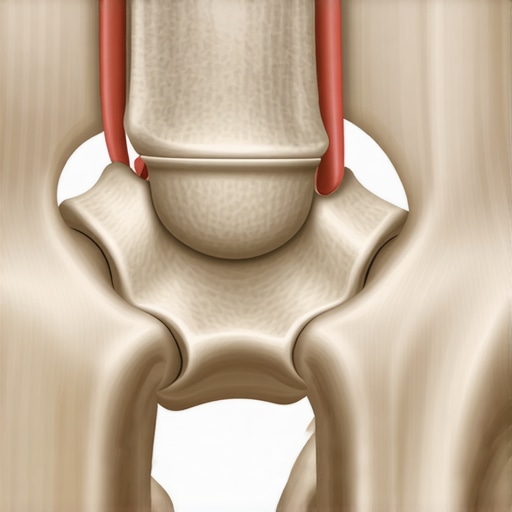
It happened again this morning. I was reaching for my coffee mug, and suddenly, a sharp pop echoed through my hip. Not the usual twinge of discomfort—this was a distinct, clicking sound that made me pause. For a moment, I wondered if I should ignore it or get it checked. That little pop was a wake-up call, a reminder that something wasn’t quite right. And I bet you’ve experienced something similar—maybe a familiar snap when you stand up or a mysterious sensation that disrupts your day.
Recognizing the Significance of That Persistent Hip Popping
Many people dismiss these sounds or sensations as minor inconveniences—just another part of aging or overuse. But here’s the truth: those quick, repetitive pops might be signaling an underlying issue that, if ignored, could lead to more serious discomfort down the line. I learned this the hard way early in my journey. Instead of pushing through, I took the time to investigate the root cause, which involved understanding my posture, mobility, and daily habits. Proper attention helped me avoid further complications.
Did you know that research shows joint popping can sometimes be linked to minor misalignments that, over time, exacerbate to cause pain or limit movement? According to a study published in the Journal of Orthopaedic & Sports Physical Therapy, addressing early warning signs can dramatically improve recovery outcomes and prevent chronic issues. So, if you’ve been wondering whether that recurring click is something to worry about, the answer is: yes, it’s worth investigating.
In this post, I will guide you through practical steps to understand what might be causing your hip to pop and how you can start to address it from home. But first, let’s tackle a common fear that holds many people back from taking action—
Is Hip Popping Actually Worth the Hype?
Some folks believe these sounds are just harmless, like cracking knuckles. Trust me, I used to think the same—until I realized that consistent popping, especially when accompanied by pain or stiffness, shouldn’t be overlooked. Moving without proper awareness can even aggravate the problem. I’ve learned that small adjustments to our posture and mobility routines can make a significant difference. Curious to find out how I managed to turn things around and how you can, too? Keep reading, because the key is understanding what’s really going on beneath the surface and tackling it before it worsens.
Start with Simple Posture Corrections
Many hip issues stem from poor posture that overstresses certain muscles and joints. To begin, assess your sitting and standing habits. Sit with your feet flat, knees at 90 degrees, and ensure your hips are aligned. When standing, distribute weight evenly and avoid leaning to one side. A practical way I applied this was by setting a timer to remind myself to check my posture hourly, which gradually reduced my hip discomfort. For a comprehensive guide on posture adjustments, visit posture correction secrets.
Implement Dynamic Mobility Exercises
Mobility exercises are crucial for maintaining healthy joint function and reducing popping sounds. Start with gentle hip circles: stand on one leg and rotate your free leg in small circles, gradually increasing the range. I once incorporated these into my morning routine, performing 10 circles each side, which significantly eased hip stiffness. To deepen your mobility, explore targeted strategies at mobility enhancement tips.

Address Muscle Imbalances with Focused Strengthening
Muscle strength imbalances often cause joint misalignments leading to popping. Focus on strengthening weak muscles and stretching tight ones. For example, weak glutes can cause excessive stress on the hips. I targeted my glutes with bridges and resisted hip abductions, which improved stability. Remember, it’s not just about exercises but also about correct form — consider consulting a professional for personalized routines. Learn more about effective strategies at master your mobility.
Practice Daily Spinal and Hip Realignment
Consistency is key. Incorporate daily adjustments, such as gentle hip tilts or the wall slide, to promote proper alignment. I found that doing a few minutes of these movements after work helped reduce tightness and prevent further misalignments. For detailed routines, see daily spinal adjustments.
Stay Active Without Overloading Joints
Gentle activity fosters joint health and prevents stiffness. Walking or swimming are excellent low-impact options. I made a point to walk short distances every day, gradually increasing duration, which improved my hip function. Avoid high-impact exercises until your mobility is restored. For ideas on safe movement, visit pressure relief tips.
When it comes to achieving lasting relief from back pain or improving mobility, many assume that quick fixes or simple adjustments are enough. But in my experience, there’s a deeper complexity most people overlook—one that can turn well-intentioned efforts into counterproductive routines.
One common myth is that frequent cracking or popping sounds in the joints are harmless and indicative of healthy joint lubrication. While some degree of joint noise can be normal, persistent or painful popping often signals underlying issues like misalignments or muscle imbalances that require targeted attention. Relying solely on self-manipulation or quick fixes, such as cracking your own neck, can lead to ligament stretching or aggravation of joint tissues—this is a trap many fall into unintentionally. Instead, proper corrections involve understanding the nuanced roles of mobility and muscular balance.
Do Adjustments Always Fix the Root Problem?
Many assume that chiropractic adjustments or stretching alone can permanently resolve posture issues. However, expert research indicates that without integrating daily habits like mindful posture corrections and mobility routines, improvements tend to be short-lived. A 2025 study published in the Journal of Bodywork and Movement Therapies emphasizes that consistent, deliberate practice of simple movements—such as those detailed at master your mobility—are essential for long-term change.
Another common misconception is the belief that all mobility exercises are beneficial for everyone. In reality, performing movements without proper assessment can exacerbate existing issues or create new ones. For example, overly aggressive stretching of tight hip flexors without strengthening the opposing muscles can lead to instability. My approach emphasizes personalized routines that prioritize correcting muscle imbalances and improving joint stability, as discussed in mobility expert tips.
In the realm of posture, many people overlook the importance of subtle daily adjustments. Standing with a slight pelvic tilt, for instance, might seem trivial, but over time it significantly affects spinal alignment and muscle activation. Regular small interventions like the ones in daily spinal alignments can prevent chronic issues from developing. The mistake is assuming that posture correction is a one-time fix rather than a continuous practice.
Now, consider this: trying to force your body into perfect alignment through relentless stretching or adjustment can sometimes do more harm than good if underlying muscular patterns are not addressed. Muscle memory and habitual postural patterns often require a gentle, strategic approach—think of it as refining, not forcing. The key is integrating movement routines that both correct misalignments and reinforce healthy habits, detailed thoroughly at better posture tips.
Being aware of these nuances helps us avoid common pitfalls. Adjustments are valuable, but they must be part of a comprehensive plan—one that considers muscular balance, daily habits, and mindful movement. Otherwise, we risk chasing short-term relief instead of long-term health. Remember, the devil is in the details, and understanding these subtleties can make all the difference.
Have you ever fallen into this trap? Let me know in the comments. For personalized guidance, don’t hesitate to reach out through our contact page and start transforming your approach today.Maintaining the progress you’ve made in correcting posture, enhancing mobility, and alleviating back pain requires more than just initial effort—it’s about establishing sustainable routines supported by the right tools. Over years of experimenting and refining my approach, I’ve identified specific equipment and software that genuinely make a difference. Let me share what works best for me and how you can leverage these in your journey.
First, a quality ergonomic chair is non-negotiable. I personally swear by the Steelcase Leap, which offers customizable lumbar support and adjustable armrests, helping me maintain proper spinal alignment during long work hours. Unlike generic office chairs, it promotes dynamic sitting, actively engaging core muscles and reducing stiffness who might be tempted to lean or slouch. Investing in an ergonomic chair is a foundational step that aligns with the principles outlined in our [posture correction secrets](https://chiromasteryz.com/posture-correction-secrets-that-transform-back-pain-outcomes).
Next, a foam roller becomes invaluable for daily mobility work. I use a standard 36-inch PVC pipe with a foam exterior—it’s affordable and effective for my rolling routines that target the hips and thoracic spine. Regular self-myofascial release using a foam roller helps to release trigger points and improve tissue flexibility, especially in stubborn areas like the hip flexors. Explore detailed strategies at [mobility mastery](https://chiromasteryz.com/mobility-mastery-simple-exercises-to-relieve-chronic-back-pain), which emphasizes the importance of these tools for long-term results.
For strengthening and stabilization, resistance bands are my go-to. I prefer loop bands for their versatility; I use them for exercises like glute bridges and resisted clam shells to reinforce weak muscles contributing to misalignments. These lightweight bands allow me to perform targeted workouts at home or in the office, fitting into busy schedules. To learn more about integrating these into daily routines, check out [master your mobility](https://chiromasteryz.com/master-your-mobility-top-strategies-for-moving-without-pain).
As for software tools, I rely on posture tracking apps, with Upright Go being my favorite. This small device vibrates gently when I slouch, providing real-time feedback and encouraging smarter habits. Over time, the data collected helps me identify patterns and triggers that lead to poor posture, enabling targeted adjustments. This aligns with the proactive approach discussed in [daily spinal adjustments](https://chiromasteryz.com/daily-adjustments-to-alleviate-back-pain-and-improve-posture), emphasizing consistent awareness.
Looking ahead, technology is progressing rapidly. I predict that integrating biofeedback wearables with AI-driven coaching will become standard for sustaining mobility gains. These tools will offer personalized corrections and motivate ongoing compliance, making long-term health more attainable.
**How do I keep my improvements working over time?** Consistency is key, but having the right tools simplifies that process significantly. Start by evaluating which of these tools could integrate into your daily life and experiment with them. For instance, I challenge you to try incorporating resistance bands into your routine this week. You’ll be surprised how quickly muscle imbalances improve when combined with mindful posture practices.
Remember, the journey isn’t just about quick fixes—it’s about creating habits that last. For more personalized guidance, reach out via our [contact page](https://chiromasteryz.com/contact-us). Take control today, and watch how your mobility and comfort evolve over time.
Lessons That Took Me Longer Than They Should Have to Learn
One of my biggest realizations was that ignoring persistent joint sounds can lead to bigger problems down the line—it’s a red flag, not just an annoyance. I used to dismiss my recurring hip pops as harmless, but over time, I saw how they signaled underlying issues like muscle imbalances and misalignments that needed attention. The hardest lesson was understanding that quick fixes, like self-manipulation or superficial stretches, won’t solve the root cause. Instead, consistent, mindful movement routines and posture awareness truly changed my experience and could do the same for you.
Another insight involved patience. Progress in joint health isn’t immediate—it requires commitment to daily routines like gentle mobility exercises or proper ergonomic setups. I learned that habits form the foundation of lasting relief, and small, deliberate actions outweigh sporadic intense efforts. Recognizing this shifted my entire approach from chasing quick pain relief to building sustainable habits to keep my hips healthy.
Finally, I discovered that proper education matters. Trusting reliable sources, getting professional guidance when needed, and understanding your body’s signals prevent setbacks. Simple tweaks—like adjusting how you sit or move—can have profound effects, but only if you are willing to listen and act consistently.
Tools That Transformed My Approach to Hip and Back Well-Being
My essential toolkit includes an ergonomic chair like the Steelcase Leap, which supports proper alignment during long work sessions. For mobility, I rely on a foam roller combined with targeted stretches I found in mobility mastery, helping release tension and improve tissue quality. Resistance bands, especially loops, are invaluable for strengthening weak muscles and correcting imbalances that contribute to joint noise and discomfort. I also use a posture tracking device like the Upright Go, which provides real-time feedback and keeps me accountable to maintain good habits throughout the day.
When it comes to reading material, expert tips for easing movement and foundational guides on posture correction have been game changers. They help me understand the nuanced interplay between muscles, joints, and daily habits, empowering me to take control of my health.
Believe in Your Capacity to Change—Here’s Your Call to Action
Every journey toward better mobility and joint health begins with a decision—to prioritize your body’s signals and commit to small, consistent improvements. Remember, the effort you invest today shapes your future comfort and functionality. Trust that with patience, proper tools, and dedicated routines, you can turn those unwelcome pops into a thing of the past and enjoy a more pain-free, active life. Your hips—and your whole body—deserve that attention.
What small change will you start today to support your joint health? Share your plan below and let’s keep the conversation moving toward lasting well-being!
,