I remember the exact moment I realized my old sitting habits were secretly wrecking my back. I was stuck in my usual slouch, feeling that uncomfortable simmering pain pressing right into my tailbone, and a thought hit me—this can’t be normal, right? After hours of researching and experimenting with different postures, I stumbled upon a simple yet game-changing sitting technique that finally relieved that persistent tailbone ache. If you’ve ever experienced that dull, nagging pressure when sitting for long periods, you’re not alone—and I get it.
The Hidden Culprit in Your Seating Habits
Despite countless ergonomic chairs and fancy cushions, many of us still struggle with tailbone discomfort. The truth is, most traditional sitting postures actually put unnecessary strain on your coccyx, especially when your pelvis tilts forward or backward in a way that you’re not even aware of. This misalignment not only causes pain but also contributes to longer-term posture issues.
Few people realize that how you position your hips and pelvis when sitting plays a crucial role in spinal health. Small adjustments can make a big difference, and that’s what I want to share today. Imagine sitting comfortably without feeling that constant tailbone pressure—sounds like a dream, right? Well, it’s more achievable than you think.
Want to learn a sitting method that truly alleviates pressure points? I’ll guide you through the exact technique I adopted, based on my personal journey and backed by expert advice. You’ll be surprised at how simple tweaks can transform your experience. And for those who suspect their posture might be off, consider checking out some tips on posture correction secrets that can help you identify other hidden misalignments.
But before jumping into the fix, let’s address one of the biggest fears I hear from people like you: “Is changing my sitting style really worth the effort?” That’s a valid concern. I used to think so too—until I experienced the relief firsthand. It’s not just about comfort; it’s about protecting your spine and avoiding chronic pain down the road. Research shows that poor posture and improper sitting can increase the risk of back and tailbone pain (source: National Institute of Neurological Disorders and Stroke). So yes, making this change is absolutely worth it.
Now, are you ready to discover the specific way to sit that stops tailbone pressure once and for all? Great! Let’s dive into the practical steps that can help you sit smarter and feel better.
Positioning Your Pelvis for Comfort
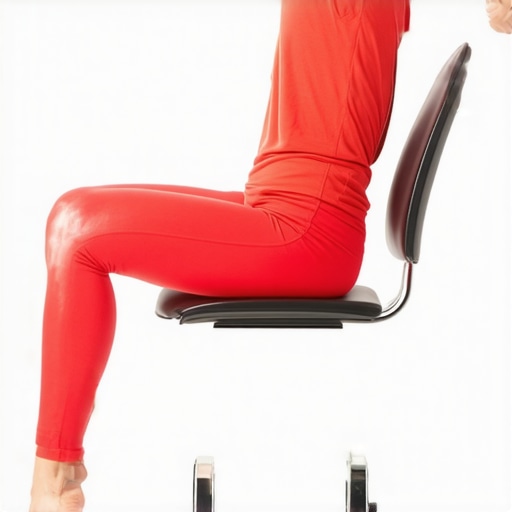
Start by sitting on the edge of your chair, ensuring your hips are slightly higher than your knees, like a gentle tilt forward. Imagine your pelvis as a bowl of water; you want to keep it level without spilling forward or backward. During my messy trial, I found that adjusting my seat height slightly higher took the pressure off my tailbone immediately, transforming my sitting experience.
Engage Your Core for Stability
Activate your abdominal muscles gently—think of pulling your belly button inward—without holding your breath. This core engagement supports your lower back and encourages proper pelvis alignment. Doing this consistently helps prevent slouching, which often causes tailbone discomfort, as I realized after practicing this during long meetings.
Shift and Micro-Move Regularly
Don’t stay static for too long. Every 20 minutes, gently shift your weight forward, backward, and side to side. Think of it as tilting a boat slightly to balance it out—small movements prevent wobbles that cause pressure points. I remember a day when I set a timer for these micro-movements; within days, my tailbone pain reduced significantly, and I felt more energized.
Use a Supportive Cushion Correctly
If you use a cushion, position it so that it elevates your hips just enough to keep your thighs parallel to the floor. Avoid thick cushions that tilt your pelvis backward, increasing tailbone pressure. I experimented with different cushions—finding that a flat, firm one positioned properly meant my tailbone no longer bore the brunt of my sitting.
Incorporate Dynamic Sitting Techniques
Practice sitting in a way that mimics gentle movement. For example, try sitting cross-legged for short periods or alternating between sitting and standing. These variations mimic natural movements, reducing strain on the coccyx. I incorporated this during work, finding that frequent posture shifts kept my tailbone comfortable and my back healthy.
Integrate Daily Mobility and Stretching Routines
Complement your sitting technique with daily mobility exercises focused on your hips and pelvis. Simple stretches like hip circles or the hip mobility drills improve flexibility and reduce pressure buildup during prolonged sitting. I dedicated 5 minutes each morning, which noticeably lessened my tailbone discomfort throughout the day.
Commit to Consistent Postural Checks
Set alarms or reminders to evaluate your posture regularly. Think of it as calibrating a machine—small, consistent check-ins prevent misalignments. Over time, this habit becomes second nature, ensuring your pelvis remains in an optimal position and your tailbone stays free from unnecessary pressure.
While many believe that simple stretches or adjusting their chair height will fix chronic back issues, the truth is far more nuanced. Most people get caught up in surface-level fixes, neglecting deeper biomechanical patterns that dictate long-term health. For example, a common myth is that tight hamstrings are the root cause of back pain; however, recent studies suggest that hamstring tension often reflects compensatory muscle patterns rather than primary causes, emphasizing the importance of addressing core stability and pelvic alignment instead. This misconception leads many to perform endless stretching routines, which can sometimes worsen their condition if not combined with mobility and posture corrections.
What advanced biomechanical factors are often overlooked in back pain treatment?
Many practitioners overlook the intricate relationship between pelvic tilt, diaphragm function, and spinal stability. Analyzing these factors can uncover subtle misalignments that perpetuate pain cycles. For instance, research indicates that improper diaphragm mechanics influence pelvic positioning, indirectly affecting spinal health (source: Journal of Bodywork and Movement Therapies). Therefore, strategies focusing solely on local muscles without considering global movement patterns risk only temporary relief. Additionally, proactive daily adjustments—like mindful breathing and micro-movements—are crucial in retraining the nervous system, fostering sustainable improvements. If you’ve been stuck in misguided routines, I recommend exploring daily spinal adjustments that go beyond basic stretching. Remember, effective back pain management hinges on understanding these complex, often hidden, dynamics. Have you ever fallen into this trap? Let me know in the comments and share your experiences!
Maintaining Your Progress with the Right Tools
After investing time in correcting your posture and adopting healthier sitting habits, it’s crucial to have reliable tools that support sustained results. I personally rely on a few key pieces of equipment and software that help me stay on track and monitor my progress.
One of my favorite tools is a high-quality ergonomic seat cushion. I prefer the Everlasting Comfort Memory Foam Seat Cushion, which I use daily at my desk. Its firm support and memory foam contour keep my pelvis aligned throughout the day, reducing pressure on the tailbone and encouraging proper posture. I’ve found that investing in a supportive cushion tailored to my body shape made a noticeable difference in preventing reversion to old habits.
In addition, I utilize posture reminder apps like daily spinal adjustments. These apps send gentle alerts reminding me to check my posture every 20 minutes. Consistent micro-corrections prevent misalignments and help develop muscle memory over time. Such digital cues are invaluable for those working long hours or who tend to forget to self-correct.
Tracking Progress and Long-Term Results
To gauge how well I’m maintaining my progress, I periodically perform the single-leg stability test. This simple movement highlights weaknesses in pelvic stability that could lead to pain recurrence. Recording these assessments helps me identify areas needing additional focus, ensuring I don’t slip back into poor habits.
Another strategy I recommend is keeping a dedicated journal or digital log of your daily habits, discomfort levels, and mobility exercises. Over weeks or months, this overview reveals patterns and the effectiveness of your routine adjustments, empowering you to make informed changes.
Preparing for Scaling and Future Growth
As your body adapts, it’s natural to want to scale your efforts. This might involve adding simple strength training exercises, like core stability routines or mobility drills, into your schedule. For example, I incorporate mobility mastery techniques that increase flexibility and sustain spinal health.
Looking ahead, I believe that wearable tech, such as posture sensors integrated into clothing, will become mainstream. These devices can provide real-time feedback on your alignment, making long-term maintenance even more seamless and customized. Already, companies are developing smart posture trainers that vibrate gently when you deviate from optimal positioning, creating an interactive way to reinforce good habits.
How do I maintain back health over time?
The key is consistency. Incorporate your tools—like supportive cushions, reminder apps, and movement assessments—into your daily routine. Regularly review your progress and adjust your exercises as needed, ensuring you adapt to your evolving body. Remember, prevention is ongoing; small, consistent actions now will save you from future pain and discomfort. Try integrating a mobility drill or a micro-correction routine today to start building that resilient, pain-free back.

The Hardest Lesson I Learned About Back Pain and Posture
After years of trial and error, I realized that quick fixes and surface-level interventions only provide temporary relief. True progress came when I looked deeper into my biomechanical patterns, understanding that real change requires addressing core habits—like how I sit, breathe, and move throughout the day. This lesson taught me patience and consistency, reinforcing that sustainable back health is a journey, not a quick fix.
3 Myths About Back Pain and Posture That Held Me Back
I used to believe that stiffness and pain were solely my body’s way of telling me to stretch more or buy expensive cushions. Turns out, many common misconceptions—like hamstring tightness being the root cause—distracted me from the real culprits: pelvic misalignment and faulty movement patterns. Debunking these myths helped me focus on targeted adjustments that truly matter, saving me time and frustration.
What Experts Won’t Tell You About Long-Term Back Wellness
Many professionals emphasize isolated exercises, but I discovered that integrating daily mobility routines and micro-corrections—like sitting with optimal pelvis positioning and engaging my core consciously—were game-changers. These subtle habits, reinforced over time, created a resilient foundation that prevented setbacks. The real secret is consistent small actions that integrate seamlessly into everyday life.
My Essential Toolkit for Back Posture and Mobility
Over the years, I have come to rely on specific tools that support my back health. The posture correction secrets guide helped me understand how awareness and adjustments make all the difference. Additionally, a supportive ergonomic cushion like the Everlasting Comfort Memory Foam Seat Cushion keeps my pelvis in a neutral position, reducing tailbone pressure and encouraging proper alignment. Incorporating these tools into my routine boosted my confidence and consistency.
For ongoing support, I use reminder apps that prompt micro-movements and posture checks, which cement healthy habits. Plus, tracking my progress with simple stability tests ensures I stay aligned and can address any imbalances before they escalate. These integrated strategies create a comprehensive approach to lasting back health.
Step Into a Pain-Free Future with Mindful Action
The journey to better back health isn’t about extraordinary effort but consistent, mindful choices. Small daily habits—like micro-corrections, targeted mobility exercises, and conscious sitting—compound into significant improvements over time. Believe me, you can reclaim comfort and resilience in your back by embracing these habits today. Ready to turn your sitting routine into a powerful tool for wellness? Your future self will thank you.