
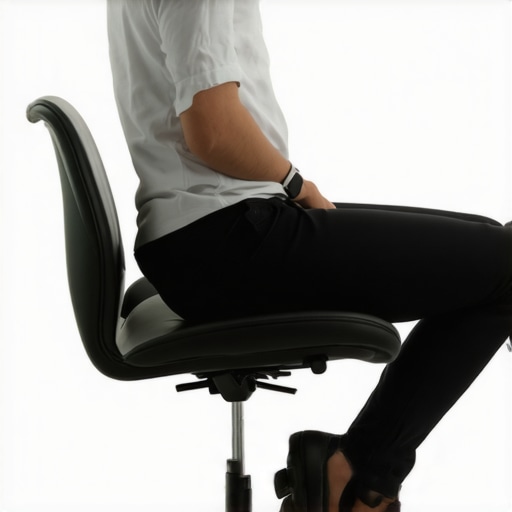
Ever had that sudden, stabbing pain in your lower back after a long day at the computer? I used to sit for hours, thinking it was just part of the job. One day, I reached a breaking point — my back was so stiff and sore that even standing up felt like a chore. It was then that I realized I was missing a tiny, yet powerful secret: a simple pelvic tilt that can make sitting pain-free. Today, I’ll share how this small adjustment transformed my daily comfort and how it can do the same for you.
The Power of a Tiny Postural Change
Sitting for prolonged periods isn’t just uncomfortable — it can set the stage for chronic back issues. I was always skeptical about small posture tweaks; I thought they’d make minimal difference. But when I finally paid attention to how I was seated, I noticed my pelvis tucking forward, causing my lower back to arch excessively. That’s when I started experimenting with a simple pelvic tilt — gently tilting my pelvis backward to align my spine naturally. The result? Reduced tension, better posture, and hours of sitting without pain.
Implementing this tilt was like flipping a switch. No fancy equipment or expensive chairs needed. Just awareness and a tiny adjustment. Still unsure? Stick with me—by the end of this post, you’ll see that this small change is exactly what you’ve been missing. Want a quick preview of how to start? Reach out to an expert for personalized guidance, or dive into our tips on mobility strategies to keep moving painlessly.
Is the Pelvic Tilt Actually Worth the Hype?
Early on, I made the mistake of overcorrecting my posture, which led to new discomfort. That’s a common slip — going too far, too fast. The key is a gentle, mindful tilt that feels natural. Once I learned that, I saw real improvement. Researchers agree that small, consistent adjustments can have a huge impact on back health and posture (source: National Institutes of Health). So, if you’ve been skeptical, this is your sign to test it out — risk-free and straightforward. Ready to explore how this simple tilt can become your daily relief? Let’s get started.
Start with Awareness: Feel Before You Tilt
During a typical workday, I caught myself slouching without realizing it. One afternoon, I paused and took a moment to notice how my pelvis and lower back felt. To do this, sit comfortably, then gently rock your hips forward and backward, noticing where tension builds or releases. This simple awareness sets the foundation for effective adjustment.
Align Your Pelvis: The Basic Tilt Technique
Lie flat on your back with knees bent, feet flat on the floor. Place one hand under your lower back. Gently tuck your pelvis under, pressing your lower back into the floor, as if trying to flatten the curve. Hold this for 5 seconds, then release. Repeat 10 times. When sitting, replicate this motion by consciously tilting your pelvis backward, engaging core muscles to maintain the position.
Integrate the Tilt into Daily Sitting
Set a reminder to check your posture every 15 minutes. When you notice your pelvis tilting forward, consciously tilt it back, tucking your tailbone slightly. Think of your pelvis as a wheel that needs to stay level — avoid exaggerating the tilt, aiming for subtlety. Over time, this reprograms muscle memory, reducing strain.
Combine with Breath and Core Engagement
As you tilt your pelvis, deepen your breath, filling your belly, not just your chest. Engage your abdominal muscles gently, as if bracing for a light punch. This adds stability and reinforces correct posture. I vividly recall a time I paired pelvic tilts with diaphragmatic breathing during a long stretch break; within minutes, my lower back felt noticeably released.
Practice with Standing and Movement
Standing desks offer a chance to practice tilting your pelvis. Stand tall, shift your weight onto one leg, and tilt your pelvis slightly backward, aligning your spine. Walk around while maintaining this position. Incorporate gentle hip circles or lunges, consciously engaging your core to reinforce proper alignment. These movements prevent stiffness and promote mobility.
Use Visual Cues and Feedback
Place a mirror near your workspace or record yourself sitting. Watch for tendencies to arch your lower back or slouch. Focus on maintaining the pelvic tilt and engaging your core. The feedback helps correct habits and builds confidence. I found that quick checks with my phone camera made me more mindful and consistent.
Seek Professional Guidance When Needed
Sometimes, sitting pain is rooted in complex postural issues. If after consistent practice you notice persistent discomfort, consider consulting an expert. A specialist can tailor exercises or adjustments to your unique needs — perhaps recommending personalized guidance or mobility strategies to accelerate progress.
Remember, mastering the pelvic tilt isn’t an instant fix but a process. Consistency, mindfulness, and proper technique will gradually rewire how your body responds to sitting, making pain a thing of the past. Keep practicing, and your back will thank you.
Many people assume that back pain stems solely from a single cause like poor posture or lifting improperly—that’s a common misconception. In reality, the nuances lie in how our bodies adapt and compensate over time; subtle misalignments can silently perpetuate discomfort even when corrective exercises seem adequate. For instance, overcorrecting your posture without addressing underlying mobility restrictions can lead to new strain, making the problem worse. It’s a trap many fall into: believing that strict alignment alone solves the issue, while neglecting mobility nuances. Experts warn that ignoring movement capacity can lead to chronic issues; a study published in the Journal of Orthopaedic & Sports Physical Therapy highlights that limited thoracic mobility can significantly contribute to lower back strain. So, a critical mistake is patching symptoms rather than understanding the root causes—like ignoring hip or shoulder mobility that affects spinal health. Take, for example, the misconception that developing ‘strong’ core muscles alone will fix back pain; if your hip flexibility is limited, strong abs won’t compensate for poor pelvic motion. Also, many overlook how habitual patterns, such as the tendency to sit with a forward pelvis tilt, become ingrained and require targeted retraining—simply correcting posture without addressing movement habits can give only temporary relief. To truly resolve these hidden issues, integrating mobility exercises and adjusting daily routines are essential. Regularly consult resources like posture correction tips or mobility mastery exercises tailored for back health. Remember, the goal isn’t just alignment, but creating flexible, functional movement patterns that sustain pain-free living. Want personalized guidance? Consider expert consultation to fine-tune your routine. Keep questioning assumptions—your back’s health depends on it! Have you ever fallen into this trap? Let me know in the comments.Maintaining the gains from your posture and mobility routines requires the right tools and sustained habits. Personally, I rely heavily on specific equipment and software that reinforce proper movement patterns and remind me to stay aligned throughout the day. For instance, a high-quality ergonomic chair isn’t just a luxury—it’s an investment in consistent back health. I prefer models with adjustable lumbar support and seat height, allowing me to fine-tune my sitting position and prevent inadvertent slouching. Additionally, a sit-stand desk has revolutionized my routine, giving me the flexibility to switch between sitting and standing, which helps alleviate persistent tension and encourages movement. To ensure I’m maintaining correct posture when standing, I use visual cues like a full-length mirror or record myself periodically. Seeing my alignment in real-time helps reinforce good habits; I’ve found this feedback particularly effective in rewiring ingrained patterns.
Beyond physical tools, apps like mobility and stretch timers serve as personal coaches. I utilize software that prompts me to perform specific mobility drills every hour—these gentle reminders prevent stiffness and keep my muscles engaged. For example, integrating quick hip-opening exercises from mobility strategies has helped me sustain flexibility and avoid setbacks. Looking ahead, I believe smart wearables will play an increasingly vital role in posture management, with AI-driven feedback guiding real-time adjustments and providing personalized recovery plans.
So, how do I maintain my back health over time? Consistency is key. Incorporating these tools into daily routines and periodically reassessing my setup ensures that progress isn’t lost amidst everyday distractions. Regularly consulting resources like daily spinal alignments can help refine your habits. Remember, the ultimate goal is to create a sustainable, adaptive environment that supports your body’s natural needs. I encourage you to try one of these tools—perhaps an adjustable chair or mobility app—and see how it transforms your maintenance routine. For personalized guidance, consider reaching out to an expert. Expert insight can help you optimize your setup and prevent common pitfalls such as neglecting mobility nuances, which, as research shows, can lead to long-term discomfort if overlooked.
What I Lost When Ignoring Tiny Habits
One of the toughest lessons I learned was that neglecting small daily adjustments can silently undermine your progress. I used to think that occasional stretches or big fixes alone would solve chronic back issues, but I overlooked how ingrained habits like pelvis alignment and movement patterns shape long-term health. Discovering that even minor misalignments compound over time made me realize the importance of consistent, mindful habits instead of sporadic interventions.
My Go-To Tools For Staying Aligned
Over time, I trusted a few game-changing tools that keep me honest and comfortable. An ergonomic chair with adjustable lumbar support pinpoints comfort, but it’s my reflective mirror and mobility apps that truly remind me to stay on track. These resources aren’t just gadgets—they’re personal trainers in disguise, helping me maintain posture during busy days. If you’re serious about back health, integrating such devices can make a tangible difference, especially when combined with expert guidance available at our consultancy.
Why My Mindset Was the Real Barrier
I found that my mental approach to posture was just as critical as physical exercises. The moment I shifted from viewing correction as a chore to seeing it as self-care transformed my motivation. Embracing mindfulness, patience, and curiosity about how my body moves empowered me to embrace consistent practice. This mindset shift is something I recommend highly—because sustainable change begins within, not just from following routines.
Your Next Step Toward Better Back Health
Remember, the journey to pain-free sitting and mobility isn’t about perfection but persistence. Small adjustments, a curious mind, and the right tools create a powerful trio for lasting change. If you’re ready to take your back health seriously, explore our mobility strategies or reach out for tailored guidance. The future of back pain management is within your grasp—start now, and your body will thank you for it.