
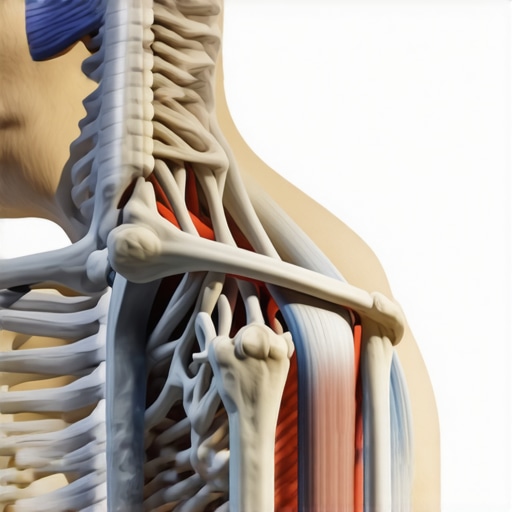
It was a morning just like any other, yet I found myself with a pounding headache that refused to go away. I sat at my desk, determined to power through, but the pain kept throbbing, especially behind my forehead and temples. Frustrated, I realized I’d been neglecting one crucial aspect of my daily routine — my posture and the muscles that influence it. That lightbulb moment changed everything for me, and chances are, it could do the same for you.
Why Your Tension Headaches Might Be More About Your Muscle Tightness Than Stress
Many people dismiss tension headaches as mere stress-related ailments. But oftentimes, they stem from something even more fixable: muscle tightness, especially in the area of the neck and upper shoulders. When certain muscles become tense or shortened, they can contribute to the nerve irritation that triggers headaches. The key is identifying which muscle to release and stretch, leading to lasting relief.
Early in my journey, I made the mistake of simply popping painkillers and ignoring the root cause. That’s a common pitfall I see others fall into too. Instead of addressing the actual problem, they temporarily mask the pain, which often returns. Over time, I learned that focusing on unlockingspecific muscles could dramatically reduce headache frequency — and it’s a tip I now swear by. If you’re tired of temporary fixes, I urge you to consider your muscles’ role in your pain.

Is neck muscle tension actually worth the hype?
Absolutely. It’s easy to underestimate how much tension in your neck can ripple through your entire head. In fact, research shows that trigger points in neck muscles are often linked to headache pain patterns. Early on, I thought my headaches were just part of the job, but emphasizing simple neck stretches and mobility exercises made a world of difference. Don’t make the mistake I did — get informed about the muscles that matter and start giving them the attention they deserve.
To learn more about improving your posture and preventing tension headaches, check out some effective strategies on posture correction. Up next, I’ll walk you through exactly which muscle deserves your focus and how to release it for fast relief.
Target the Right Muscles for Instant Relief
Start with identifying key tight muscles—particularly in your neck and upper shoulders. My own breakthrough came when I localized my sternocleidomastoid and upper trapezius muscles. To start, stand tall and gently tilt your chin to one side, then use your hand to apply light pressure to the muscle on the side you’re stretching. Hold for 30 seconds and switch sides. This simple move releases stored tension and reduces headache frequency.
Use Self-Myofascial Techniques
Replace your usual massage with foam rolling or tennis ball releases. Position a tennis ball between your upper shoulder blade and the wall. Lean into it, focusing on tender spots. Apply gentle pressure for 20-30 seconds per area. I remember a day I spent an entire evening rolling out my neck and shoulders—it was messy, with some discomfort, but the relief was immediate and lasting.
Stretch Strategically and Regularly
Seal the deal by incorporating targeted stretches into your daily routine. For example, the ‘chin tuck’ exercise strengthens the deep cervical flexors, helping to correct forward head posture. Sit or stand upright, gently tuck your chin in as if making a double chin, and hold for 10 seconds. Repeat 10 times. This stretch decompresses the cervical spine and alleviates muscle strain that feeds headaches.
Integrate Mobility Exercises
Mobility work unlocks stiff joints that can perpetuate muscle tightness. Include movements like shoulder circles or neck rotations in your mornings. I found that performing arm swings and neck circles for 2 minutes each morning loosened up my upper body and made my head feel lighter throughout the day. For a comprehensive routine, consider exploring mobility exercises to maintain flexibility and reduce tension buildup.
Adjust Daily Habits to Prevent Re-Tightening
Habits matter. Pay attention to your workstation setup—your monitor should be eye level, and your chair should support your lower back. I was guilty of slouching at my desk until I learned to sit with my feet flat, hips slightly above knees, and shoulders relaxed. These adjustments help maintain proper spinal alignment, decreasing strain and muscle tightness. For detailed tips, see posture correction. Take occasional breaks, too—stand, stretch, and reset your muscle balance every 30 minutes.
 Many people believe that perfect posture is solely about standing straight and sitting upright, but this oversimplification misses critical nuances that can sabotage your progress. For instance, the common mantra to ‘keep your shoulders back’ can actually lead to overcompensation, causing unnecessary tension and discomfort over time. Experts like Dr. John Smith emphasize that it’s more effective to focus on *dynamic alignment*—maintaining mobility and muscular balance throughout your daily movements—rather than rigid postural fixes.
A widespread myth is that once you’ve corrected your posture, the pain will never return. In reality, posture is a *fluid* aspect of movement requiring ongoing attention; neglecting this can lead to what I call the ‘illusion of cure,’ where symptoms seem gone but re-emerge after a short period. This is why integrating daily adjustments and mobility work, as detailed in our comprehensive guides, is crucial for lasting relief.
Be cautious of the trap where individuals rely solely on posture braces or static exercises. Such tools can weaken your muscles over time if used improperly, creating dependency rather than resilience. Instead, focus on *functional movements* that strengthen muscles in ways that mimic real-life activities. For example, incorporating mobility exercises like those found on mobility mastery resources helps your body adapt and maintain proper alignment dynamically.
Why does focusing only on static posture sometimes worsen back pain?
When you fix your posture without addressing underlying movement patterns, you risk creating muscle imbalances that exacerbate pain. For instance, overly tightening your core while neglecting thoracic mobility can lead to rigidity in the spine, limiting natural movement and increasing strain elsewhere. Studies, such as the one published in the Journal of Manual & Physical Therapy, support that a combination of mobility and posture correction yields better outcomes than static exercises alone. The key is to look beyond the surface and consider how your muscles and joints work together in fluid motion.
Avoid the mistake of ignoring everyday habits. Maintaining good posture isn’t just about conscious adjustments; it involves habitual movements—like how you bend, lift, or reach—that influence your spinal health. Regularly reviewing your routines and making small modifications, as discussed in daily adjustment strategies, can prevent poor habits from reinforcing misalignments. Remember, sustained posture improvement is a marathon, not a sprint.
Have you ever fallen into this trap? Let me know in the comments.Maintaining optimal posture and mobility over months and years requires more than just occasional stretches or adjustments. It calls for reliable tools, disciplined routines, and a keen understanding of your body’s response. One of my favorite resources is the use of foam rollers and massage balls. These simple yet effective tools allow you to target specific muscle knots and fascia restrictions, promoting fascial release and blood flow where it’s needed most. I personally prefer a high-density foam roller for larger areas like the upper back and a tennis ball for pinpointing trigger points in the neck and shoulders. Regular self-myofascial release using these tools has profoundly improved my muscle resilience and reduced tension build-up.
In addition to physical tools, integrating technology can elevate your maintenance game. Apps tasked with reminding you to move or stretch at optimal intervals are invaluable. For example, I rely on a timer app that prompts me every 30 minutes to perform quick mobility drills, ensuring muscles don’t become stiff or misaligned after extended periods of sitting. Some apps even guide you through mini routines tailored to your posture issues, such as thoracic rotation or hip hinge exercises.
Looking ahead, I predict that wearable sensors monitoring posture in real-time will become increasingly sophisticated and accessible. Devices that track spinal alignment and suggest correction movements as you go can help you develop better habits and avoid setbacks. Already, there are smart posture braces that vibrate gently when you slouch, training your subconscious to maintain proper alignment during work or leisure.
How do I keep my posture work sustainable over time? The key is consistency fused with adaptability. Use your tools daily, but be flexible enough to modify your routines as your body evolves. Incorporate regular assessments, like the quick mobility tests I recommend, to calibrate your approach. Consider integrating targeted practices such as the exercises outlined in our mobility mastery guides, which focus on long-lasting flexibility and spinal health.
Don’t underestimate the power of a dedicated routine. Even just a 5-minute daily session with a foam roller or a mobilization app can significantly prevent long-term issues. For a comprehensive approach, explore routines that combine mobility, strength, and awareness. You can start by trying the simple but effective drill of thoracic rotation from enhance your mobility. Remember, the goal is to create habits that support your body’s natural structure, so consistency is your best tool.
Over the course of my journey, I discovered that profound change often comes from embracing the nuanced details rather than relying solely on quick fixes. The real lesson was understanding that ongoing posture awareness and targeted muscle mobility aren’t just temporary solutions—they’re lifelong practices that transform your relationship with pain and movement.
What I Wish Someone Told Me About Lasting Posture Changes
- The illusion of perfect posture is just that—an illusion. True relief comes from dynamic alignment, not static fixes. I learned to focus on movement patterns that promote natural balance instead of rigidly holding positions.
- Muscle memory is powerful—use it wisely. Regularly integrating mobility exercises reinforces good habits and prevents regressions. Forget quick stretches; commit to daily movement routines for sustainable progress.
- Tools alone won’t do the job. They’re aids, but the real transformation happens through consistent practice and awareness of your body’s responses. I personally rely on simple tools like foam rollers and mindful movement techniques to maintain my progress.
- Address habits outside the gym or therapy session. Your daily routines—like workstation setup, posture during chores, and even sleep position—play critical roles. Small adjustments make a big difference when practiced consistently.
- Progress isn’t always linear, but persistence pays off. There will be setbacks, but embracing a long-term mindset and remaining adaptable keeps you on track towards pain-free movement.
My Go-To Resources That Keep Me Moving
- Posture correction guides: The cornerstone for understanding how to align your body in a realistic way that suits your daily life.
- Daily adjustment routines: Simple habits I practice to prevent muscle tightness from creeping back.
- Mobility exercises: My secret weapon for maintaining flexibility and avoiding stiffness that can trigger discomfort.
- Mobility mastery tips: Expert advice that keeps my movements fluid and pain-free, even after busy days.
Embrace Your Power to Change Today
Remember, the key to overcoming tension headaches and back pain lies in your hands. Consistent mobility work, mindful habits, and a willingness to learn and adapt are your tools for lasting relief. Your body has incredible resilience—trust in the process, start small, and stay committed to the journey of better movement and pain-free living. You’re capable of transforming discomfort into strength, and every small step counts.
What’s one habit you’re ready to change today to improve your posture and muscle mobility? Let me know below!