
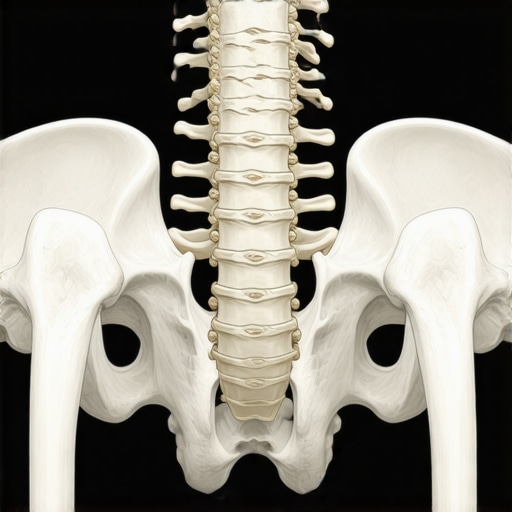
I remember the moment vividly—the ache in my lower back felt dull at first, then suddenly sharp. I tried stretching, resting, even ignored it for days. But what truly threw me off was when the pain radiated down my leg, mimicking the classic signs of sciatica. Except, it wasn’t sciatica at all. It was my SI joint playing tricks, locking up and sending misleading signals that felt like nerve issues. That lightbulb moment made me realize how often we confuse real nerve pain with how our joints play mischief.
Understanding the Silent Culprit Behind False Sciatica
Many of us take back pain at face value—assuming it’s a disc bulge or nerve compression. But what if I told you that a usually overlooked piece of your anatomy, the sacroiliac (SI) joint, could be causing your symptoms while remaining hidden? The SI joint connects your pelvis to your spine and acts as a shock absorber. When it locks up—due to injury, poor posture, or repetitive strain—it can mimic sciatica, leading to unnecessary worry or even misguided treatments.
Here’s the tricky part: a locked SI joint doesn’t always cause overt pain in the joint itself. Instead, it can send confusing signals down the nerve pathways, making you think there’s nerve damage or disc herniation. I made the classic mistake early on—latching onto the idea of nerve issues without exploring joint restrictions. That oversight delayed my recovery and pushed me toward ineffective treatments.
But don’t worry. Today, I’ll walk you through how this cunning joint causes these symptoms and, more importantly, how to identify if it’s your culprit. Recognizing this can save you from unnecessary surgeries or medications. If you’re struggling with persistent back and leg pain, sticking with just stretches or conventional rehab might not cut it. Instead, addressing joint mobility could be the missing piece in your recovery puzzle.
Interested to discover how minor adjustments can restore your mobility and ease your pain? Let’s get into the practical steps that made a real difference in my journey—and could do the same for you.
Start with Gentle Pelvic Tilts to Reclaim Mobility
I vividly recall a morning when my SI joint felt utterly stiff after a long week of sitting. I began with pelvic tilts—lying on my back with knees bent, I gently pressed my lower back into the floor and then tilted my pelvis upward. This movement acts like a toggle switch, helping to realign the joint. Initially, I felt awkward, like trying to tune a rusty instrument, but consistency brought relief. Incorporate this exercise daily by following simple pelvic mobility exercises—they’re your first step to restoring joint harmony.
Implement Controlled Hip Rolls to Loosen Tight Muscles
Next, I transitioned to controlled hip rolls, moving my legs side to side in a slow, controlled manner. Think of your pelvis as a door hinge—if it’s sticky, the entire mechanism jams. Hip rolls help lubricate and free up this hinge, easing stress on the SI joint. This move feels like oiling a squeaky door—initially messy, but effective. When I performed these, I noticed a significant decrease in radiating pain. To deepen this approach, I suggest exploring expert mobility tips for smoother movement patterns.
Maintain Posture with Daily Spinal Alignments
Improper posture, like slouching at my desk, was a silent contributor to my SI joint misalignment. I started conscious daily adjustments—sitting with my hips back, shoulders relaxed, and core engaged. Visualize your spine as a slinky—when aligned correctly, it facilitates effortless movement; when misaligned, it creates tension. Incorporating quick posture corrections throughout the day, guided by daily spinal adjustments, empowered me to sustain long-term relief. These might seem small, but over days, they recalibrated my entire back ecosystem.
Incorporate Dynamic Moves like Cat-Cow for Flexibility
Once my pelvis felt more free, I moved into dynamic stretches like the cat-cow. This move simulates a gentle wave along your spine, mobilizing the sacroiliac area. I found it particularly effective after hours at my computer, where stiffness built up—like a rusty hinge needing release. Perform this movement slowly, breathing deeply into each position. For a comprehensive routine, explore mobility strategies designed for active living. As I persisted, my back became more resilient, and pain faded into the background.
Practice Consistency with Daily Routine Adjustments
The real breakthrough came when I integrated these movements into a daily routine. Think of it as tuning a musical instrument—regular tweaks lead to harmony. I set reminders to perform pelvic tilts, hip rolls, and posture checks, ensuring these weren’t sporadic efforts but habitual patterns. This consistency transformed my back health, much like the steady rhythm of a well-played song. For tailored routines, consider visiting effective posture tips that complement these exercises. Remember, patience and persistence are your allies—your SI joint’s reset music composition is a work in progress, but the results are worth every note.Many assume that quick fixes or generic advice are enough to address complex issues like back pain and mobility problems. However, there’s a common misunderstanding that can hinder real progress: the idea that all adjustments or exercises are equally effective for everyone. In reality, the effectiveness depends heavily on individual nuances such as joint mobilization patterns, muscle imbalances, and subtle postural habits. For instance, it’s not just about performing pelvic tilts or stretches, but understanding which specific joints are misaligned and how compensatory patterns develop over time. Rushing into exercises without this insight can perpetuate problems or even cause new ones. Researchers like Dr. Stuart McGill emphasize the importance of tailored interventions that consider unique spinal and pelvic patterns, warning against one-size-fits-all solutions. So, the next time you’re tempted to follow the latest fitness trend for back relief, pause and ask: does this address my specific issue? Recognizing and respecting these individual nuances allows for smarter, safer progress. Remember, effective correction stems from a detailed understanding, not just generic routines. Make sure you’re not falling into the trap of oversimplification—your spine and joints deserve personalized care. Want to learn more about customizing your mobility routines? Dive deeper with expert tips that adapt to your unique body pattern by exploring our simple exercises tailored for your needs. Are you aware of how subtle joint restrictions might be sabotaging your efforts? If not, you might be missing the key to lasting relief. Just like tuning a fine instrument, a precise adjustment can make all the difference. And remember, even advanced techniques must be personalized—avoiding cookie-cutter solutions will guide you toward genuine improvement. For a personalized assessment, consider consulting specialists who understand these nuances. They can help you identify hidden restrictions and craft a routine that targets your specific needs—because, in the end, true progress depends on **understanding what really makes your body tick**.Maintaining your back’s health over the long term requires more than just occasional stretches—it’s about integrating reliable tools and consistent habits into your routine. Personally, I rely heavily on a combination of mobility aids and software to monitor and fine-tune my posture and movement patterns. For instance, I use a high-quality foam roller to release muscle tension after workouts. I specifically prefer the **TriggerPoint GRID foam roller** because its textured surface provides targeted pressure, helping me break down scar tissue and improve flexibility. Incorporating regular foam rolling can supplement exercises from mobility mastery routines and prevent tightness from becoming problematic.
Another tool I find indispensable is a **posture-correcting smartphone app**, such as Upright Plus. This app uses real-time feedback and gentle reminders to maintain proper alignment during daily activities. Over time, it trains your brain to default to healthier habits, reducing the likelihood of joint misalignments that can lead to back pain. Technology like this aligns with future trends in personalized health monitoring, as discussed in mobility tips for 2025. Regularly checking your posture, combined with targeted exercises, helps sustain improvements.
For ongoing progress, consider using **resistance bands** during mobility drills. I favor the **TheraBand CLX** set because its versatility allows me to perform a variety of strengthening and stretching routines while maintaining control. These bands help maintain strength and flexibility, crucial for long-term stability. According to biomechanics expert Dr. Stuart McGill, personalized, consistent exercises are key to avoiding re-injury and extending the benefits of chiropractic adjustments.
Maintaining your back health also involves routine adjustments and self-assessment. Set reminders to perform daily spinal alignments or posture corrections — simple habits that compound over time. A practical tip is performing quick **diaphragmatic breathing exercises** with a mirror, which reinforce core engagement and improve breathing posture.
Looking ahead, I believe wearable technology integrated with AI will become increasingly common, providing real-time data and personalized coaching. This will enable us to proactively address issues before they become chronic, much like predictive health analytics discussed in recent studies. Investing in these tools now can significantly pay off in long-term mobility and pain reduction.
To get started, try incorporating a foam roller session into your evening routine—target areas of tightness and practice mindful breathing during rolling. Small, consistent steps like this are often the most effective in keeping your back resilient and pain-free. Want to explore more advanced techniques tailored to your specific needs? Visit our contact page for personalized guidance or expert assessments.
The Peculiar Lessons From My Journey With Back Pain
One of the most eye-opening discoveries was realizing that not all pain originates where it feels. I once believed that a sharp twinge in my leg was solely sciatic nerve trouble, but it turned out to be my SI joint playing mischievous games. This taught me to look beyond the obvious and pay attention to subtle joint restrictions that mimic nerve issues. Also, I learned that consistency trumps quick fixes—regularly performing mobility routines like pelvic tilts and hip rolls created lasting change. Finally, I understood that personalized care, tailored to my body’s unique patterns, was the key to lasting relief—blanket solutions often fall short and can even aggravate problems. Embracing these lessons transformed not just my back health but my entire approach to movement and well-being, teaching me that patience and attentive care are truly powerful tools for lasting change.
Tools That Became My Back Health Allies
Over time, I’ve curated a set of trusted tools that support my mobility journey. The mobility mastery routines provide practical exercises tailored to individual needs, helping me target specific restrictions effectively. My foam roller, especially the TriggerPoint GRID, is my go-to for releasing muscle tightness and maintaining flexibility. I also rely on a smart posture app that gives real-time feedback, reinforcing healthy habits daily. These tools, combined with tailored routines, create a powerful synergy that keeps my back resilient and pain-free. For personalized guidance, consulting experts through professional assessments remains invaluable—personalized care makes all the difference.
Embrace Your Power to Change Your Back Story
Remember, your body’s capacity for change is immense. Every small adjustment, from mindful posture to consistent mobility exercises, chips away at pain and rebuilds strength. If I can do it, so can you. Your journey to a healthier, more mobile back begins with believing in that possibility. Start today—integrate targeted movements, harness the right tools, and seek personalized help when needed. The future of back health is in your hands, and every step forward is a victory. Are you ready to take that first move toward lasting relief and renewed mobility? Share your thoughts below—your story might motivate someone else to begin theirs.