
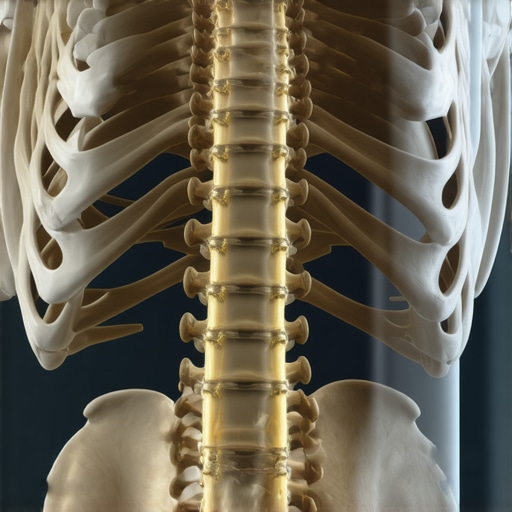
I remember the moment I realized my persistent rib pain wasn’t just a fluke or something I had to live with. One day, after a long session at my desk, I leaned back, took a deep breath, and felt that familiar, nagging tension in my ribs surge again. It was like something was out of place—stuck and throbbing—and I couldn’t shake the feeling of frustration. That discomfort was a wake-up call; it made me realize I’d been ignoring a fundamental issue: my core wasn’t as stable as I thought.
Why Your Core Stability Is the Missing Piece in Rib Alignment
But here’s the thing—your core isn’t just about six-pack abs or a flat stomach. It’s the foundation of your entire posture and movement. When your core is loose or weak, your body compensates in ways that can lead to constant misalignments, especially around your ribs. Imagine a building with a shaky foundation—everything above wobbles, shifts, and becomes vulnerable to misplacement. That’s what happens when your core isn’t providing enough support. Over time, this can result in your ribs feeling out of place, even painful.
Many folks, myself included, misjudge the importance of core strength. Early on, I made the mistake of focusing solely on superficial exercises, thinking that crunches or sit-ups would do the trick. But I learned the hard way that a loose core doesn’t get better with more sit-ups. Instead, it requires targeted activation of deep abdominal and spinal stabilizer muscles. This was a game-changer for me. Having a steadier core meant less rib misalignment, fewer aches, and better posture overall.
Research supports this approach. According to a study published in the Journal of Physical Therapy Science, core stability exercises significantly reduce musculoskeletal pain and improve alignment. So, if you’re tired of constantly adjusting your posture or dealing with rib discomfort, strengthening your core might be the breakthrough you need. Curious how to get started? Let’s dive into the practical steps you can take today to tighten that loose core and stabilize your rib cage.
Start with Space and Awareness
Find a quiet, comfortable spot where you won’t be interrupted. Begin by gently lying on your back with knees bent, feet flat on the floor. This position helps you focus on your deep core muscles. As you breathe in slowly through your nose, visualize filling your belly like a balloon. Exhale softly, drawing your lower belly in gently. This breathing pattern engages your transverse abdominis, the deepest core layer. I once started my journey here after experiencing persistent rib tension; this initial awareness alone gave me a foundation to build upon.
Practice the Rib Tuck Technique
Get into a seated or quadruped position. Place your fingers just below your rib cage. While exhaling, gently draw your lower ribs inward and downward, as if trying to make your ribs touch your pelvis. Hold for a few seconds, then release. This action activates your internal obliques and transverse abdominis, providing stability. I recall practicing this in front of a mirror, noticing how subtle my movement was at first, but it gradually strengthened my awareness of proper activation.
Break It Down with Small Movements
Don’t rush the process. Perform sets of 10 rib tucks, focusing on quality over quantity. Small, controlled movements teach your muscles to engage correctly, like fine-tuning the strings of a musical instrument. Over time, this improves your ability to stabilize your core during daily activities, reducing the tendency for your ribs to misalign.
Integrate Dynamic Control and Mobility
Once you’re confident with static engagement, move into controlled exercises that incorporate movement. Examples include bird-dogs, pelvic tilts, and gentle bridges. For instance, during a pelvic tilt, flatten your lower back against the floor while engaging your abs. This mimics real-life actions like bending or lifting and trains your core to support your spine dynamically. My goal was to combine stability with mobility, realizing that a more mobile thoracic region lessens undue strain on your ribs.
Focus on Breathing During Movement
Maintain steady nasal breathing as you perform these movements. Breath control prevents over-tensing and keeps your core engaged without excessive effort. It’s like steering a boat smoothly—steady control keeps you from capsizing into poor posture or muscle strain. Remember, unifying breath and movement is key to integrating these techniques into daily routines.
Daily Routine for Lasting Results
Incorporate these exercises into your day—preferably in the morning or during breaks at work. As I did, set alarms or reminders for quick sessions, perhaps while waiting for your coffee or during office stretches. Consistency breeds change; even five minutes daily can create significant improvements. For more comprehensive mobility strategies, explore top mobility strategies.
Monitor and Adjust Your Technique
Pay attention to how your body responds. If you notice persistent discomfort or difficulty, consider consulting a professional or adjusting your technique. Sometimes, a small change—like adjusting your breathing pattern or the angle of movement—can make a big difference. Remember, your body is a unique system; listen and adapt accordingly. For deeper insights, check out posture correction secrets.
Many people believe that frequent adjustments or stretching alone can fix their chronic back pain or poor posture, but this approach often overlooks subtle yet critical nuances that determine true progress. One widespread misconception is the idea that cracking joints or receiving regular chiropractic adjustments will permanently realign your spine. While these interventions can offer temporary relief, relying solely on them may create a false sense of security and delay addressing underlying muscular imbalances or movement habits. For instance, a study published in the Journal of Manipulative and Physiological Therapeutics highlights that adjustments are most effective when combined with targeted exercise and mobility work, emphasizing the importance of a comprehensive approach rather than isolated crackings.
Are Adjustments Truly Long-Lasting or Just a Band-Aid?
Another mistake many make is assuming that mobility drills and stretching are sufficient to ensure lasting improvements. In reality, many get into a trap called ‘mobility obsession,’ where they perform endless stretches without correcting the root cause of their movement dysfunctions—often strength imbalances or dysfunctional motor patterns. For example, people may foam roll or stretch their hip flexors daily, but if they neglect strengthening their posterior chain (glutes, hamstrings, back muscles), their postural issues will persist. This oversight can lead to a cycle where pain temporarily subsides, only to return once the superficial fixes fade—causing frustration and a false sense of achievement. Instead, integrating mobility with strength training, especially core and posterior chain development, yields more sustainable results. Check out top mobility strategies for a balanced approach.” alt=”Deep hip mobility exercise” title=”Deep hip mobility stretch”/>Furthermore, there’s a common myth that pain always correlates with the area of discomfort. People often think that if their lower back hurts, they need to focus solely on that region. However, the reality is often more complex: tightness or weakness in surrounding areas, such as the hips, pelvis, or shoulders, can manifest as pain in seemingly unrelated spots. This interconnectedness underscores the importance of understanding the *hidden nuances* of movement patterns. For example, poor shoulder posture can alter breathing mechanics, causing tension in the thoracolumbar region. Identifying and addressing these nuanced contributors requires a holistic assessment rather than targeting isolated pain points. For advanced insights, review posture correction secrets.Achieving and maintaining good posture isn’t a one-time effort; it requires the right tools and consistent habits. Personally, I swear by a few specific items that have transformed my approach to mobility and back health. First, I highly recommend investing in a quality foam roller like the TriggerPoint GRID Mini, which I use daily to release deep muscular tension in my thoracic and lumbar regions. Its density and shape allow me to target tight spots precisely, helping me keep my tissues supple and prevent chronic tightness that can lead to misalignments. Additionally, I rely on a small massage ball, like the Yoga Tune Up Therapy Ball, to focus on trigger points in tricky areas such as the piriformis and hip flexors. Consistently rolling these muscles prevents knot formation that pulls on the pelvis and spine, reducing the risk of long-term injury.
To complement manual work, I incorporate software tools like the Pocket PT app, which provides guided mobility routines tailored to my daily needs. These routines often include simple, effective exercises like the rib tuck and thoracic bridge, which you can learn more about in the [enhance your mobility](https://chiromasteryz.com/enhance-your-mobility-expert-tips-for-easier-movement-in-2025) series. Using visual cues and reminders keeps me accountable, ensuring my mobility work remains part of my routine.
For tracking progress, I recommend a posture app like Upright GO, which attaches discreetly to your back and provides real-time feedback to encourage proper alignment throughout the day. This device helps me stay conscious of my sitting habits, preventing slouching that can undo months of good work.
Looking ahead, I predict that integrated systems combining biometric feedback with AI-driven coaching will become standard for maintaining posture and mobility. These innovations will offer personalized adjustments and real-time corrections, making long-term maintenance easier and more effective.
**How do I keep my posture habits sustainable over time?** Incorporating daily routines with reliable tools like foam rollers and posture trackers ensures you don’t revert to poor habits. Remember, consistency is key—once you feel the benefits, you’ll naturally want to preserve them. Try setting a small goal, like rolling out tight muscles with a trigger point ball every morning, and monitor your progress. This simple, targeted action can significantly reduce chronic tension and support your overall back health, especially when combined with resources like the [posture correction secrets](https://chiromasteryz.com/posture-correction-secrets-that-transform-back-pain-outcomes). Keep these tools within arm’s reach, and you’ll find it much easier to stay on top of your mobility goals.
Throughout my journey with persistent rib pain, I’ve discovered that the key to genuine relief isn’t just quick fixes or temporary adjustments—it’s cultivating a consistent, mindful approach to core stability and movement habits. The true transformation came when I integrated these practices into my daily routine, understanding that lasting change requires patience and dedication. This realization not only alleviated my discomfort but also opened my eyes to the profound impact of small, intentional actions over time, empowering me to maintain better posture and rib alignment effortlessly.
Lessons the Experts Don’t Always Share
- Patience Trumps Quick Fixes: While immediate relief can be tempting, I learned that sustainable improvement stems from regular, incremental progress, like perfecting a skill rather than chasing instant results. Incorporate daily mobility and core exercises consistently, and you’ll notice exponential benefits.
- Mindful Movement Matters: Paying attention to how I move during everyday tasks—lifting, bending, sitting—helps me catch poor habits before they cause pain. Cultivating body awareness is a game-changer for maintaining alignment.
- Holistic Approach is Crucial: Focusing solely on one area, such as the ribs, neglects the interconnected nature of our musculoskeletal system. Addressing hips, shoulders, and posture collectively provides a foundation for lasting relief and stability.
- Tools Enhance, But Don’t Replace, Consistency: Manual therapies like foam rolling or adjusting your workspace are valuable, but their benefits amplify when combined with regular core activation and movement habits. Think of tools as catalysts, not crutches.
My Favorite Resources for Deepening Your Practice
- Top mobility strategies: A comprehensive guide that helped me understand the importance of integrated movement routines. It offers practical tips to improve flexibility and prevent misalignments.
- Mobility mastery exercises: These simple yet effective exercises taught me how to build strength and flexibility together, reducing the risk of ongoing rib and back pain.
- Posture correction secrets: An eye-opening resource that revealed subtle habits and adjustments that can make a big difference in everyday posture maintenance.
- Effective posture tips for 2025: Staying ahead with innovative and research-backed techniques keeps my posture in check and my ribs aligned without pain.
Your Next Step Toward Pain-Free Living
Remember, the journey to better posture and rib alignment isn’t about perfection—it’s about persistence. Embrace the small, consistent actions that reinforce your body’s natural stability. Start today by integrating mindful core exercises, paying attention to your movement habits, and using trusted tools to support your progress. Over time, these intentional habits will become second nature, leading to a healthier, more aligned you. Your back and ribs will thank you for the care you give today, paving the way for a more comfortable tomorrow.
What’s one small movement habit you plan to incorporate into your daily routine to improve your posture? Share your thoughts below—I’d love to hear your plans!
,