
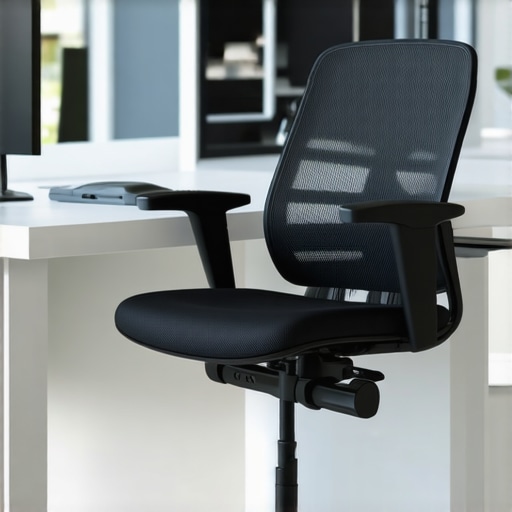
Have you ever experienced that sharp, shooting pain down your leg during a long day at the desk, feeling like your back is betraying you just when you need it to support you the most? I remember the exact moment I realized my office chair was secretly sabotaging my recovery from a flare-up of sciatica. It hit me while I was grimacing after yet another painfully stiff morning. That lightbulb moment changed everything.
What if the key to easing your sciatic pain lies not in complex treatments or expensive sessions but in a simple, thoughtful tweak to the chair you sit in every day? This idea seemed almost too good to be true at first, but I’ve seen firsthand how a single office chair setting can make a dramatic difference. Today, I want to share with you how that small adjustment brought me lasting relief and help you do the same.
Why Your Office Chair Is Your Hidden Ally in Sciatica Relief
It turns out that sitting posture isn’t just about comfort; it directly impacts the pressure on your lower back and sciatic nerve. Maintaining proper alignment can prevent aggravation from turning into full-blown flare-ups. According to a study published in the Journal of Occupational and Environmental Medicine, poor sitting habits are linked to increased incidents of lower back pain and nerve irritation (https://journals.lww.com/joem/Fulltext/2017/01000/Sitting_Posture_and_Lower_Back_Pain__Are_Our.9.aspx). That’s eye-opening, isn’t it? It means your everyday sitting choices are genuinely shaping your health.
Early in my journey, I made the mistake of ignoring my chair’s settings entirely. I’d sit for hours, slouched and unmindful, worse with each passing day. It wasn’t until I learned to optimize my chair’s height, lumbar support, and tilt that I started experiencing relief. If you’re tired of just managing symptoms with painkillers or stretching, perhaps the problem isn’t what you do outside the chair, but how you sit within it.
So, are you ready to discover how to transform your office chair into an instrument of healing? Let’s dive into the simple, actionable steps that could change your entire day—and your life.
Is Adjusting My Chair Worth the Time?
Many skeptics worry that tiny tweaks won’t have a real impact. I admit, I doubted at first, and I made the mistake of neglecting the importance of proper support, which only worsened my pain. Making small adjustments consistently proved to be powerful. Sometimes, quick fixes aren’t enough, but creating habits around proper sitting can be a game-changer for your sciatic health—something I now passionately recommend after seeing the difference it made in my own recovery.
If you’ve been facing persistent discomfort and haven’t yet experimented with your chair settings, now’s the time. Curious about more detailed routines? Check out this guide to daily adjustments that can profoundly improve your back and posture. Remember, sometimes it’s the small things that make the biggest difference.
Adjust Your Seat Height for Optimal Support
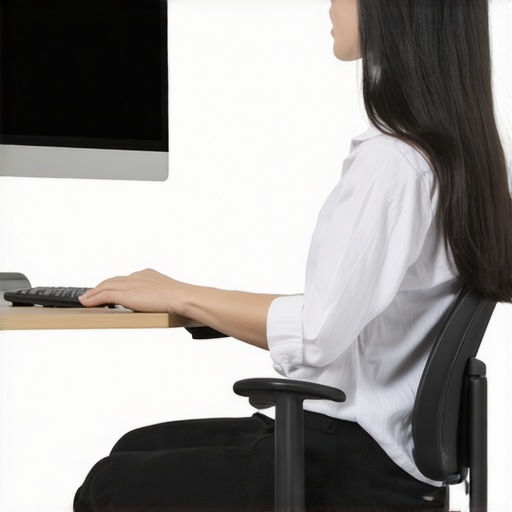
Start by setting your chair height so that your feet rest flat on the floor, and your knees are at a 90-degree angle. Imagine your thighs as parallel to the ground, providing a stable base that reduces pressure on your lower back. I vividly remember the first time I did this; within minutes, my sciatic discomfort lessened noticeably. Take a second to evaluate your current position and make the necessary tweaks.
Check Eye Level and Arm Support
Ensure your monitor is at eye level to prevent leaning forward, which can strain your spine. Think of your neck as a puppet; keep its string gently taut by aligning your screen properly. Adjust armrests so your shoulders stay relaxed, not hunched. This practice prevents unnecessary tension that can ripple down to the sciatic nerve.
Implement Lumbar Support Correctly
Use a lumbar cushion or adjust your chair’s built-in support to match the natural curve of your lower back. Picture your spine as a gentle S; maintaining this curve keeps your discs and nerves in healthy alignment. I once experimented by placing a rolled towel behind my back, and the relief was immediate. If your chair lacks built-in support, consider investing in a simple cushion—it’s a game changer.
Fine-Tune Your Seat Tilt and Positioning
Adjust your chair’s tilt so that your hips are slightly higher than your knees, encouraging a slight recline. Think of your seat as a rocking chair that stabilizes your body, reducing pressure on your sciatic nerve. I found that a gentle recline of about 100–110 degrees eased my pain during long work sessions. Remember, small tilts can make a significant difference over time.
Incorporate Micro-Movements to Prevent Stiffness
Set a timer to remind yourself to take micro-breaks—small adjustments like shifting your weight or stretching your legs. Visualize your body as a machine that needs lubrication; constant static leads to wear and tear. During one particularly stiff afternoon, I shifted my sit bones side to side and did ankle circles—after which, my discomfort drastically reduced. This practice keeps your muscles active and prevents nerve compression.
Stretch and Mobilize Regularly
Even with perfect sitting posture, muscles can tighten. Incorporate simple stretches like the piriformis or hamstring stretches to release built-up tension. Think of these as oiling hinges—smooth movement prevents creaks and jams. I use a quick seated piriformis stretch—by crossing one leg over the other and gently leaning forward—as part of my routine, which keeps sciatic pain at bay.
Review and Adjust Daily
Finally, make a habit of reassessing your setup daily. Your body isn’t static, and what worked last week might need tweaking today. Use the daily adjustment guide to fine-tune your position. Remember, consistency is key: small, sustained tweaks can prevent pain from returning.
By integrating these steps into your routine, you transform your chair from a potential pain source into a tool for healing. Every minor adjustment acts like a small stitch in the fabric of your well-being, gradually repairing the damage and reinforcing good posture habits that last.
 Many people are under the impression that stiffness and pain are solely a result of muscular weakness or poor habits, but the truth is far more nuanced. One widespread misconception is that mobility exercises always improve back health. In reality, some mobility routines may exacerbate the problem if not tailored correctly, especially for individuals with structural issues. For example, aggressive stretching of tight muscles without addressing underlying joint restrictions can lead to increased tension and discomfort. Knowing when to stretch and when to mobilize is crucial, and a misplaced attempt can do more harm than good. According to a 2020 study published in the Journal of Bodywork and Movement Therapies, targeted joint mobilizations outperform generic stretching protocols in reducing back pain when applied appropriately. To avoid falling into this trap, consult with a mobility expert before implementing new routines. Have you ever fallen into this trap? Let me know in the comments.
Another critical misconception is that maintaining a perfectly upright posture at all times is ideal for everyone. Many believe that slouching or leaning forward consistently causes back issues, but in reality, some degree of movement and dynamic positioning may be beneficial. The human body is designed for flexibility and variation, not static perfection. Over-constraining your movements can lead to restricted mobility and muscle imbalances. A recent article in Chiropractic & Manual Therapies emphasizes that allowing natural, gentle fluctuations in posture enhances circulation and proprioception, fostering healthier tissues. Instead of rigidly holding yourself erect, focus on movement variability and micro-adjustments—these are often overlooked but vital for sustainable back health. You can explore effective routines for this purpose in the [daily adjustments guide](https://chiromasteryz.com/daily-adjustments-to-alleviate-back-pain-and-improve-posture). Remember, achieving a balanced posture isn’t about rigidity; it’s about smart, adaptive habits.
Many individuals also build their understanding of back pain around the myth that rest is always the best remedy. While rest can be necessary during acute flare-ups, prolonged inactivity often worsens mobility and prolongs recovery. The key lies in differentiating between rest and movement. Gentle, controlled activities and mobility exercises can stimulate joint lubrication and reduce stiffness, speeding healing. Expert opinions, such as those from Dr. Stuart McGill, underscore that movement is medicine, especially for chronic back conditions. Be cautious: avoid the common mistake of complete immobilization, which can lead to atrophy and further pain. Instead, aim for consistent, nuanced adjustments in your activity levels, as outlined in the [mobility mastery](https://chiromasteryz.com/mobility-mastery-simple-exercises-to-relieve-chronic-back-pain). The goal is to find that optimal balance where movement promotes healing without aggravation.
In sum, the journey toward better back health involves debunking myths, discerning nuanced needs, and applying tailored solutions. Misconceptions about mobility, posture, and recovery can trap even well-meaning individuals into ineffective routines or harmful practices. The secret resides in understanding your body’s unique responses and incorporating evidence-based, adaptable adjustments into your daily habits. Are you making these common mistakes? Check out the [posture correction secrets](https://chiromasteryz.com/posture-correction-secrets-that-transform-back-pain-outcomes) to learn more about customizing your approach for lasting relief.
Keep It Running: Tools I Recommend for Sustainable Back Wellness
Maintaining a healthy back is an ongoing journey, and the right tools can make all the difference. I personally rely on a few key items that have proven invaluable in my routine. One of my favorite devices is the Tennis Ball Technique Tool. I use it daily to target tight spots—particularly around my hips and lower back—by applying gentle pressure to release muscle tension. This simple yet effective tool helps prevent knots from forming and keeps my mobility fluid. Additionally, I utilize mobility apps that guide me through dynamic stretches tailored for back care, ensuring I stay proactive. These apps also track my progress, motivating me to stay consistent.
On the software side, I recommend adopting a daily adjustment routine using video tutorials or reminders. Establishing a set of quick, targeted movements helps maintain spinal alignment and reduces the risk of flare-ups. Remember, consistency is key—think of these tools as long-term investments in your back health.
As we look ahead, the trend points toward integrating smart technology into our daily routines. Wearable devices that monitor posture in real-time may soon become common, alerting us instantly when we slip into poor habits. Companies are already developing sensors that can provide immediate feedback, making proactive corrections effortless. Incorporating these innovations could revolutionize how we maintain back health over time, making it more accessible and personalized.
How do I maintain my back health tools and routines over time?
To keep your back maintenance system effective, consider scheduling periodic evaluations with a professional. A visit once or twice a year can help fine-tune your setup—be it your ergonomic workspace, mobility practices, or tools like the chiropractic consultation. Additionally, staying updated with the latest research, such as the findings compiled in posture correction strategies, ensures you’re evolving your practices with evidence-based insights. Never hesitate to reach out to a specialist for tailored advice—your back will thank you for it.
Finally, make it a habit to review your routines monthly. Small tweaks—like adjusting your ergonomic setup or adding new mobility exercises—can significantly extend the benefits of your tools. Remember, maintaining your back is an active process; staying engaged with your health tools and knowledge keeps discomfort at bay and improves your quality of life.
Don’t forget to try out advanced techniques like integrating a foam roller into your warm-up routine—many people overlook its role in enhancing tissue elasticity. For expert tips on how to use it properly, visit this guide to foam rolling. Small investments like these can lead to big results, helping your back stay resilient for years to come.

What I Learned the Hard Way About Consistent Care
The hardest lesson I discovered was that small, persistent tweaks are often the most powerful tools in managing back pain. I once believed that drastic changes or intense workouts would solve everything, but I was wrong. Regularly fine-tuning my sitting posture and making micro-adjustments to my workspace proved to be the secret to long-term relief. It taught me that patience and daily habits trump quick fixes every time.
Tools and Tips I Can’t Live Without
Over the years, I’ve curated a set of tools that genuinely make a difference. From a simple tennis ball for my hip release routines to a reliable mobility app that keeps me accountable, these resources have become my allies. I also recommend investing in a lumbar pillow—you’ll be amazed at how such a small addition can shift your entire posture. These tools have helped me maintain my progress and stay proactive, and I believe they can do the same for you.
Your Next Step Toward a Pain-Free Life
The journey to better back health is uniquely personal, but it starts with the willingness to make small, consistent changes. Embrace the idea that your office chair isn’t just a place to sit—it can be a partner in your recovery. By applying these simple adjustments and staying committed to daily routines, you’re taking meaningful steps toward relief and resilience. Remember, the path to a pain-free back is a marathon, not a sprint. Keep moving, keep adjusting, and give yourself credit for every small victory along the way.
Have you ever noticed which chair adjustment made the biggest difference for your back? Share your story below—I’d love to hear what worked for you!
,