
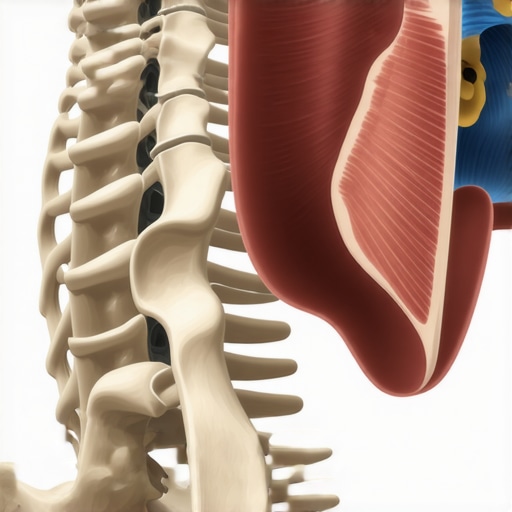
Have you ever felt a sudden jolt of lower back pain after a deep breath or a quick twist? I sure have. One moment, I was stretching lazily on a Sunday morning; the next, a sharp pain shot through my lower back, leaving me frustrated and wondering what I did wrong. It was a lightbulb moment for me—realizing that my breathing was actually affecting my spine more than I thought.
The Hidden Link Between Your Breathing and Back Pain
Most of us focus on stretching or strengthening our backs when pain strikes, but what if the problem isn’t just in the muscles? What if your diaphragm—the dome-shaped muscle at the base of your lungs—is tightening up so much that it’s locking your lumbar spine into a painful, compromised position? It sounds surprising, but I learned this firsthand, and it turned out to be a game-changer. A tense diaphragm can restrict movement, cause your spine to misalign, and even contribute to chronic pain.
Is a Tight Diaphragm Actually Worth the Hype?
Early on, I thought, “This can’t be the problem—diaphragms are just for breathing, right?” I made a common mistake: assuming that breathing muscles couldn’t impact my spinal health as much as those in my back or hips. But scientific studies reveal that the diaphragm plays a crucial role not just in respiration but also in core stability and spinal alignment. According to research published in the Journal of Bodywork and Movement Therapies, diaphragmatic dysfunction can be linked to persistent back pain and poor posture. Recognizing this connection helped me focus on proper breathing and diaphragmatic mobility rather than just targeting muscles directly related to the pain.
If you’ve found yourself stuck in a cycle of back discomfort, especially following breathing or movement, it’s worth exploring whether your diaphragm might be part of the problem. By understanding and releasing tension in this essential muscle, I was able to free up my lumbar spine and restore natural movement. In the next sections, I’ll share the practical steps I took—and you can too—to release that tension and regain comfortable, pain-free mobility. But first, let’s look at what exactly causes a diaphragm to tighten up and lock your spine in place.
Start With Breath Awareness
First, sit comfortably on a chair or lie down, placing one hand on your chest and the other on your belly. Take slow, deep breaths through your nose, paying attention to which hand moves more. Aim to fill your belly with air without overly expanding your chest. This simple awareness helps you identify if your diaphragm is engaged or tense. In my experience, just noticing the pattern was revealing—my chest often moved more than my belly, indicating shallow breathing that could tighten the diaphragm.
Practice Diaphragmatic Breathing Exercises
Lie on your back with knees bent and feet flat. Place a book gently on your abdomen for visual feedback. Inhale slowly through your nose for 4 seconds, permitting your belly to rise as the diaphragm contracts. Hold the breath for a count of 2, then exhale fully through pursed lips for 6 seconds, feeling your belly fall. Repeat for 5 minutes daily. Initially, my breaths were uneven and shallow; with consistent practice, I noticed my back feeling less stiff after just a week.
Release Tension with Myofascial Techniques
Use a foam roller or massage ball to gently apply pressure to the diaphragm area, which is located beneath the rib cage. Roll slowly to break up fascial adhesions that keep the diaphragm tight. I remember wobbling awkwardly at first, trying to find the right spots, but gradually, the tension in my lower ribs and upper abdomen softened, easing the anchoring pull on my lumbar spine.
Incorporate Postural Adjustments During Daily Movements
Pay attention to how you breathe during routine activities like walking, sitting, or lifting. Engage in shallow chest breathing—try to shift into diaphragmatic expansion instead. For example, when standing, imagine keeping your rib cage over your hips, avoiding a hunched or puffed-up chest. This conscious shift made a noticeable difference in reducing spinal stress. I started to feel my lumbar area more relaxed, especially after correcting my posture during work.
Progress Gradually to Active Movement
Once comfortable with breathing and tension release, incorporate gentle movements like standing twists or lunges that emphasize core stability. These functional exercises reinforce the diaphragm’s role in supporting your spine. I found that adding slow, controlled motion after breathing drills compounded my relief, allowing me to move without sharp discomfort. To optimize your physical routine, consider integrating strategies from Master Your Mobility.
Maintain Consistency and Monitor Progress
Keep practicing these techniques daily, gradually increasing complexity as your diaphragm relaxes. Use a journal to note sensations of tension or ease. Remember, softening the diaphragm takes time, but persistent effort can significantly reduce lower back pain linked to diaphragmatic holding patterns. As you improve, your movement will become more fluid, and your lumbar spine more free from restrictive tension. For ongoing guidance, explore mobility strategies for active living.
Many individuals embark on their mobility or posture correction journey with a simplistic view: stretch here, strengthen there, and assume pain will vanish. However, this approach often overlooks critical nuances that differentiate temporary relief from long-term healing. One common myth is the notion that tight muscles are always the root of mobility issues. In reality, some muscles appear tight because they are guarding or compensating for underlying dysfunction elsewhere, leading many to chase symptoms instead of addressing root causes. For example, excessive focus on stretching hamstrings without considering pelvic alignment or neural tension can exacerbate discomfort rather than resolve it.
Another misconception is that posture fixes are solely about alignment, disregarding the dynamic factors involved. Posture is not static but a product of neural control, habitual patterns, and muscular balance. Rigidly forcing a certain ‘correct’ posture can sometimes cause more harm—think of individuals who hold T-shapes for hours to ‘fix’ rounded shoulders, unwittingly creating muscle imbalances and tension. A more nuanced approach considers functional movement patterns and daily habits, integrating integrated adjustments rather than isolated corrections.
One of the biggest traps to avoid is applying generic routines without tailoring them to your specific condition. What works for one person may worsen another’s situation. As I emphasize in Master Your Mobility, understanding individual nuances—like fascial restrictions, neural tension, or compensatory patterns—is vital. Neglecting these can lead to advanced mistakes, such as neglecting the importance of neural pathways that influence spinal stability and movement or misinterpreting stiff areas as necessarily needing more stretching when they might need release techniques instead.
So, what’s the deeper mistake many overlook when trying to fix back pain and improve mobility? The answer lies in the interconnected nature of the body’s systems. Focusing solely on muscles without considering fascia, neural tissues, and joint mechanics will limit progress. For instance, tightness in the thoracic spine may stem from poor diaphragmatic function or rib mobility restrictions—factors often missed in standard routines. Recognizing these interconnected issues allows for more targeted and effective interventions, such as specific diaphragmatic release or joint mobilizations, as discussed in enhancing mobility strategies.
Another advanced nuance involves understanding how habitual patterns and subconscious neural controls perpetuate poor posture. Even after manual adjustments or stretching, certain postural habits—like forward head posture during computer work—persist unless consciously addressed through retraining. This requires integrating movement re-education, awareness practice, and addressing psychological components tied to posture and pain, reflecting a more holistic view that transcends superficial fixes.
In conclusion, let’s dig deeper than surface fixes. Recognize that true mobility and pain relief often demand a comprehensive approach—addressing fascial health, neural pathways, habitual patterns, and individual nuances. Skipping these layers risks falling into the trap of temporary solutions or worsening conditions. For practical strategies, explore posture correction secrets and daily spinal adjustments. Remember, genuine progress requires understanding the body’s complexity—so keep questioning assumptions and personalize your approach. Have you ever fallen into this trap? Let me know in the comments.Maintaining optimal mobility and posture over the years requires more than just sporadic stretches or adjustments. Investing in the right tools can make a significant difference in preserving your progress and scaling your efforts effectively. One device I personally rely on is a foam roller specifically designed for diaphragmatic release. I use the TriggerPoint GRID Foam Roller because its textured surface and firmness allow me to target fascial adhesions around my ribcage and diaphragm area precisely, maintaining my breathing mechanics and spinal health. Regular use helps prevent tightening that can lead to back pain, especially as I age. Additionally, I incorporate a portable percussion massage gun, like the Theragun Prime, for myofascial release after workouts or long sitting periods. The deep muscle taps help alleviate tension stored in deep layers and reinforce relaxation of compensatory patterns that often contribute to pain dynamic. I’ve found that integrating these tools into my daily routine stabilizes my posture and keeps pain at bay longer than simple stretching alone. Looking ahead, I predict that wearable biofeedback devices, such as smart posture sensors, will become more sophisticated. These gadgets can notify you in real-time when your alignment deviates, allowing immediate corrections, which can be especially useful in office environments or during travel. This trend toward personalized, tech-enabled health maintenance seems promising for sustainable long-term results.
**How do I keep my mobility and posture habits sustainable over time?** I recommend establishing a daily routine that involves brief but targeted sessions with equipment like foam rollers or percussion tools, combined with mindful movement practices. For instance, setting a timer to remind yourself to perform diaphragmatic releases or postural checks every couple of hours can create a lasting habit. To deepen your understanding, explore strategies detailed in our [Master Your Mobility](https://chiromasteryz.com/master-your-mobility-top-strategies-for-moving-without-pain) guide, which emphasizes consistent, adapted interventions. Remember, combining remedial tools with daily conscious movement is key to long-term success. As I always say, the difference between temporary relief and lasting change is persistence and the right support tools—like the ones I’ve shared. Try integrating a foam roller into your evening routine, focusing on rib mobility and diaphragmatic health, and monitor how your back feels after a week.
Throughout my journey into mobility and posture, I’ve discovered that some of the most impactful lessons come from the body’s quiet whispers rather than loud aches. The deeper understanding of how diaphragmatic tension subtly influences back health transformed my approach from mere symptom chasing to holistic body tuning.
The Quiet Clues That Changed Everything for Me
- Persistent Tension Isn’t Always a Muscle Problem: I used to think tightness meant I just needed more stretching, but I realized it was often a guard over unresolved fascial or neural issues. Listening to these subtle signals prevents unnecessary strain.
- Breathing Techniques Hold the Key: Incorporating diaphragmatic breathing revealed hidden layers of tension, especially in the lower back. Mastering this skill unlocked a new level of ease I hadn’t believed was possible.
- Habitual Patterns Reinforce the Problem: Small daily postures, like slouching during work, compounded tension unnoticed until I changed my movement habits consciously. Awareness truly is the foundation of sustainable mobility.
- Tools Are Extensions of Your Body: Using foam rollers and percussion massagers wisely supports your progress, but their real power lies in consistent, mindful application aligned with body feedback.
- Patience Turns Small Wins into Lasting Change: I learned that consistent practice with mindful patience yields results far beyond quick fixes—building resilience in my back and posture over time.
My Go-To Gear for Maintaining Movement Confidence
- TriggerPoint GRID Foam Roller: Its textured surface targets fascial restrictions around the rib cage, helping maintain diaphragmatic mobility—something I consider essential for long-term back health.
- Theragun Prime: Regular use for myofascial release complements my breathing and movement work, releasing tension before it becomes stubborn and limiting.
- Smart Posture Sensors: I believe tracking tech will soon help us stay aligned by alerting us to habitual misalignments—making maintenance a proactive part of our day.
- Comprehensive Mobility Resources: Programs like Master Your Mobility offer tailored strategies that respect individual nuances and accelerate recovery.
Embrace Your Body’s Wisdom Starting Today
Trust that your body is guiding you toward better movement and less pain, provided you listen carefully. Small, consistent actions—like mindful breathing, strategic tool use, and posture awareness—compound over time to create a resilient, pain-free life. If you’re ready to take the next step, explore how simple daily adjustments can transform your back health and mobility here. Remember, your journey begins with listening; your body’s signals are your best compass. What’s the first subtle cue you’ve ignored that now makes sense? Share your experience below, and let’s learn from each other’s stories.