

There was a moment, during a long bike ride, when I suddenly felt a sharp twinge in my lower back. It was as if my spine had betrayed me right there on the trail. I had been so eager to enjoy the fresh air and the wind in my face that I overlooked a simple truth: my bike’s setup might be a culprit. That lightbulb moment changed everything for me, and I want to share what I learned.
Why Your Bike Might Be Sabotaging Your Back
Many cyclists don’t realize that a poorly adjusted bike can lead to persistent back pain, sometimes even after the ride ends. It’s not just about comfort; it’s about avoiding long-term damage. When your bike’s height, saddle position, or handlebar alignment is off, your muscles and spine have to strain unnecessarily. Over time, this strain turns into chronic pain that hampers your mobility and enjoyment.
I’ve seen firsthand how tweaking a few key settings made a world of difference. I used to dismiss the importance of proper adjustments, assuming that discomfort was just part of the ride. But early on, I made the mistake of ignoring my saddle height — thinking a higher saddle meant better speed. Instead, it caused me to overreach, pinching my lower back. Trust me, these seemingly small details matter more than you’d think. For more on how small daily adjustments can save your back, check out this helpful guide.
Ever Faced Back Pain After Cycling?
If you’ve recently experienced back discomfort after cycling, you’re not alone. Many riders face this issue, often due to incorrect bike setup or poor posture during the ride. Knowing how to correctly adjust your bike can prevent this. Whether you’re a casual rider or a commuter, getting your bike fit right is essential to protect your back and ensure every ride leaves you feeling energized, not strained.
As we move forward, I’ll walk you through practical steps to customize your bike for optimal back health. It’s easier than you think — and the results can be immediate. Ready to make those adjustments and say goodbye to back pain? Let’s dive into the essentials of a proper bike fit!
Start With Your Saddle Height
Think of your saddle as the foundation of your bike fit. When I first adjusted mine, I set it too high, causing me to overreach and strain my lower back. To find the right height, sit on your bike and place your heel on the pedal at the bottom of the pedal stroke. Your leg should be fully extended with your hips level. If there’s a dip or you’re reaching, lower or raise your saddle accordingly. Moving gradually and testing after each adjustment ensures you won’t overshoot, preventing a cycle of discomfort.
Position Your Saddle Forward or Backward
Next, adjust the saddle horizontally to align it under your hips. Imagine your hips as the anchor point for your spine; the saddle should support them directly. If it’s too far back, your hips tilt, increasing pressure on your lumbar spine. If it’s too far forward, you might lean excessively, causing anterior pelvic tilt and back pain. A simple method is to sit on the bike, with feet ready to pedal, and see where your kneecap aligns over the pedal axis. Fine-tune until there’s a slight bend in your knee when the pedal is at the 3 o’clock position.
Handlebar Height Matters
Handlebar position influences your posture significantly. Lower bars might offer aerodynamics but can force you into a forward-leaning, spinal-compromising position. Higher bars promote a more upright posture, easing back strain. During my first ride with higher handlebars, I immediately felt less tension in my lower back. Adjust the handlebar height so that when gripping the hoods or drops, your back is naturally straight, and your shoulders are relaxed. Consider your riding style and comfort — don’t sacrifice back health for speed.
Mind Your Reach for the Hoods and Drops
The length of your stem controls how far you reach to the handlebars. A too-long stem causes you to lean forward excessively, stressing your lumbar spine. I used a longer stem initially, which felt faster but soon led to discomfort. Switching to a shorter stem brought relief and better control. Ensure your elbows are slightly bent when holding the bars, and your wrists aren’t strained. This position minimizes unnecessary spinal tension and promotes better mobility during longer rides.
Check Your Posture While Riding
Even with perfect adjustments, posture is key. Imagine your spine as a flexible straw; it should be straight and supported. Keep your head up, shoulders down and relaxed, and engage your core slightly. During a memorable ride, I caught myself slouching, which caused a sharp pain afterward. Making a conscious effort to maintain a neutral spine, similar to standing tall, helped prevent post-ride aches. Incorporate regular posture checks during longer rides, and consider integrating mobility exercises to enhance your flexibility and core stability.
Incorporate Micro-Adjustments to Prevent Pain
Post-ride, small tweaks can preserve back health. For example, if you notice persistent discomfort, revisit your saddle height and handlebar position. Even minor modifications, like adjusting your saddle tilt to a slight downward angle, can reduce pressure points. I personally found that tilting my saddle just a few degrees downward alleviated pressure in my lower back. Regularly refining your bike fit ensures long-term comfort and helps avoid chronic issues. For effective routines, explore this mobility enhancement guide for mobility tips beyond bike adjustments.
Most people hold onto misconceptions about back pain that can sabotage their recovery and progress. One common myth is that pain always indicates damage that needs complete rest or immobilization. In reality, this approach often worsens stiffness and weakens muscles, making the pain worse over time. Instead, targeted movement and gentle adjustments help promote healing and restore mobility. When I advise clients on improving their back health, I emphasize that dull aches do not necessarily mean harm; sometimes, persistent pain reflects movement restrictions or imbalanced tension patterns that need re-education. Relying solely on passive treatments, like prolonged rest or heavy medications, can delay recovery and foster dependency. For a nuanced understanding, check out these mobility strategies to move better, faster.
Why Do So Many Back Pain Remedies Fail in the Long Run?
A significant oversight is neglecting the relationship between posture, daily habits, and underlying tissue health. Many believe that addressing symptoms alone—such as applying heat or taking painkillers—will resolve the root cause. However, without addressing the nuanced mechanics of your spine and associated muscles, relief is often temporary. For instance, stacking one faulty habit after another, like slouching during long work sessions or neglecting regular mobility exercises, creates a cycle of discomfort that rebounds even after treatment. To prevent this trap, consistent micro-adjustments and proactive mobility work are key. Regularly refining your routine, guided by insights from mobility mastery resources, can lead to lasting improvements.
Another pervasive mistake involves misunderstanding the concept of proper alignment. Many assume perfect posture means standing
Maintaining a healthy back isn’t a one-and-done effort; it requires consistent attention and the right tools to support your progress. Over the years, I’ve curated a selection of equipment and methods that have proven invaluable in my journey toward pain-free mobility. These tools not only facilitate daily routines but also help in diagnosing and addressing emerging issues early on, ensuring your back remains resilient and forgiving.
Essential Equipment for Ongoing Back Care
One of my favorite investments has been a high-density foam roller. Unlike cheap foam rollers, a dense roller provides the necessary firmness to effectively target fascial adhesions and release muscle tension without collapsing under pressure. I personally use a 36-inch Rumble Roller because its knobby surface allows me to pinpoint stubborn areas like my lower thoracic and hip flexors. It’s a game-changer for daily mobility routines, especially when integrated with exercises from Mobility Mastery. Additionally, maintaining ergonomic equipment at your workstation, such as an adjustable standing desk and supportive chair, can drastically reduce postural strain over the long term.
Beyond physical tools, digital applications like posture correction apps have become indispensable. I rely on apps that provide real-time feedback when I slouch or crane my neck, alerting me to correct my posture before bad habits set in. These apps, combined with a dedicated reminder system, keep consistency high and help ingrain healthy habits into daily life.
Regular Digital Monitoring and Self-Checks
It’s not enough to set and forget. I schedule weekly self-assessments, using mirror feedback or simple tests like the wall angel to verify my spinal alignment. Apps like Mobility Strategies reinforce this by guiding me through targeted exercises, ensuring I stay ahead of degenerative changes. Over time, these consistent checks act as diagnostic tools, alerting me to areas needing attention before discomfort worsens.
How do I keep my back healthy with ongoing maintenance?
Incorporating daily micro-adjustments is key. Simple practices like periodically resetting your pelvic tilt or stretching your thoracic spine during breaks prevent stiffness. I also swear by using a continuing education program—for example, revisiting expert tutorials on mobility enhancement—to refine my techniques. The future of back care likely leans heavily toward smart biofeedback devices, which will offer personalized insights based on your movement patterns. Embracing these advancements now can give you a head start in safeguarding your mobility for years to come.
Try implementing a daily 5-minute micro-reset routine, like the one detailed in routine adjustments. It’s simple but profoundly effective in maintaining long-term health. Remember, long-term results depend on consistency; so make your back care routine a non-negotiable part of your day.
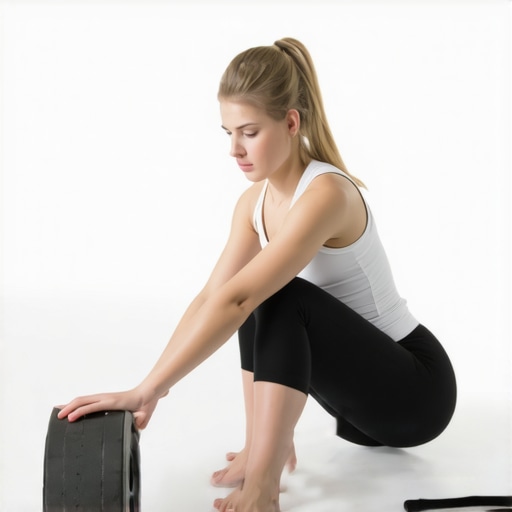
The Unspoken Truths About Back Relief That Changed Everything
One of the biggest lessons I learned was that persistent back pain often hides in overlooked details, from subtle posture habits to seemingly small bike adjustments. Real progress came when I stopped relying solely on advice and started listening to my body’s responses. That moment of awareness—recognizing which tiny tweak made a significant difference—became my secret weapon for lasting relief.
Another insight was that continuous micro-adjustments are far more effective than sporadic, drastic changes. My back health improved dramatically when I incorporated quick daily routines, emphasizing consistency over intensity. This personalized approach is a game-changer, proving that small, regular efforts can accumulate into profound well-being.
The most unexpected revelation was that posture habits outside of cycling, like sitting at my desk or sleeping position, directly impacted my back condition. Addressing these daily environments created an internal synergy, amplifying the benefits of bike fit. So, optimizing every aspect of my postural habits became essential in my journey toward pain-free cycling and daily movement.
Carving Your Path with Trusted Tools and Resources
Over the years, I’ve curated several tools that became invaluable in maintaining back health. The Mobility Mastery program offered me structured guidance on mobility exercises that complemented bike adjustments perfectly. A high-quality foam roller like the Rumble Roller helped me release muscle tension and enhance flexibility, which proved crucial during recovery phases. Additionally, apps focused on posture correction became my silent allies, gently nudging me toward better habits without overwhelming my busy schedule.
Books like these mobility strategies provided deeper insights into the mechanics of movement, reinforcing what I practice daily. And lastly, engaging with online communities and expert content kept me motivated, ensuring I continued refining my approach rather than reverting to old, harmful patterns. Trusting these resources made my journey toward back health both sustainable and rewarding.
Your Next Move Starts Today
Remember, mastering back care isn’t a one-time effort—it’s an ongoing pursuit rooted in curiosity, consistency, and mindful adjustments. Every small step you take builds resilience, turning pain into strength and discomfort into confidence. You deserve a life where movement feels natural and pain-free, and these lessons can serve as your foundation. So, why not start today? Embrace the process, make those micro-changes, and celebrate every progress along the way.
What small adjustment will you try first to improve your back health? Share your plan below—I’m excited to hear your journey!