
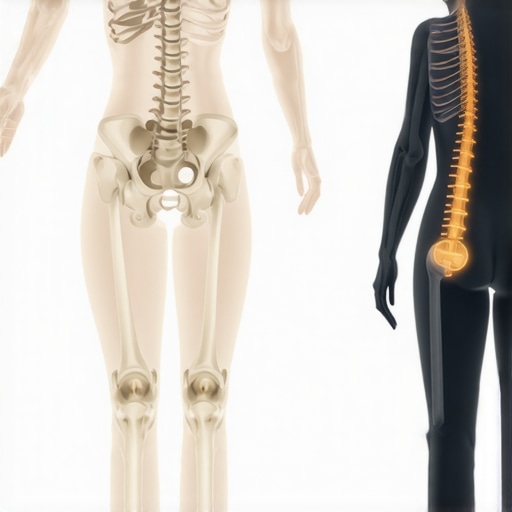
I remember the exact moment I realized my walking pattern was causing more harm than I thought. It was during a casual walk in the park when I suddenly felt a sharp pain in my hip, just on one side. That stabbing sensation jolted me—how could such a simple activity turn into discomfort so quickly? For months, I had been ignoring subtle signs: uneven strides, a lingering limp, and occasional soreness, all because I believed it was just part of aging or stiffness. But the truth was, I was unknowingly reinforcing a chain of issues that made my pain worse, not better.
Why Fixing Your Gait Could Be the Key to Ending One-Sided Hip Pain
If you’re experiencing persistent hip pain concentrated on one side, you’re not alone. It’s a common problem that often sneaks up on us. Our gait—the way we walk—plays a crucial role in how our hips function and can either alleviate or aggravate discomfort. When I first learned this, I was skeptical. I’d tried everything: stretching, painkillers, even physical therapy. But it wasn’t until I focused on my walking habits that I found lasting relief. Addressing gait imbalance is like tuning up a car; small adjustments lead to big improvements.
Research suggests that improper gait mechanics are linked to uneven stress distribution across the hips, which can result in chronic pain over time. Correcting your gait isn’t just about walking properly; it’s a targeted approach to balance your body and reduce unnecessary strain. If you’ve ever wondered why your pain persists despite rest and medication, it might be time to look at how you move daily. More often than not, habitual movement patterns are at the root of recurring hip issues.
Is It Really Worth the Effort to Fix Your Gait?
Here’s where I’ll admit to a mistake I made early on—focusing only on exercises without correcting my walking style. That was a misguided effort. Without addressing the root cause, my pain kept coming back. Proper gait correction takes effort but can save you months, even years, of discomfort. For practical tips and actionable steps, you might consider [daily adjustments to alleviate back pain and improve posture](https://chiromasteryz.com/daily-adjustments-to-alleviate-back-pain-and-improve-posture). With patience, you can retrain your body to move pain-free, and I’ll show you how in the next sections.
Identify and Mirror Healthy Walking Patterns
Start by observing how you walk. Use a mirror or record your gait. Notice if one hip seems to move differently or if you’re favoring one side. To retrain your gait, you need a clear mental picture of what correct movement looks like. I recall a morning when I set up a mirror in my hallway — watching my stride revealed I was unintentionally dragging my right foot. I paused, took a few conscious steps focusing on even weight distribution, and gradually my pattern improved.
Gradually Incorporate Gait Adjustments During Daily Activities
Implement small, mindful changes during simple routines. For example, when walking to the mailbox, focus on engaging your core, lifting your chest, and ensuring your feet land evenly. Think of your body as a well-oiled machine — each part needs to work in harmony. I chose to do this during short walks, pausing to check my posture and foot placement, which helped reinforce proper mechanics. Over time, my hips felt less strained, and I noticed a smoother walk.
Strengthen Supporting Muscles for Balance
Target muscles that stabilize your hips and pelvis, like glutes, core, and leg muscles. Incorporate exercises such as bridges, plank variations, and side-lying leg lifts. For example, I added a set of glute bridges after my morning routine. Initially, it felt awkward, and I struggled to activate my glutes properly. But with consistent practice, I gained better control, which contributed to a more balanced gait and reduced hip discomfort.
Use Real-Time Feedback to Fine-Tune Your Movement
Utilize tools like mirror feedback or smartphone apps to monitor your walking form. Stand in front of a mirror and compare your gait with videos of healthy walking patterns. Alternatively, place a camera behind you to record and analyze your stride. I remember setting up my phone to record my walk around the block — seeing my uneven hip movements prompted me to consciously adjust. Repeating this process reinforced improvements and helped me develop an intuitive sense of proper gait mechanics.
Adopt Proper Footwear and Surface Awareness
Choose shoes that support natural foot motion and absorb shock. Avoid overly cushioned or rigid shoes that alter your normal gait. Walking barefoot occasionally on even surfaces can also help reconnect with proper foot positioning. I started dedicating weekend walks to barefoot strolling on grass, which improved my foot strength and awareness. This simple step led to a more grounded, balanced gait and less hip pain during daily activities.
Seek Professional Evaluation When Needed
If self-directed adjustments don’t yield results, consult a physical therapist or gait specialist. They can identify subtle biomechanical issues and provide personalized correction strategies. I visited a specialist after several weeks of self-training; their detailed assessment and tailored exercises accelerated my progress, helping me correct ingrained habits that contributed to persistent discomfort. Remember, professional guidance can be a vital step toward lasting relief.
Many individuals believe that simple postural adjustments or targeted exercises are the ultimate solution to back pain, but often, they overlook the subtle complexities that determine true progress. A common misconception is that correcting a visible misalignment guarantees relief; however, recent research suggests that the foundational issue often lies beneath observable symptoms. For example, focusing solely on surface-level posture without addressing underlying mobility deficits can lead to temporary fixes that quickly revert, perpetuating the cycle of pain. As explained in a study by the National Institute of Arthritis and Musculoskeletal and Skin Diseases, true improvement requires a comprehensive approach that includes mobility, strength, and neuromuscular control, not just appearance. In my experience, many practitioners make the mistake of emphasizing static posture corrections—like sitting tall or standing straight—without engaging dynamic movement patterns that sustain long-term health.
Be wary of the trap where people celebrate instant fixes, such as adjusting their keyboard height or using lumbar rolls, without considering habitual movement habits that undermine these efforts. Evidence shows that inconsistent patterns of movement reinforce maladaptive neuromuscular pathways, which can negate the benefits of postural corrections. For instance, if you attempt to improve your spinal alignment during routine activities but revert to faulty habits in your daily movements, your progress stalls. To truly progress, it’s vital to analyze the *nuances* of your movement patterns, integrating mobility exercises, neuromuscular training, and mindful activity adjustments.
For advanced practitioners seeking to elevate their understanding, consider the role of proprioception and motor control in maintaining healthy posture. Dr. Michael Shacklock emphasizes that sensory feedback loops within the nervous system are critical to sustaining proper alignment during complex movements. This highlights that a focus on dynamic stability—rather than static positions—is key to lasting improvements. Incorporating drills that enhance proprioception, such as balance or controlled motion exercises, can bridge the gap between static correction and functional movement.
Moreover, neglecting the importance of tissue health can lead to setbacks. For example, tight musculature or joint restrictions can limit mobility, making postural adjustments less effective. Regularly integrating mobility routines, like those outlined in [this comprehensive guide to daily spinal alignments](https://chiromasteryz.com/daily-adjustments-to-alleviate-back-pain-and-improve-posture), helps in maintaining a flexible, responsive system capable of sustaining good posture.
Ultimately, the key takeaway is that effective back pain management goes deeper than surface corrections. It involves understanding the intricate interplay between mobility, neuromuscular control, tissue health, and habitual movement patterns. Avoid the trap of seeking quick fixes and instead focus on cultivating a resilient movement foundation. Want to learn more about holistic strategies? Explore [this resource on postural correction that actually works](https://chiromasteryz.com/posture-correction-secrets-that-transform-back-pain-outcomes). Have you ever fallen into this trap? Let me know in the comments.
Maintaining your back health over the long haul requires more than just sporadic exercises or quick fixes. It demands the right tools and a consistent routine that adapts as your mobility and posture evolve. One of my top recommendations is investing in a high-quality foam roller, such as the NatraCure Foam Rollers, which I personally use to release muscle tightness and improve tissue mobility. Regular self-myofascial release with a foam roller helps prevent adhesions and promotes circulation, making it easier to sustain good posture during daily activities.
Another invaluable tool is a set of resistance bands, particularly for strengthening deep stabilizers like your transverse abdominis and rotator cuff muscles. I incorporate light resistance band exercises into my routine to reinforce core stability, which directly supports spinal alignment. Using bands allows for controlled, low-impact strengthening that can be tailored to your current mobility level. For software, I recommend mobility tracking apps like “Movements,” which help monitor your progress and alert you when routines need adjusting as you improve.
Professionally, I often suggest integrating guided video tutorials on proper movement patterns. Websites such as Posture Correction Secrets offer detailed demonstrations that can supplement your training—especially useful when reinforcing new movement habits or correcting ingrained patterns. Remember, consistency and mindful maintenance are the cornerstones of sustainable back health.
Looking ahead, the trend points toward smarter, personalized mobility solutions. Devices equipped with biofeedback or AI-driven movement analysis are starting to emerge, offering tailored exercises based on real-time data. I predict that in the next few years, integrating these intelligent tools will become standard practice for those serious about long-term back care. An example is the upcoming “Biomechanic Coach” app, which uses motion sensors to provide instant feedback during your routines, ensuring proper form and preventing injury.
How do I keep my back in shape without hassle?
To keep your back healthy over time, focus on routine maintenance. Incorporate daily mobility drills, such as gentle spinal twists or hip openers, that target your unique stiffness points. Using tools like a foam roller or resistance bands consistently will reinforce tissue health and muscular balance. Additionally, allocate a few minutes each day to monitor your posture and movement quality, perhaps by recording your walk or using posture apps. This proactive approach ensures issues are caught early before they escalate.
If you haven’t already, give a dedicated mobility routine a try—like those outlined in Mobility Mastery. For a more personalized plan, consider consulting a professional who can assess your specific needs and recommend customized tools. Consistent, mindful maintenance using reliable equipment can transform your back health, making pain a thing of the past.
Remember, progress hinges on sustained effort and smart tool choices. I encourage you to test out a new mobility device this week—like a foam roller or resistance band—and observe how it enhances your routine. Small, consistent improvements today pave the way for long-term comfort and mobility, ensuring you stay active and pain-free for years to come.
The Hardest Lesson I Learned About Adjustments, Back Pain, Posture, Mobility
One of my most profound realizations was that quick fixes rarely lead to sustainable relief. I used to believe that stretching or static posture tweaks alone could solve my hip pain, but I overlooked the importance of dynamic movement and habitual patterns. It took persistent trial and error, along with listening to my body’s subtle cues, to understand that real progress stemmed from integrating mobility routines into my daily life. Recognizing this shifted my entire approach, emphasizing consistency and mindful movement over temporary relief.
Tools That Transformed My Approach to Back and Hip Health
Over the years, I’ve found certain tools indispensable. A quality foam roller, like those from this trusted resource, became my go-to for fascia release, helping me maintain tissue health and mobility. Resistance bands provided controlled strengthening, especially for stabilizers like the glutes and core—crucial for balanced gait. Elevating my understanding, books such as Posture Correction Secrets offered detailed insights. These tools collectively empowered me to stay proactive in my journey toward pain-free movement.
Keep Moving, Keep Improving—Your Future Awaits
The most vital step you can take today is to embrace ongoing mobility and posture awareness. Remember, progress isn’t linear—it’s about showing up consistently and adjusting as you grow stronger and more aware of your body’s needs. Imagine waking up each morning feeling refreshed, capable of moving with ease and confidence—that’s the goal. You have the power to transform your back health by integrating the lessons learned here. Starting today, take that first small step—your future, pain-free self will thank you.
What’s one habit you’re willing to change to improve your gait and reduce hip pain? Share your thoughts below—I’d love to hear your story!