
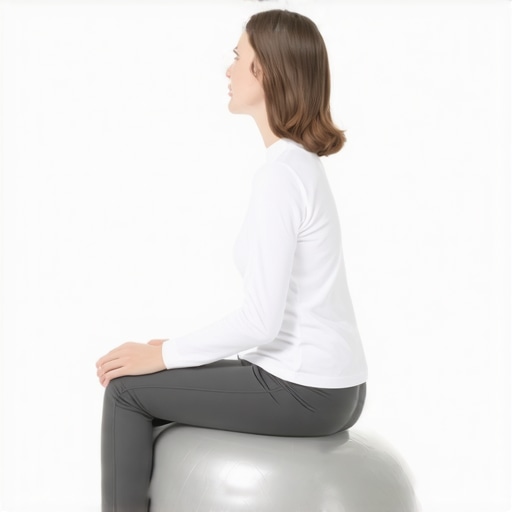
Have you ever settled onto a yoga ball, feeling optimistic about improving your posture, only to be hit with a sudden, sharp back ache that somehow feels worse than before? I remember the moment vividly. I was excited to incorporate a more dynamic sitting routine into my day, thinking that a simple change could alleviate my nagging back discomfort. Instead, I ended up in more pain, frustrated and questioning if I’d just made things worse. That lightbulb moment made me realize one thing: not all sitting on an exercise ball is created equal—and, if done improperly, it can backfire spectacularly.
Why Sitting on a Yoga Ball Can Be a Double-Edged Sword
Using a yoga ball as a chair sounds like a fantastic way to engage core muscles and promote better spinal alignment, doesn’t it? But here’s the catch—without proper technique, it can actually contribute to the very back pain you’re trying to escape. When I first started, I’d haphazardly hop onto the ball, bouncing around like a kid on a pogo stick, thinking I was engaging my muscles. Instead, I was placing my spine in a precarious position, often slouching or overextending, which only aggravated my existing issues.
Research shows that improper sitting postures on unstable surfaces can lead to increased lumbar stress and muscle fatigue. According to a study published in the Journal of Physical Therapy Science, poor posture during dynamic sitting can significantly increase strain on the lumbar spine, resulting in discomfort or even injury. This podcast [Chiromasteryz](https://chiromasteryz.com/mobility-mastery-simple-exercises-to-relieve-chronic-back-pain) highlights how small, unintentional habits—like hunching forward or leaning too far back—turn a potentially beneficial activity into a source of pain.
So, how do we enjoy the benefits of sitting on a yoga ball without risking a relapse or worsening back issues? The key lies in understanding the right approach, which involves more than just plopping down and bouncing around. And that’s what I’ll guide you through today—step-by-step, with tips based on personal experience and expert insights.
Is all this effort worth it, or am I just chasing a mythical solution?
Honestly, I’ve made my share of mistakes early on—like neglecting to adjust the height of the ball or ignoring my core strength. These missteps taught me valuable lessons and helped me avoid unnecessary discomfort. If you’ve faced similar struggles, know that patience and proper technique are your best friends.
Now, let’s set aside the doubts and dive into how you can sit on that yoga ball confidently and comfortably, avoiding common pitfalls along the way. Ready to transform your sitting habits into a pain-free, mobility-boosting routine? Let’s get started.
Adjust Your Ball Height for Optimal Posture
Start by setting the yoga ball to a height where your thighs are parallel to the ground when seated. Think of this as like adjusting a saddle on a bike—if it’s too high or low, your posture suffers. I vividly remember tweaking the height during a messy morning session; after some trial and error, I found that my knees formed about a 90-degree angle, which instantly alleviated strain on my lower back. Use a mirror or ask a friend to help you achieve this precise height for better support.
Engage Your Core While Sitting
Picture your core muscles as the shock absorbers of your spine—when engaged, they cushion every movement. Once seated, gently draw your belly button towards your spine and hold for a few seconds. I initially forgot to do this, and found myself bouncing excessively, causing more discomfort. Micro-movements like these activate stabilizing muscles, helping to maintain healthy spinal alignment during prolonged sitting.
Create a Dynamic Sitting Routine
Don’t just plop down and stay static; incorporate small, deliberate movements. For example, shift your weight slightly side to side or perform gentle pelvic tilts, similar to rocking a boat gently in calm waters. During a hectic workday, I set a timer for 30-minute intervals to remind myself to move, which prevented stiffening and promoted circulation. These micro-movements prevent the spine from locking into poor postures, reducing chronic tension.
Maintain Neutral Spine Alignment
This means keeping your head, shoulders, and hips aligned along a natural curve, like stacking blocks carefully. To check this, imagine balancing a tray of drinks on your head—your neck should be straight, not jutting forward or craned upward. I caught myself leaning forward during a trial session; correcting my head position instantly eased pressure on my cervical spine, demonstrating the importance of keeping a neutral posture. Adjust your sitting position so that your ears are over your shoulders, and your shoulder blades rest softly against your back.
Keep Feet Flat and Supportive
Your feet should be flat on the ground, creating a tripod supporting your pelvis. Think of your feet as the foundation of a building—if one side sinks, the whole structure becomes unstable. When I noticed my feet lacking proper contact with the floor, I felt my pelvis tilt slightly, increasing lumbar strain. Using a small footrest if necessary ensures your hips and knees align, promoting better lumbar support and decreasing back fatigue.
Limit Bounce and Unnecessary Movements
While some bounce can engage muscles, excessive bouncing is akin to riding a roller coaster—funny at first but exhausting and damaging over time. During initial attempts, I bounced too vigorously, which amplified my back pain. Focus instead on subtle shifts and exercises like seated pelvic rocks or gentle twisting, which stimulate circulation without destabilizing your spine. Remember, stability is key; think of yourself as a tree in the wind—flexible but rooted.
Incorporate Routine Spinal Adjustments
To complement your sitting technique, integrate daily spinal alignment exercises, like those described in routine spinal adjustments. These small, consistent movements can prevent stiffness and maintain mobility, making your yoga ball sitting routine more effective over time.
Many believe that good posture is simply about standing upright or aligning your spine correctly, but the truth is more intricate. One common misconception is that static corrections alone can resolve chronic back issues. However, experts emphasize the importance of dynamic movement patterns and neuromuscular control. Research in the Journal of Bodywork and Movement Therapies highlights how subtle motor control deficits—often overlooked—play a critical role in ongoing pain and instability. These nuances mean that focusing only on static postures without engaging the body’s natural stabilizers can lead to persistent problems.
A significant trap many fall into is believing that immediate relief from adjustments or support devices signifies long-term healing. In reality, temporary pain reduction can mask underlying movement dysfunctions that worsen over time if unaddressed. When I first relied solely on adjustments, I found temporary relief but noticed my mobility plateaued, and pain resurfaced. Deepening your understanding beyond surface fixes by exploring advanced mobility techniques can prevent this cycle.
<> The Myth of Perfect Posture: Why Symmetry Isn’t Everything
Achieving perfect symmetry in posture is often touted as the ultimate goal. But for most, trying to attain absolute symmetry can lead to overcorrection and muscle imbalance. It’s more beneficial to aim for functional alignment that accommodates your unique anatomy and daily activities. This insight is supported by studies showing that overemphasis on symmetry may inadvertently cause compensatory patterns, leading to increased stress elsewhere in the back. Remember, your body adapts to your habits over time, and flexibility in posture tends to be healthier than rigidity.
A classic mistake is neglecting the importance of proprioception—the body’s ability to sense its position in space. Enhancing proprioception through specific exercises can foster better motor control and stability, reducing injury risk. For example, simple mobility exercises can retrain your body’s awareness and improve resilience.
What about adjustments? Many think that regular chiropractic or physiotherapy adjustments are the silver bullet. While they can provide symptomatic relief, relying solely on these without addressing underlying movement patterns and neuromuscular control often results in recurrence. A holistic approach involves integrating routine daily spinal routines and targeted mobility work.
Have you ever fallen into this trap? Let me know in the comments, and together, we can uncover effective strategies that go beyond the surface and truly enhance your back health.Maintaining the progress you’ve made with back mobility and posture requires the right tools and techniques. Personally, I swear by specific equipment that has helped me sustain long-term results and scale my routines effectively. One essential item is a high-quality **exercise ball** with a textured surface—I’ve found that softer, textured balls not only improve grip but also provide better stability during dynamic sitting exercises. I recommend a size that allows your knees to be at a 90-degree angle when seated, ensuring optimal alignment and engagement of core muscles.
For monitoring your posture during exercises and daily activities, I use a **posture-correcting smart sensor** like Upright GO, which vibrates gently whenever I slouch. As someone who has tried various methods, having real-time feedback has drastically improved my awareness and consistency. These devices are increasingly sophisticated, with apps that offer personalized exercises to strengthen weak areas, which is crucial for long-term maintenance.
Another game-changer for me has been a **foam roller** designed specifically for my back and hips. I prefer a firm, dense foam roller that targets trigger points and enhances my flexibility, especially after long sitting periods. Regular rolling, about 2-3 minutes daily, helps prevent stiffness and restores blood flow.
How do I maintain these habits over time?
Consistency is key. I schedule specific times during my day for mobility drills using apps like enhance your mobility tips for 2025. I also keep my foam roller in a visible spot to remind myself to roll out tight muscles. Over the years, I’ve learned that integrating these tools into my daily routine, along with incremental adjustments, keeps my back pain at bay. Moving forward, I predict the trend will involve even smarter wearable tech that automatically adjusts supportive devices based on real-time data, further personalizing long-term care.
If you’re serious about maintaining your back health, I encourage you to try incorporating a posture sensor device into your routine. These tools offer immediate feedback and help you build better habits, preventing minor issues from becoming chronic problems. Remember, the key to sustained mobility isn’t only about quick fixes but consistent, informed efforts that adapt to your evolving needs.
What My Toughest Back Battle Taught Me
One of the most profound lessons I learned was that not every attempt at improving back health works instantly; patience and attention to detail are crucial. I once believed that simply bouncing on a yoga ball would magically straighten my posture, but I quickly discovered that improper technique intensified my discomfort. This experience underscored the importance of mindful practice and gradual adjustment.
Additionally, I realized that understanding my body’s signals is vital—pain is often a messenger, and ignoring it can lead to setbacks. Listening carefully helped me refine my approach, emphasizing correct ball height and core engagement, which ultimately led to sustainable improvements.
Another insight was the significance of integrating movement into sitting routines. Static postures can be counterproductive; incorporating micro-movements like pelvic tilts and gentle twists kept my spine active and prevented stiffness. This reinforced the idea that consistency and dynamic practice are key to lasting mobility.
My Go-To Resources to Keep Back Strong
First, I trust the Mobility Mastery exercises guide — it offers practical, science-backed routines that have helped me cultivate better movement patterns and relieve chronic tension. Second, the Expert Tips for Easer Movement in 2025 provide cutting-edge insights on integrating technology and mobility drills seamlessly into daily life. Lastly, I rely on a posture-correcting smart sensor—it has been instrumental in maintaining awareness of my alignment and avoiding bad habits that creep in during busy days.
Embrace Your Back Journey: It’s Personal and Ongoing
Remember, improving back health through mindful sitting and mobility isn’t a one-time fix; it’s a continuous journey. Every step, from adjusting your ball height to engaging your core and listening to your body’s cues, contributes to a stronger, more resilient back. Celebrate small victories along the way and stay committed to your practice—your future self will thank you.
What step will you try today to enhance your back health with dynamic sitting or mobility routines? Share your plans below—I’d love to hear how you’re making progress on your back mobility journey!