
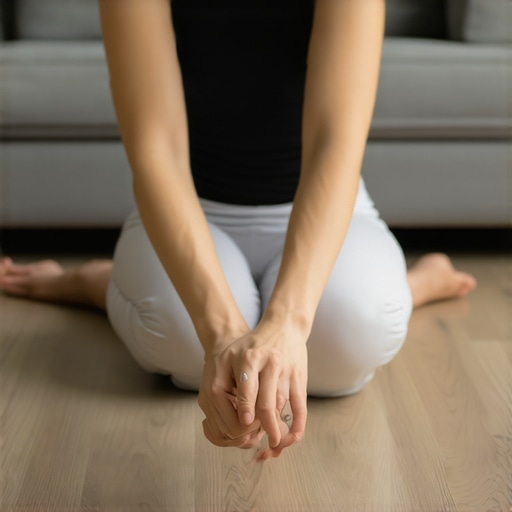
It was a frustrating Saturday afternoon when I finally realized why my hips ached every time I tried to sit comfortably on the floor. I was eager to embrace a more natural way of sitting, but instead, I ended up with sharp discomfort that lingered for hours. That lightbulb moment made me question what I was missing. Turns out, sitting cross-legged or in various floor positions without hurting your hips isn’t just about flexibility—it’s about understanding your body’s needs and making smart adjustments.
Why Your Hip Pain Happens When Sitting on the Floor
Many of us assume that if we can get into a certain seated position, we’re all set. But the truth is, our hips and pelvis are complex, dynamic parts of our bodies that require more than just patience. I made the mistake early on of neglecting proper mobility and posture, thinking that stretching alone would make a difference. Spoiler: it didn’t. Instead, I was pushing my hips into positions they weren’t ready for, and that only worsened the discomfort. Over time, I discovered that targeted movements and mindful positioning could transform my experience.
Research shows that modern lifestyles—especially prolonged sitting—can lead to hip stiffness and pain. According to a study published in the *Journal of Physical Therapy Science*, regular mobility exercises can significantly reduce joint discomfort and improve functional movement. So, my goal here is to share those insights with you, so you can sit on the floor without the nagging pain that many of us dread.
If this sounds familiar—if you’ve ever hesitated to kneel down or cross your legs because of pinching hips—you’re not alone. And yes, there’s hope. We’re going to explore simple, effective strategies that will help you unlock better mobility, improve your posture, and enjoy the richness of sitting comfortably on the floor again. Ready to start? Let’s dive into the core issues behind hip pain during floor sitting and how you can address them naturally and safely.
Mastering Hip Mobility Through Targeted Movements
Begin with gentle hip circles: stand upright, place your hands on your hips, and rotate your hips clockwise and counterclockwise for 30 seconds each side. I once integrated this into my morning routine, and over a week, I noticed reduced stiffness. These circles mimic the natural spinning of joints, loosening tight muscles and lubricating your hips. Incorporate exercises from mobility mastery to deepen your mobility gains.
Improve Posture with Micro-Adjustments
Adjust your sitting position incrementally to find a pain-free stance. Think of your pelvis as a ship’s rudder—small tilts can significantly change your direction. When sitting, ensure your hips are level, and avoid twisting your torso. I experimented with shifting my weight slightly forward, which alleviated my hip pinching. Use simple adjustments for better posture that prevent strain and support natural alignment.
Build Hip Flexibility with Consistent Stretching
Stretch the hip flexors regularly: kneel on one knee, with the other foot flat on the ground, and gently push your hips forward. It’s like tugging gently on a rubber band for flexibility. I included this stretch after recognizing tightness from prolonged sitting, and it made sitting on the floor far more comfortable. Discover effective strategies at mobility strategies to enhance your flexibility.
Leverage Supportive Props for Comfort
Use cushions or folded blankets to elevate your hips or knees; this alleviates pressure and mimics the natural cushioning your body needs. I started placing a cushion under my sit bones and immediately felt relief—much like a shock absorber. These simple tools can drastically improve your sitting experience without complicated equipment or routines.
Integrate Breathing to Relax Muscles
Deep, diaphragmatic breathing relaxes tight muscles and reduces tension around the hips. Take slow, deep breaths, filling your belly—this helps calm the nervous system and releases stored tension. Regular practice can be as effective as physical adjustments, soothing your tissues and making movement easier. Find more breathing techniques to boost your mobility here.
Commit to Daily Mobility Drills
Dedicate just 5-10 minutes daily to mobility drills such as hip swings, figure-eights, or the pigeon pose. Consistency trumps intensity; small, regular movements compound over time. I struggled with this at first, often neglecting my routine. However, once I committed, my hips became more resilient, and sitting for longer periods hurt less. Look into mobility mastery tips for a structured plan tailored to your needs.Many people believe that simply aligning their shoulders and practicing basic stretches will eliminate chronic back pain. However, this perspective misses a crucial aspect: the intricate relationship between mobility, muscular imbalances, and neural pathways. Contrary to popular advice, forcing yourself into ideal postures without addressing underlying movement patterns can do more harm than good. This common misconception often leads to what I call the “fix-it-all” trap—applying rigid corrections hoping for instant relief, but ultimately stiffening tissues and reinforcing faulty movement habits.
For example, emphasizing static posture corrections can neglect the importance of dynamic mobility. A study published in the *Journal of Physical Therapy Science* highlights that mobility exercises targeting multi-plane movements are far more effective in reducing back discomfort than mere static positioning. When we focus solely on how we look or how Maintaining good posture and mobility isn’t a one-and-done effort; it requires consistent use of effective tools and techniques that support your progress over time. One of my go-to resources is a set of mobility exercises detailed in the article Mobility Mastery. I particularly swear by resistance bands—they’re incredibly versatile and affordable, enabling me to perform targeted stretches and strengthening routines that bolster my back muscles and improve flexibility.
Another essential tool is a lumbar roll or small cushion, which I use daily when sitting at my desk. This simple device helps maintain the natural curve of my lower back, preventing slouching and reducing strain. Incorporating ergonomic accessories like adjustable standing desks has also revolutionized my approach to posture, allowing me to switch between sitting and standing, which is vital for long-term spinal health.
Progressing in this area also ties into my use of posture-tracking software apps, such as Upright GO, which gently reminds me to sit upright whenever I start to slouch. These digital tools create awareness and build better habits through real-time feedback. Looking ahead, I predict that wearables integrating sensors and AI will become even more precise and personalized, offering tailored recommendations based on your unique movement patterns.
Balancing these devices with periodic manual adjustments—like the routines outlined at posture correction secrets—ensures sustainable progress. To truly benefit, I recommend trying the advanced tip of incorporating resistance band shoulder pulls into your daily routine; this not only strengthens the shoulder girdle but also promotes better spinal alignment. Consistency is key, so set aside 5 minutes daily to perform this exercise and watch how your posture improves gradually but surely.
Little Secrets That Changed My Approach to Hip Pain
One of the most eye-opening lessons I learned was that the journey to comfortable floor sitting isn’t about forcing your hips into perfect positions—it’s about respecting their natural limits and gently expanding those boundaries over time. I used to believe that stretching more would inevitably lead to instant relief, but I discovered that patience, combined with targeted mobility work, created true progress. Recognizing the importance of listening to my body’s cues—like subtle tightness or discomfort—helped me avoid injury and foster sustainable mobility gains.
Favorite Tools That Made a Real Difference
Over the years, I’ve curated a set of resources that genuinely support my mobility journey. Resistance bands became my go-to for controlled stretches that strengthen and lengthen hip muscles without strain. Cushions and supports, like lumbar rolls, transformed my sitting experience at my desk, offering relief from pressure points. I also rely on posture tracking apps to maintain awareness throughout the day, making small adjustments that add up. These tools aren’t just gimmicks—they’re essential companions in creating lasting change.
The Power of Mindful Movement and Self-Compassion
Perhaps the most profound insight is that progress isn’t linear. There will be days of frustration and setbacks, but cultivating patience and compassion towards myself made all the difference. Incorporating mindful breathing during stretches relaxed tense muscles and deepened my mobility slowly. Remembering that every small effort counts helped me stay committed, knowing that in time, comfortable sitting on the floor can become a natural, pain-free experience for you too.