
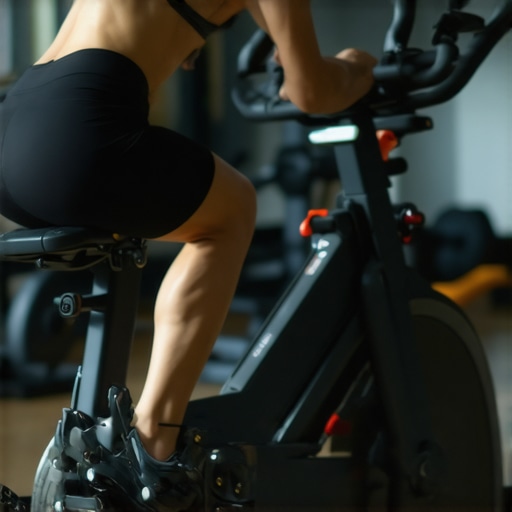
It hit me one afternoon during a long meeting—my lower back ached, and I felt that dull, nagging stiffness creeping up my spine. I realized I hadn’t really engaged my glutes all day. That moment was a lightbulb: maybe, just maybe, my glutes had gone into hibernation while I sat glued to my chair. If you’ve ever experienced persistent hip tightness, lower back discomfort, or that elusive feeling of sluggish movement, chances are your glutes might be sleeping on the job. And honestly, I see this all the time in my practice: people walking around, feeling stiff or sore, clueless about how much their glutes are holding them back.
The truth is, your glutes are some of your biggest and most powerful muscles. Yet, surprisingly often, they become lazy or unengaged due to prolonged sitting, poor posture, or lack of movement—especially in our tech-heavy, desk-bound lives. And when they are dormant, other muscles take over, leading to imbalances, aches, and even injury.
Today, I want to promise you something: by understanding how to tell if your glutes aren’t firing properly, and applying simple awakening exercises, you can significantly improve your posture, reduce pain, and move with more ease. Sounds good, right?
Why Your Glutes Might Be Checking Out—And Why It Matters
Your glutes are crucial for stabilizing your pelvis, supporting your lower back, and powering your walking and running. When they aren’t working correctly, your body compensates by overusing other muscles—like your lower back or hamstrings—leading to strain and discomfort. But here’s the kicker: many of us don’t realize that our glutes are underperforming until aches become persistent.
A common mistake I see early on is neglecting these muscles altogether—assuming that doing some squats or leg lifts is enough. But without proper activation, these exercises won’t be as effective. I’ve learned from experience (and from the science!) that specific, targeted glute activation routines are the first step toward restoring their function. For more insight on relieving chronic back pain thanks to better mobility, check out my recommended simple exercises [here](https://chiromasteryz.com/mobility-mastery-simple-exercises-to-relieve-chronic-back-pain).
Have you ever felt frustrated because you did all the exercises but still feel tight or sore? It’s often because your glutes aren’t engaging as they should, and you’re missing the underlying issue. Don’t worry—I’ve been there too, and I’ve seen countless patients transform their movements just by waking up these dormant muscles.
Staying sedentary or sitting for hours can be one of the most overlooked culprits. According to recent studies, sitting for more than six hours a day can reduce glute activity by up to 70%. That’s a huge part of why so many people struggle with hip pain and lower back discomfort. Recognizing this pattern is the first step toward taking control of your mobility.
In the next section, I’ll walk you through specific signs that indicate your glutes are not firing properly—and simple ways to get them back online. Ready to feel more confident in your movement? Let’s dive in.
Activate Your Glutes with Simple Movements
Start by lying on your back with knees bent and feet flat on the floor, about hip-width apart. Gently squeeze your buttocks muscles, hold for three seconds, then release. Repeat this 10 times, focusing on feeling the contraction. During my own routine, I once added a timer to track my reps, which helped me stay mindful and engaged—changing my perception of exercises from routine to intentional activation.
Incorporate Bridge Exercises for Strength
Progress to a bridge: lie on your back, knees bent, feet flat, arms by your sides. Press through your heels to lift your hips, creating a straight line from shoulders to knees. Hold for a few seconds, then lower slowly. This move is a staple, but I recall once trying to do too many reps at once, leading to fatigue. Quality over quantity is key—focus on controlled movement to ensure your glutes do the work.
Practice the Clamshell to Target Outer Glutes
Lie on your side with legs stacked and knees bent at 90 degrees. Keep your feet together as you lift the top knee without moving your pelvis. Pause, then lower. I included this in my routine after noticing habitual tight hips; it helped redistribute muscle engagement. Remember, maintaining core stability during this Exercise amplifies its benefits.
Loop in Dynamic Movements for Functional Activation
Stand with feet shoulder-width, slightly bend knees, and hinge forward from hips. Extend one leg straight back, keeping it parallel to the ground, then lower it. This is akin to a military move I learned during training; it mimics real-life movements, making glute activation more functionally relevant. Use a light resistance band around knees for added difficulty, ensuring muscles stay engaged throughout.
Apply Myofascial Release to Wake Up Tissues
Spend a few minutes rolling the glute muscles with a foam roller—target tender spots gently. I once used a tennis ball on stubborn knots, which temporarily worsened discomfort before relief. Be cautious: slow, controlled pressure yields the best results, and never roll directly over joints. Regular massage-like sessions increase blood flow, helping muscles to respond better to activation exercises.
Stay Consistent and Integrate into Daily Habits
Consistency transforms small efforts into lasting change. Set a reminder to perform these exercises twice daily—morning and evening. I advise pairing them with daily routines, like brushing your teeth or waiting for your coffee to brew. Over time, these habits rewire your muscle memory, preventing glutes from slipping back into dormancy. Remember, avoiding prolonged sitting by standing or walking every 30 minutes boosts muscle readiness.
Progress with Functional Tasks
Once exercises become habit, incorporate movements like lunges or step-ups into your day. These fine-tune your glutes’ responsiveness, similar to the progress I saw when I swapped my desk chair for a stability ball—an instant reminder to maintain active muscles during the workday. Transitioning from isolated exercises to functional movements ensures your glutes support you in real-world activity, reducing pain and improving posture.
Many people believe that simply stretching or doing common exercises will solve their mobility issues and alleviate back pain, but in my experience, this mindset can often be misleading. The truth is, most individuals overlook the nuanced factors that influence spinal health and posture, leading to ineffective routines and lingering discomfort. One pervasive myth is that all stretches are equally beneficial; however, some can actually reinforce poor movement patterns if not performed correctly or if they target the wrong muscles, potentially worsening existing problems. For example, stretching tight hamstrings without addressing pelvic tilt can deepen back issues rather than resolve them. Additionally, a common mistake I see is assuming that adjustments like foam rolling or manual therapy provide instant, lasting relief when, in reality, these are only part of a broader, integrated approach involving proper movement and habitual posture changes.
Furthermore, advanced practitioners often get caught in the trap of believing that spinal adjustments alone are sufficient. While these can offer temporary relief, long-term improvement depends heavily on understanding and correcting underlying movement patterns and muscle imbalances. An often overlooked detail is how habitual postures—such as slouching at a desk or crossing legs unevenly—can subtly erode spinal alignment over time. It’s not merely about one adjustment; it’s about rewiring daily habits, which is why comprehensive strategies are essential.
Have you ever fallen into this trap? Let me know in the comments.
Why do so many mobility exercises fail to produce lasting change despite the effort?
The answer lies in addressing the root cause rather than just symptoms. Research indicates that muscle memory and ingrained movement patterns can resist change unless consistently challenged with targeted, functional exercises. Studies by movement science experts, like those highlighted in the Journal of Bodywork and Movement Therapies, emphasize that incorporating habitual movement re-education is crucial for sustainable progress. Simply doing stretches without integrating them into daily routines often results in only temporary improvement. To truly reset your mobility, it’s vital to adopt a holistic approach—combining manual therapy, targeted exercises, and habit modification. For practical tips on building this foundation, check out my detailed guide on [mastering your mobility](https://chiromasteryz.com/master-your-mobility-top-strategies-for-moving-without-pain). Remember, real progress comes from understanding the nuanced interplay between muscles, posture, and movement—so don’t just stretch; re-educate your entire movement system.Maintaining healthy mobility and posture over the long term requires more than just sporadic exercises; it calls for the right tools and a disciplined approach. One of my personal favorites is the **foam roller**, which I use daily to release fascia tightness and prevent muscle knots that can compromise movement. Personally, I prefer the **Rumble Roll** due to its textured surface, which provides better self-massage and mimics hands-on myofascial release techniques that I often recommend in my practice. Regular use of a foam roller helps sustain tissue health, ensuring that muscles stay responsive to activation exercises, thereby reducing the risk of back pain and joint stiffness.
What I Wish I Knew About Glutes Until I Learned the Hard Way
Early on, I underestimated the role of proper muscle engagement, thinking exercises alone could solve mobility issues. But I discovered that without consistent activation, my progress remained stagnant, and pain persisted. Integrating mindful movements transformed my approach, showing me that quality and consistency beat sheer effort every time.
Another lesson was recognizing the importance of daily habits. Sitting for long periods snuffed out my glute function more than I realized. Small changes, like standing up regularly and incorporating simple routines, made a significant difference in reversing muscle laziness and restoring my movement confidence.
Finally, I learned that patience is key. Expecting overnight results can lead to frustration. Lasting change requires ongoing commitment, understanding that muscles need consistent attention and proper fueling through movement. Embracing this journey shifted my entire outlook on mobility and pain management.