
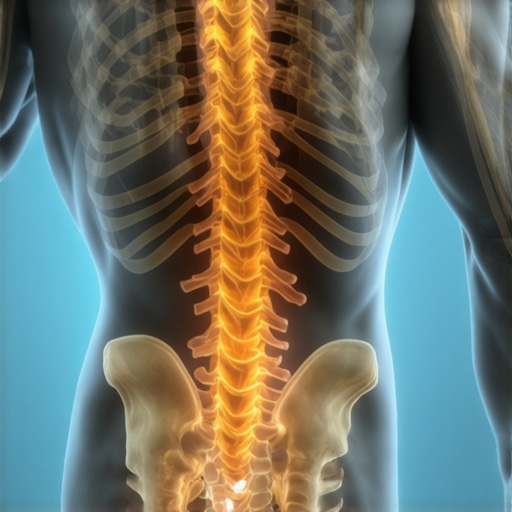
I remember waking up one morning, already dreading the dull ache in my hip. It wasn’t sharp, but it was persistent—like a slow-burning reminder that something was off. I tried stretching, rolling over, even ignoring it, hoping it would go away. But it didn’t. That unfamiliar discomfort made me question,
“Is this just my hip, or could my lower back be involved?” It was a lightbulb moment that changed how I approached my pain. I realized how easy it is to mistake hip problems for issues originating from the lumbar spine, mainly because they’re so closely connected. It turns out, many folks experience pain that feels purely local, but isn’t—your back may be the real culprit.
Why Your Hip Pain Might Be Hidden Lumbar Trouble
Many of us tend to focus on the area where the pain is most noticeable. If your hip aches, it’s natural to assume something’s wrong right there. But what if your pelvis, sacroiliac joint, or lower back muscles are pulling the strings? Studies show that about 60-70% of hip pain cases originate from the lumbar spine or the surrounding soft tissues rather than the hip itself (source: Chiromasteryz).
Early on, I made the mistake of treating my hip pain as a local issue—by applying topical gels and waiting it out. But it kept nagging me. That’s when I learned that misdiagnosing can delay proper treatment and prolong discomfort. Recognizing the signs that your back might be the true source of hip pain can be a game-changer, helping you pursue effective solutions faster.
So, how can you tell if your hip pain is whispering from your lumbar spine? That’s what we’ll uncover next. But first, I want to ask: Have you ever been convinced your hip issue was isolated, only to find out it was linked to your lower back? Sometimes, a different perspective makes all the difference.
Can You Trust Your Pain Signals? My Biggest Mistake
When I first started exploring this topic, I flunked the basic test—by ignoring the possibility that my back was involved. I was so focused on my hip that I overlooked the subtle clues: pain radiating down my thigh, stiffness after sitting, and relief when I moved a certain way. I wish I had known earlier that some of those signs are classic indicators of lumbar origin. That’s why I emphasize paying close attention to your symptoms and consulting trusted resources, like this office chair setup or experimenting with simple posture adjustments. Being aware of these details can save you months of unnecessary pain and frustration.
Lie Down and Reset Your Pelvis
Start by lying flat on your back on a firm surface, knees bent and feet flat on the ground. Gently tilt your pelvis by tucking your tailbone slightly, as if you’re trying to flatten your lower back against the floor. Hold this position for 10 seconds, then release. Repeat 10 times, focusing on smooth, controlled movements. I did this yesterday after hours at the computer, and immediately felt less tension in my lower back and hips.
Incorporate Gentle Hip Openers
Next, perform a 3-minute hip opener known as the figure-four stretch: lie on your back, cross your right ankle over your left thigh, and gently pull your left thigh towards your chest. Keep your head and shoulders relaxed on the ground. This stretches the piriformis and hip muscles, which often contribute to lumbar tension that radiates into the hip. I remembered to breathe deeply during this stretch, which helped release stubborn tightness I hadn’t noticed before.
Engage and Strengthen Core Muscles
Strong core muscles support your lower back and hips, so add targeted exercises like the deadbug variation. Lie on your back with arms reaching toward the ceiling, knees bent at 90°, and feet slightly lifted. Slowly lower your right arm and left leg toward the ground, keeping your lower back pressed into the floor. Return to start, then switch sides. Doing this daily improved my stability, making me less prone to painful misalignments.
Align Your Posture During Daily Activities
Pay attention to how you sit while working. Sit with your feet flat, knees at a 90-degree angle, and your lower back supported. Imagine a string gently pulling the top of your head upward to avoid slouching. Regularly check your posture throughout the day; small adjustments prevent the buildup of lumbar strain that can radiate into your hips. I installed a lumbar support cushion, which made a noticeable difference in my comfort during long work sessions.
Utilize Micro-Adjustments for Lasting Relief
Commit to frequent, brief posture tweaks—like adjusting your computer monitor height or switching sitting positions every 30 minutes. These micro-adjustments break the cycle of static holding patterns that cause stiffness. I found that standing up every 20 minutes to walk around and stretch my hips prevented the tightness from creeping back, especially after long meetings.
Implement Mobility Drills to Keep Moving
Incorporate mobility drills from experts, such as the thoracic rotation or deep squat checks, into your routine. These promote spinal flexibility and pelvic stability, crucial for avoiding misaligned hips and back pain. I set a reminder to do a quick mobility circuit before lunch, which revitalized my spine and reduced afternoon discomfort.
Seek Professional Guidance
If persistent pain remains, contact a specialist for tailored advice. Schedule an appointment through this link to ensure your adjustments are effective and safe. Remember, small, consistent changes build up to significant relief over time, transforming how your body feels each day.
Challenging the One-Size-Fits-All Adjustment Advice
Many assume that a quick chiropractic adjustment or simple posture tweak will resolve all back pain. However, in my experience, this mindset overlooks the complex interplay of muscular imbalances, joint restrictions, and neural factors that sustain pain. For instance, some practitioners focus exclusively on spinal manipulation, but recent research suggests that soft tissue mobilization and retraining motor patterns often yield greater long-term relief (source: Master Your Mobility). This nuance is crucial — your body doesn’t operate in isolated parts; it’s an integrated network requiring comprehensive strategies.
Beware of the ‘More Is Better’ Trap
Common advice encourages frequent stretching or aggressive adjustments, but this can backfire. Overstretched muscles become weaker and less supportive, increasing instability and risking further injury. I’ve seen many clients who increased their stretching routines drastically, only to experience exacerbated pain. Instead, targeted, controlled movements that enhance stability and proprioception often outperform prolonged or intense stretches. For example, strengthening the deep core stabilizers helps prevent recurring issues (Core Strength Insights).
Is Posture the Whole Story?
There’s a myth that perfect posture guarantees a pain-free back. While good alignment is vital, research indicates that static postures are less impactful than habitual movement patterns and muscular coordination. Studies show that individuals with excellent posture can still experience pain if their movement habits promote joint or muscle strain over time (Posture Adjustments). Therefore, focusing on dynamic mobility and neuromuscular control is often more effective than static corrections alone.
Don’t Fall for the Flexibility Fallacy
Another widespread misconception is that increased flexibility alone prevents back issues. In fact, excessive or uneven flexibility can create joint instability, especially if supportive muscles aren’t equally strong. A study published in Journal of Bodywork and Movement Therapies highlights that balanced mobility and strength are essential for spinal health. Incorporating strength training alongside flexibility exercises ensures the stabilizers do their job, reducing the risk of hypermobility-related injuries.
Remember, mastering the nuances of back health involves understanding these subtle factors and avoiding common pitfalls. For a comprehensive approach, consider integrating daily adjustments (daily adjustments guide) and consulting professionals who emphasize personalized strategies over one-size-fits-all solutions. Have you ever fallen into this trap? Let me know in the comments.
Maintaining your posture, mobility, and back health over the long term requires more than just sporadic stretches or one-time adjustments. It’s about integrating effective tools and strategies into your daily routine that support your body consistently. One of my go-to methods is leveraging specific software and equipment that make ongoing maintenance manageable and even enjoyable.
Prioritize Smart Posture Monitoring with Technology
I personally rely on posture reminder apps like Upright GO, which gently vibrates whenever I slouch. It’s a simple yet powerful way to develop awareness and correct habits in real time. I’ve found that consistent nudges significantly reduce the likelihood of bad habits forming, especially during long work sessions. For a deeper customization, I use ergonomics software that analyzes my workspace setup—ensuring my monitor height, chair, and keyboard positioning align to support healthy spinal curves, per guidelines from this resource.
Invest in Supportive Equipment That Reinforces Good Habits
While high-tech tools are helpful, physical equipment plays a critical role. I swear by adjustable standing desks like the FlexiSpot E7. It allows me to seamlessly switch between sitting and standing, which prevents stiffness and promotes circulation. An ergonomic stool paired with my desk encourages active sitting, engaging core muscles that support lumbar health. For those looking to fine-tune their sitting posture further, a quality lumbar support cushion—like the one featured in this article—can make all the difference during prolonged periods.
Long-Term Results Require Consistency and Feedback
Tools are only as good as the consistency with which we use them. I recommend setting up a routine—perhaps integrating posture checks using an app or scheduling brief mobility drills—as part of your daily workflow. Leveraging feedback from these tools keeps you accountable and helps identify emerging issues before they escalate. Over time, this builds resilience and stamina, making corrective habits second nature.
What’s the Future of Maintenance Tools? Expect Smarter Solutions
Looking ahead, I believe wearable sensors and AI-driven posture coaches will become standard in managing back and neck health, providing personalized insights and alerts. Emerging technologies will likely analyze movement patterns more precisely, offering tailored exercises and real-time corrections. Embracing these innovations can keep your body functioning optimally, long-term. For now, start by trying a simple device like a posture reminder app, coupled with regular micro-adjustments, as recommended in this guide.
How do I keep my posture improvement efforts sustainable over time?
The key is embedding these tools into your daily routines and making them habitual. Set reminders, track your progress, and celebrate small wins—such as consistently standing during meetings or adjusting your workstation. Remember, the goal isn’t perfection but consistency. Experiment with different support tools like lumbar cushions or adjustable desks until you find what seamlessly integrates into your life. And don’t forget to revisit and tweak your setup regularly, especially as your body changes over time. Maintaining awareness and embracing evolving solutions ensures your back remains healthy as you scale your mobility journey. If you’re interested in advanced strategies, I recommend exploring this upcoming resource for a glimpse into future mobility breakthroughs.
Throughout my journey to better back health, I uncovered surprising truths about the complexity of posture, mobility, and pain management. One of the most profound lessons was realizing that simple adjustments, when combined with mindful habits, create ripple effects of relief. The puzzle isn’t solved by a single movement or posture fix but by integrating a holistic approach that nurtures your body’s natural resilience.
What I Wish I Knew About Lasting Relief
- That the deepest benefits come from consistent tiny habits—like micro-adjustments during the day—that build a foundation for long-term health. Setting reminders to correct your posture or renewing mobility routines can prevent pain before it starts.
- Challenging my assumptions about stretching — believing more was better—led me to discover that targeted strengthening and stability work outperforms prolonged stretching for preserving mobility and avoiding injury.
- Recognizing the subtle signals my body sent—like slight discomfort or stiffness—enabled me to intervene early, avoiding escalation into chronic pain. Paying close attention to these cues turned my practice into a proactive rather than reactive process.
- That embracing technology—like posture apps and ergonomic tools—increases awareness and accountability, making healthy habits easier to sustain and adapt over time.
My Go-To Tools for a Pain-Free Life
- Upright GO: This gentle reminder device keeps me aware of slouching, fostering better posture awareness throughout my workday.
- Ergonomics software: Analyzing workspace setup ensures my monitor, chair, and desk promote proper spinal alignment—an essential step I swear by.
- Flexible standing desk: Switching between sitting and standing, especially with options like the FlexiSpot E7, keeps my spine mobile and my muscles alert.
- Supportive cushions and accessories: The side sleeping pillow and lumbar cushions I use significantly reduce strain and foster better sleeping and sitting postures.
Your Next Step Toward Freedom from Back Pain
The path to a healthier back isn’t about quick fixes but about embracing small, sustainable changes that empower you. Every step forward—be it a simple pelvic reset or a mindful posture check—saves you from unnecessary discomfort and opens the door to lasting well-being. Remember, your body is an intricate system that thrives on consistency, awareness, and gentle care. Embark today on this journey, knowing that each mindful movement builds resilience, unlocking a future where pain no longer controls your days.