
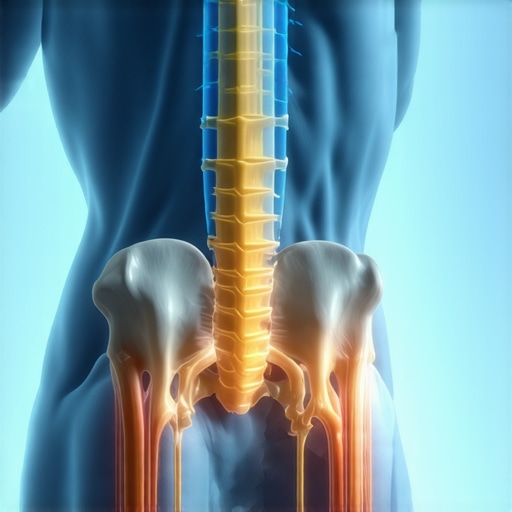
I vividly remember the moment I realized my persistent lower back discomfort was more than just typical soreness—it was a sign that my glutes weren’t firing properly. I was mid-rehab session, trying to bend forward, and felt that unmistakable sharp twinge shooting down my leg. It hit me—my pain wasn’t just about my back. It was coming from my glutes sneaking up and causing chaos in my sciatic nerve pathway. That realization was a lightbulb moment. Suddenly, I understood why some stretches or adjustments worked for others but left me still in pain.
Why Recognizing Glute-Related Sciatica Changes Everything
The truth is, many folks suffering from sciatic nerve discomfort don’t realize that the root cause might be sitting right in their own hips. Instead of thinking it’s a persistent back issue that needs constant patchwork, they overlook a crucial piece of the puzzle: their glute muscles. When those muscles become weak or dormant—often because of prolonged sitting or poor posture—they can trigger sciatic pain, mimicking or even amplifying back problems.
Identifying whether your sciatica is coming from your glutes is essential because it directly influences your recovery strategy. I used to chase after back exercises that didn’t address my glute weakness, only to find my pain returned. It took a few missteps, including ignoring the importance of targeted mobility work, before I saw real progress. That’s when I started digging into the connection between weak glutes and sciatic pain, and it transformed my approach.
Interestingly, studies show that glute muscles play a vital role not just in movement but also in spinal health. According to research published by the National Institutes of Health, weak glutes can lead to compensatory patterns that strain the lower back and irritate the sciatic nerve, creating a cycle of pain that’s difficult to break without targeted intervention (NIH, 2022).
So, have you ever felt that sharp, shooting sensation down your leg after sitting for too long or climbing stairs? If so, you’re not alone—and it might be your glutes whispering for attention. In the following sections, I’ll guide you through how to practically identify if your glute muscles are the culprits and, more importantly, how to address the issue effectively.
Assess Your Glute Engagement
Start by testing whether your glutes fire properly. Lie on your back, bend your knees, and lift your hips into bridge position. If you feel your hamstrings or lower back dominate, your glutes might be sleeping on the job. To activate them consciously, try squeezing your glutes tightly at the top of the lift. I remember one morning when I was struggling with ongoing sciatic pain; by deliberately engaging my glutes during this exercise, I noticed immediate relief in my leg tingling. This simple test can reveal if your glutes are underperforming and contribute to nerve irritation.
Integrate Specific Glute Strengthening Moves
Focus on exercises like single-leg bridges, clamshells, and side-lying hip abductions. For example, perform 3 sets of 15 repetitions on each side, ensuring quality over quantity. During one session, I incorporated clamshells while watching a favorite show, feeling awkward at first. Consistency in these targeted movements gradually built strength and stability in my hips, reducing sciatic flare-ups. These moves help re-engage dormant muscles and improve pelvic stability, which is crucial for alleviating nerve compression.
Prioritize Mobility and Flexibility
Don’t neglect the importance of loosening tight hip flexors and hamstrings that can inhibit glute activation. Incorporate dynamic stretches like leg swings and static holds such as pigeon pose. I personally added 30 seconds of pigeon stretch after my workouts, noticing increased range of motion in my hips within a week. Improving flexibility releases tension around the pelvis, allowing your glutes to engage more effectively and reducing the tug on your sciatic nerve.
Control Your Movement Patterns
Be mindful of habits like crossing your legs or sitting for prolonged periods, which can weaken glutes and exacerbate nerve pinching. Use cues like maintaining a neutral pelvis when standing or sitting. During my work-from-home days, I set reminders to stand and stretch every 30 minutes, preventing glute inactivity. This proactive approach keeps muscles active and prevents compensatory strains in your back or legs.
Apply Regular Self-Release Techniques
Use foam rolling or tennis balls to release tightness in the surrounding tissues. Focus on the gluteal muscles and hip area, rolling gently for 1-2 minutes per side. I remember dragging a tennis ball along my buttocks after long sitting sessions; the relief was immediate and kept my sciatic symptoms at bay. This self-massage helps break down adhesions and improve blood flow, supporting muscle recovery.
Combine Posture and Activation Strategies
Adjust your sitting and standing routines to promote optimal alignment. Consider the tips found at simple posture adjustments that can enhance glute engagement. When I consciously kept my pelvis neutral and avoided slumping, I noticed fewer episodes of leg tingling. Proper alignment allows your glutes to activate naturally during daily activities, reducing strain on your sciatic nerve.
Maintain Consistency and Patience
Remember, restoring muscle function takes time. Commit to these exercises daily, track your progress, and adjust as needed. I started with just five minutes a day, gradually increasing duration and intensity. Over weeks, I observed smoother movement, less pain, and improved confidence in my body’s resilience. Consistent effort is key to unlocking long-term relief and preventing future flare-ups.
Many individuals believe that a quick adjustment or a few mobility exercises can solve chronic back pain, but this oversimplification often leads to frustration and setbacks. In reality, most people overlook the subtle factors that influence their healing, such as the intricacies of spinal alignment and muscle coordination. For example, opting for typical crack-and-pop adjustments without addressing underlying movement patterns can actually reinforce misalignments over time instead of correcting them. Studies, like those highlighted in the work of Dr. Craig Liebenson, emphasize that addressing movement dysfunctions with comprehensive neuromuscular retraining yields better outcomes than just manipulating the spine (Liebenson, 2019).
Another common myth is that posture correction is solely about static positions, but dynamic movement and proprioceptive awareness play a crucial role. While static postures matter, the way you move throughout the day influences tissue health and joint integrity far more than static alignments alone. Moreover, relying purely on passive treatments like foam rolling or stretching without integrating active stabilization can create dependency, preventing long-term improvements.
Many practitioners and patients fall into the trap of believing that pain is always a direct result of structural issues. Rejecting this misconception involves understanding the complex neurological and biomechanical interplay. Pain can persist even after structural correction due to central nervous system sensitization, which is why approaches like graded motor imagery and pain neuroscience education are gaining popularity.
For advanced readers, consider the importance of assessing segmental mobility within the context of global movement patterns. The so-called “hidden nuance” is to recognize that local restrictions can be secondary phenomena resulting from remote dysfunctional areas. For example, a restriction in your thoracic spine may contribute to lower back strain through altered biomechanics. Skilled practitioners often perform regional interdependence assessments, integrating mobility, stability, and neuromuscular control for a holistic approach. You can learn more about this by exploring posts on posture correction secrets and mobility mastery.
Be cautious about the trap of focusing only on visible postural deviations without understanding the deeper functional causes. Poor motor patterns can be ingrained and resistant to static correction alone. That’s why integrating functional movement training, proprioceptive exercises, and strength stability work is essential for sustainable relief.
Have you ever fallen into this trap? Let me know in the comments. The key takeaway is that effective back pain management demands a layered approach—one that considers both structural alignment and the nuanced control of movement—rather than relying solely on adjustments or passive treatments.Maintaining a healthy back requires more than just occasional stretches; it involves using the right tools and strategies to support your progress over time. Personally, I rely on a combination of quality equipment and proven methods that ensure sustained results and adaptability as your body changes. One tool I swear by is the foam roller, specifically a dense, high-quality model that allows me to target tight tissues without causing bruising. Regular self-myofascial release helps break down adhesions and enhances blood flow, which is crucial for long-term flexibility and mobility.
Another indispensable asset is a posture coaching device like the Upright GO. This small, wearable sensor vibrates gently to remind me when I slouch, reinforcing proper alignment throughout my day. My approach is to integrate this tech into my routine, especially during long sitting periods, ensuring my muscular engagement remains optimal. This consistency prevents the buildup of compensatory patterns that can lead to pain or stiffness.
For tracking progress and customizing my routine, I use mobility-focused apps such as the Glo app or PhysioAdvisor, which provide guided exercises tailored to my needs. These platforms help me stay accountable, track improvements, and adjust intensity as I regain strength and flexibility. I believe that leveraging technology in this way is the future of sustainable back health—empowering you with real-time feedback and personalized plans.
In terms of long-term results, I emphasize establishing daily habits like mindful movement, gradual load progression, and periodic reassessments. For example, incorporating the simple daily ritual of engaging in a series of mobility exercises from Master Your Mobility helps me catch tightness before it escalates. Adaptive tools like adjustable lumbar supports or ergonomic furniture also play a significant role, especially for those working at desks. These aren’t just passive fixes—they are facilitators of good habits that reinforce proper posture.
Looking ahead, I predict that personalized, AI-driven biomechanical assessments will become standard, enabling even more tailored interventions. Imagine wearable sensors that provide real-time analysis of your movement patterns, guiding your corrections seamlessly.
How do I keep my back healthy over time?
The key is consistent use of these tools combined with a proactive mindset. Regularly schedule self-assessment sessions, stay updated with ergonomic best practices, and never underestimate the power of small daily adjustments. For instance, I challenge you to try integrating a targeted mobility drill like the deep glute release I mentioned earlier—it’s a game-changer for preventing sciatic flare-ups and maintaining overall function. Remember, building a resilient back is an ongoing process, supported by smart tools and informed habits that evolve with your needs.
Lessons That Changed My Approach to Back and Nerve Pain
One of the most profound lessons I learned was that persistent sciatic discomfort often hides in the muscles you’re least aware of—your glutes. Initially, I focused solely on my back, believing that stretches and adjustments would be enough. It wasn’t until I realized that weak and inactive glutes were pulling the entire kinetic chain out of balance that I finally started making real progress. Recognizing the subtle signs of glute underperformance—like billowing overtraining of hamstrings during bridges—became my game-changer.
Another insight came from understanding that mobility isn’t just about flexibility. It’s about functional movement that ensures muscles like the glutes are firing in harmony. This shift in focus helped me avoid the trap of static stretching alone, which often offers only temporary relief. Instead, I embraced targeted strength and activation routines, such as single-leg bridges and clamshells, which reawakened dormant muscles and eased nerve tension.
Finally, I discovered that mindfully controlling daily movement patterns—avoiding prolonged sitting, maintaining pelvic neutrality during tasks—not only prevents flare-ups but also reinforces the gains from my rehab work. Small habits, when practiced consistently, created ripples of change that transformed my experience from frustrating flare-ups to confident movement. These lessons emphasize that unlocking your glutes is less about intense workouts and more about conscious, strategic engagement—something I continually refine in my journey with back and sciatic health.