
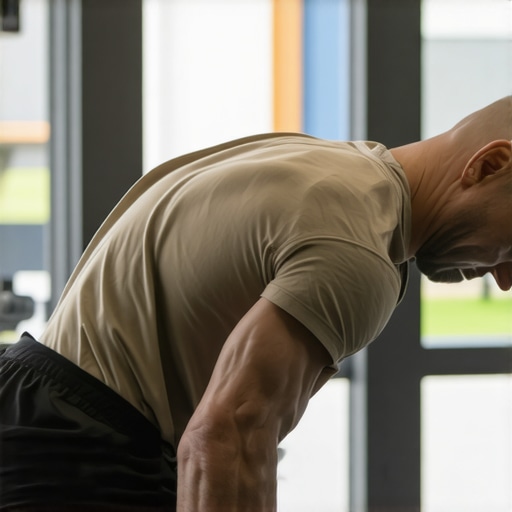
Ever found yourself hunched over your desk after a long workday, feeling that stiff, aching sensation in your upper back, and thinking, “Is this just aging, or is something else going on?” I’ve been there. There was a moment not too long ago—after a weekend of poor posture—that I finally realized I couldn’t move my upper torso as freely as I thought I should. It was startling. The kind of awakening that makes you wonder, “Am I doing enough to keep my mobility in check?”
Why You Should Care About Your Thoracic Mobility
The truth is, your thoracic spine—the middle segment of your backbone—is often the neglected hero of good posture and pain-free movement. When it’s restricted, it can cause a domino effect, leading to shoulder tension, neck pain, or even lower back discomfort. The good news? You don’t need a gym full of equipment or hours at a therapist’s office to get a handle on it. In fact, you can easily check your thoracic mobility in under a minute, right at home or in your office.
Feeling Skeptical? Here’s What I Messed Up Early On
I used to rely solely on stretching and hope for the best, thinking mobility would improve on its own. Turns out, I was doing it all wrong. I made the mistake of neglecting simple assessments that could catch limited movement early, trapping myself in unnecessary discomfort. That’s why I want to share this quick test with you today—so you won’t have to learn the hard way like I did.
Are you ready to discover a simple way to evaluate your upper back’s flexibility? It might just be the wake-up call you need to prevent pain and improve your everyday movements. And if you find your mobility isn’t quite what it should be, don’t worry—there are straightforward adjustments and exercises that can help. To learn more, you can explore helpful tips on unlocking better back health or consider scheduling a visit to ensure your spine is in top shape. Ready? Let’s dive in and see how your thoracic spine holds up—because knowing is the first step toward better movement and less pain.
Identify Your Mobility Limits
Start by performing a quick self-assessment to gauge your thoracic flexibility. Sit on a sturdy chair, cross your arms over your chest, and rotate your upper body side to side. Note how far you can comfortably turn without feeling strain or discomfort. I tried this during my lunch break, and I realized I was limited to just a quarter turn before feeling tightness. Recognizing this gave me a concrete starting point to work from.
Incorporate Targeted Mobilization Exercises
Use the Foam Roller Technique
Lie on your back with a foam roller positioned horizontally across your upper back, below your shoulder blades. Support your head with your hands and gently arch your upper spine over the roller, pausing at tight spots. This acts like a message for your muscles, loosening restriction. I did this after noticing stiffness, and within minutes, I felt a noticeable release. Regular practice can gradually increase your range of motion.
Practice Controlled Articular Rotations
Stand upright and slowly rotate your thoracic spine in a controlled manner, aiming for smooth, circular movements. Focus on maintaining good posture throughout. This builds awareness and stability. I found that integrating these rotations daily helped me move more freely during daily activities.
Adopt Ergonomic Habits to Sustain Mobility
Adjust your workspace so that your monitor is at eye level, and your chair supports your lower back. Avoid slouching or leaning forward for extended periods. I made small changes like raising my laptop slightly, which reduced the tendency to hunch forward. These micro-adjustments reinforce the mobility gains and help prevent tightening from poor posture.
Integrate Breathing and Posture Checks
Deep diaphragmatic breathing encourages chest expansion and unlocks thoracic mobility. During breaks, breathe deeply into your abdomen and expand your rib cage. I incorporated this into my work routine, and it became a quick reset for my posture. Coupling breathing with posture checks ensures your thoracic spine remains active and flexible throughout the day.
Seek Professional Guidance When Needed
If you experience persistent tightness or pain despite these efforts, consider consulting a chiropractor or physical therapist. They can perform detailed assessments and may suggest manual therapy or tailored exercises. I visited my provider after a few weeks of self-practice, and their guidance clarified the next steps, preventing me from developing bad habits that could exacerbate the issue. For more strategic improvements, explore effective posture tips.
Many assume that simply stretching or using posture braces will resolve chronic back issues, but the reality is often more nuanced. A common misconception is that poor posture is solely a matter of habits, ignoring underlying structural imbalances or movement patterns that require targeted intervention. For instance, some practitioners promote aggressive foam rolling without proper assessment, which can lead to increased tension if muscles are already hypermobile or if the issue stems from joint restrictions rather than muscle tightness. It’s crucial to recognize that not all mobility limitations are addressed effectively with the same approach; customizing strategies based on individual assessments is key. Moreover, many believe that once pain subsides, the problem is permanently fixed. However, this overlooks the importance of reinforcing proper movement patterns and ergonomic habits to sustain improvements. Advanced practitioners know to look beyond superficial fixes and identify dysfunctional movement chains that could cause recurring discomfort. For example, anterior pelvic tilt often gets blamed solely on tight hip flexors, but neglecting the role of core stability or hamstring flexibility can undermine long-term relief. An insightful question to consider is: How can we differentiate between muscular tightness and joint restrictions when designing treatment plans? Experts like Dr. Stuart McGill emphasize that understanding tissue-specific limitations leads to more effective rehabilitation strategies, especially when avoiding the trap of overgeneralizing stretching or strengthening protocols. Recognizing these nuanced factors can prevent common pitfalls and ensure your efforts lead to lasting change. If you’re unsure whether your approach addresses the root cause, consider consulting a professional and exploring detailed assessments. You can learn more about optimizing your posture and mobility through resources like simple adjustments for back pain relief. Remember, a one-size-fits-all method rarely works; personalized strategies are your best bet for sustainable results. Have you ever fallen into this trap? Let me know in the comments.Maintaining good posture and mobility is an ongoing journey that requires the right tools and consistent effort. One device I personally swear by is a **foam roller**, specifically the *Mark Bell The Roller*. I use it daily to target tight spots in my thoracic spine and hips, which has significantly improved my flexibility and reduced discomfort. The key is selecting a roller with a medium firmness; too soft and it doesn’t provide enough pressure, too hard and it could cause unnecessary strain. I’ve found that spending just five minutes on the roller in the evening helps me unwind and reinforces the mobility gains from my targeted exercises.
Another essential tool I rely on is a *massage stick*, like the *TheraBand FlexBar*. It’s perfect for self-myofascial release and strengthening exercises for areas prone to tension, such as the upper trapezius and latissimus dorsi. I incorporate it into my daily routine, especially after long hours at the desk, to prevent the buildup of muscular knots that can impede movement.
Regarding software, I recommend using posture tracking apps like *Upright GO*. This small device attaches to your upper back and provides real-time feedback on your posture, reminding you to sit upright and avoid slouching. Over time, this mindfulness translates into better habits, making posture correction more sustainable. I’ve noticed that consistent use, combined with periodic professional adjustments, helps maintain these habits.
For long-term results, I also incorporate a digital journal to log my mobility exercises, pain levels, and adjustments. Tracking progress helps identify patterns and areas needing more focus, ensuring I don’t regress over time.
Looking ahead, I predict that wearable technology integrated with AI will become more personalized, offering tailored exercises based on real-time posture analysis. Companies are already exploring smart garments embedded with sensors that monitor muscle activity to optimize movement patterns.
**How do I ensure I keep my mobility improvements over time?** Regular professional check-ins are crucial. I schedule periodic visits with a chiropractor who can perform manual assessments, perform adjustments if needed, and suggest new strategies as I improve. This prevents complacency and addresses any emerging restrictions early.
Implementing these tools—foam rollers, massage sticks, posture tracking devices, and consistent professional guidance—has transformed how I manage my back health. I encourage you to try integrating one of these tools into your routine. For instance, dedicate five minutes daily to foam rolling your upper back, focusing on tight spots identified during your self-assessment. This small commitment can lead to significant, sustainable improvements in your mobility and pain reduction. To deepen your understanding, explore resources like effective posture tips and consider reaching out for expert guidance at our contact page. Staying proactive with the right tools and support ensures your efforts last long-term and keep your back healthy and functional.
What I Didn’t Expect About Maintaining Mobility in Daily Life
I realized that real progress came from small, consistent habits rather than occasional intense workouts. Incorporating brief posture checks throughout the day and mindful breathing made a significant difference. It taught me that sustained change is built on everyday mindfulness, not just dedicated exercise sessions.
Tools That Transformed My Approach to Back Health
The foam roller and posture tracking apps became my silent allies. They provided immediate feedback and relief, making exercises more effective and less intimidating. Trusting these simple tools taught me that sometimes, simplicity is the key to lasting improvement.
The Power of Personal Reflection and Adaptation
Listening to my body’s signals—like gentle tightness or discomfort—guided me to customize my routines. Flexibility in approach and willingness to seek professional guidance prevented setbacks and fostered confidence. It reinforced that understanding one’s own body is essential for progress in mobility.
Where My Mindset Shifted About Pain and Prevention
I learned that proactively addressing minor restrictions before they turned into pain saved me time and frustration. Embracing a preventative mindset, rather than waiting for pain to force change, reshaped my entire approach. It made me realize that resilience in mobility starts before discomfort appears.
Curated Toolbox for Better Movement
From the effective posture tips to ergonomic adjustments, these resources provided me with reliable guidance. My trusted tools have been tested and proven in my journey, and I recommend them to anyone serious about lasting back health.
Your Next Step Toward Greater Freedom of Movement
Remember, every small effort counts. Building habits, leveraging the right tools, and continuously listening to your body creates a resilient, pain-free life. Don’t wait until discomfort disrupts your routine—start today. What’s one movement or habit you’re ready to improve to support your back health? Share below and let’s grow together in this journey toward better mobility.