
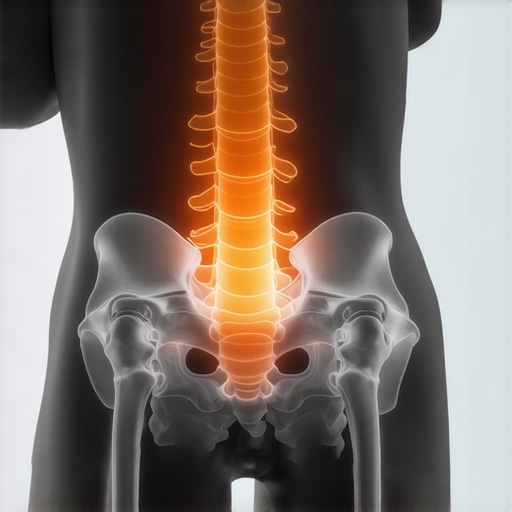
It was a typical morning, and I found myself grimacing as I tried to stand up from the sofa. The dull ache in my hips had turned into a sharp, persistent pain that refused to go away, no matter how many stretches I tried. That’s when I had my lightbulb moment: my wallet—yes, that bulky thing I carry in my pocket—might be the unsuspected culprit behind my pain. It sounds odd, but this small detail changed everything for me, and it could do the same for you.
The Hidden Link Between Wallets and Hip Pain
Many people overlook how their everyday habits and accessories influence their posture and overall mobility. Carrying a poorly positioned wallet, especially in your back pocket, can cause an imbalance that echoes through your hips, back, and even down your nerves. Over time, this misalignment can lead to chronic discomfort and nerve irritation. What’s fascinating is that simple adjustments, like repositioning your wallet or thinking more consciously about how you carry things, can bring profound relief.
Could Your Wallet Be a Secret Source of Pain?
Early on, I made the mistake of dismissing my wallet as just a tiny inconvenience. I carried it in my back pocket every day without thinking twice. But I ignored the fact that such habits could promote pelvic tilt or uneven pressure on my lumbar spine. As I learned more, I discovered this is a common, yet often overlooked, contributor to persistent hip and nerve pain.
In fact, a study from the National Institutes of Health highlights how pelvic misalignments can influence nerve pathways and cause lower back and hip issues. Recognizing these small lifestyle factors is crucial for long-term relief.
If you’ve ever experienced those nagging pains that seem to defy explanations, it might be time to examine your daily habits—starting with your wallet position. Fortunately, correcting this is straightforward and can be a game-changer for your mobility and comfort.
Ready to explore how tiny adjustments can make a huge difference? Stay with me as we uncover practical steps to take control of your pain and restore your movement.
Identify Your Wallet Pattern and Its Impact
First, observe where you habitually keep your wallet. I used to keep mine in my back right pocket daily, and I often felt a tug on my pelvis when standing or sitting for long periods. To assess this, sit with your wallet in different pockets and notice if any side causes discomfort or imbalance. This step is like tuning a musical instrument—small tweaks can restore harmony to your posture.
Switch to Front or Inside Pocket
Choosing a front pocket or a bag shifts the weight forward, reducing the asymmetry on your pelvis. I remember transferring my wallet to my jacket pocket during a busy week; initially, I felt awkward, but within days, my hip pain decreased significantly. Think of it as redistributing the load so your spine can rest. Avoid back pockets entirely if they cause discomfort, like ignoring a leaky pipe—small issues become bigger over time.
Practice Micro-Movements to Rebalance Posture
Engage in gentle pelvic tilts and hip rolls daily to counteract the misalignment caused by your wallet. For instance, lie on your back, bend knees, and rock your hips side to side. This is akin to adjusting the tension on a guitar string—you’re fine-tuning your alignment. I incorporated 5-minute sessions each morning, and noticed a reduction in hip stiffness, especially after long periods of sitting.
Adopt a Conscious Posture Routine
Set reminders to check your posture every 30 minutes. When I caught myself slouching, I reset by rolling my shoulders back and gently engaging my core. It’s like steering a boat—you need to make incremental adjustments to stay on course. Over time, this awareness corrected subtle imbalances, preventing pain before it starts. Regularly practicing these habits fosters resilience against daily strains.
Seek Professional Guidance for Lasting Relief
If discomfort persists despite these adjustments, consult a chiropractor or physical therapist. They can perform targeted adjustments and provide personalized strategies. For example, I visited a professional after two weeks of self-care; they identified hidden pelvis tilts and performed specific spinal corrections, which accelerated my recovery. Remember, small steps combined with expert advice create a solid foundation for lasting comfort.
Integrating these practical methods into your daily routine can dramatically reduce wallet-related hip pain. It’s about making intentional choices—like replacing your wallet in a more supportive pocket, engaging in movement, and staying mindful of your posture—that empowers you to regain mobility and comfort. For more detailed insights, explore how simple posture adjustments can make a difference in your life.
When it comes to correcting posture and managing back pain, many believe they’ve got the answers, but more often than not, they fall into subtle traps that hinder progress. A prevalent misconception is that one-size-fits-all adjustments or stretches are universally effective. In reality, each person’s anatomy and lifestyle create unique nuances that require tailored approaches. Relying solely on generic advice can sometimes do more harm than good. For instance, aggressive cracking or forceful manipulations, common in some ‘quick fix’ techniques, may lead to joint hypermobility or inflammation if not properly administered, as highlighted by recent clinical research on chiropractic interventions. Therefore, understanding that adjustments need to respect individual variations is vital to avoid injury and ensure lasting relief.
Another nuance often overlooked is the importance of appreciating the interconnectedness of the body’s kinetic chain. Many focus only on the symptomatic area—say, the lower back—without addressing upstream or downstream contributors like hip alignment or foot biomechanics. This oversight can lead to temporary relief but eventual recurrence. For example, failing to consider how tight hip flexors or weak core muscles influence spinal stability may cause stubborn pain to persist. A holistic view, emphasizing strength and flexibility balance across the entire chain, is essential. Check out mastering your mobility for deeper insights into this interconnected perspective.
How can I distinguish between a ‘proper’ adjustment and one that might cause harm?
Recognizing the difference hinges on the practitioner’s expertise and your body’s response. Proper adjustments are characterized by gentle, controlled movements that respect joint limits and avoid forcing beyond natural ranges. Be wary of techniques that cause immediate pain, resistance, or an unnatural cracking sound—these could indicate overzealous manipulation or improper technique. Moreover, professional practitioners will tailor adjustments based on an initial assessment, avoiding the common mistake of applying the same force regardless of individual joint health. Trust your body’s signals, and don’t hesitate to seek a second opinion if something feels off. For practical tips on making adjustments safely, see simple adjustments to relieve back pain.
Beware the trap of thinking that more force equals better results; it’s a misconception that can lead to injury. Gentle, consistent, and personalized adjustments—sometimes combined with movement strategies—are often more effective for enduring relief. Remember, expertise makes all the difference. Regularly updating your knowledge and consulting qualified professionals can help you navigate the fine line between effective correction and potential harm. Have you ever fallen into this trap? Let me know in the comments.
Invest in Precision Tools for Consistent Posture Improvement
Maintaining the gains from your posture adjustments requires more than just awareness—you need reliable tools that help reinforce proper alignment daily. I personally rely on a few key items that streamline my routines and ensure long-lasting results. A quality foam roller, for instance, helps me release tight muscles that may pull my spine out of alignment. I prefer the TriggerPoint GRID foam roller because its textured surface provides targeted pressure, mimicking the effects of professional myofascial release. Regularly using it after workouts or prolonged sitting keeps my muscles supple, making adjustments more effective and durable.
Another essential is a sturdy, adjustable lumbar support pillow for my office chair. I select models like the Everlasting Comfort lumbar pillow because it offers customizable depth and firmness, ensuring my lower back stays neutral throughout the workday. This simple addition prevents the gradual slump that leads to poor posture, helping me maintain the healthy spinal curves I’ve worked so hard to establish. Investing in such ergonomic supports is a proactive way to safeguard against regressions, especially when scaling up mobility efforts.
Implement Smart Monitoring and Feedback Technology
To stay vigilant about posture, I use wearable technology that provides real-time feedback. Devices like Upright GO 2 attach discreetly to your upper back and vibrate gently if you slouch, prompting immediate correction. This immediate feedback loop helps ingrain good habits over time, likening it to having a personal posture coach. As technology evolves, future trends are leaning towards integrated sensors embedded in clothing or furniture, offering continuous monitoring without the need for bulky devices. Embracing such innovations can drastically reduce the effort needed to sustain long-term improvements.
Additionally, posture apps like Nekoze or Lumo Lift can sync with your smartphone, tracking your habits and offering personalized tips. I especially appreciate how these tools analyze your sitting patterns and suggest micro-movements, such as brief hip mobility drills, to prevent stiffness and pain from returning. Regularly reviewing these insights makes it easier to identify and correct developing issues before they become persistent problems. For a deeper dive into integrating movement strategies into daily life, explore master your mobility.
Why Regular Check-Ins Keep Your Posture Healthy Longer
Scheduling periodic professional assessments with a physical therapist or chiropractor ensures that your adjustments are not just temporary fixes. I recommend every six months, especially if you’ve already experienced chronic pain. These check-ins allow experts to fine-tune your alignment, assess muscle imbalances, and provide new exercises tailored to evolving needs. Moreover, continuous support helps you stay motivated and less likely to slip back into old habits. Remember, durability in posture correction is about consistency—combining self-maintenance tools with expert guidance forms a comprehensive approach. You can find out more about sustainable strategies in our future mobility tips.
Preparing for a Future of Better Movement
As we advance, I foresee even smarter tools becoming part of everyday posture maintenance. Sensors embedded in clothing, AI-driven feedback devices, and virtual reality-guided exercises are just around the corner, offering personalized, data-driven solutions. These innovations will make it easier than ever to keep your body aligned and pain-free without intensive manual sessions. Staying updated and willing to adapt to new technologies will give you a significant advantage in maintaining your mobility long-term.
The key takeaway? Consistent use of precise tools, coupled with regular professional support and embracing emerging technology, creates a resilient system. I encourage you to try integrating an adjustable lumbar pillow into your workspace and see how it helps maintain your gains. Remember, the future of mobility support is ticking closer—be proactive and get ahead in your health journey today.
The Hardest Lesson I Learned About Posture and Pain
One of the biggest realizations came when I stopped focusing solely on stretching and strengthening and started examining the small habits that were subtly pulling me out of alignment, like how I carried my wallet daily. Recognizing these unnoticed influences transformed my approach from reactive to proactive, emphasizing the importance of daily awareness and micro-adjustments.
Small Changes, Big Impact
Switching my wallet from my back pocket to my jacket pocket felt trivial at first, but the relief I experienced confirmed that minor lifestyle tweaks can have profound effects on mobility and pain prevention. This taught me that addressing the root of misalignments often involves rethinking everyday routines rather than seeking complex solutions.
Listening to My Body Was the Key
Paying close attention to how my hips and pelvis responded during simple actions revealed patterns I hadn’t noticed—like how sitting for long periods in a certain position intensified discomfort. This insight underscored that patience and body awareness are essential tools in managing and preventing pain.
The Power of Consistency Over Quick Fixes
Initially, I sought immediate relief through temporary fixes, but I learned that establishing regular micro-movements, posture checks, and ergonomic habits created sustainable improvements. Consistent small efforts outperformed sporadic intensive sessions, highlighting that progress in posture and pain management is a marathon, not a sprint.
Curated Resources That Changed My Perspective
- My Essential Toolkit for Better Posture: A quality foam roller like the TriggerPoint GRID helps me unwind tight muscles daily, reinforcing proper alignment. I trust it because its targeted pressure relaxes fascia effectively.
- Books That Shifted My Understanding: “The Gift of Posture” by Dr. Mark S. Smith expanded my comprehension of body mechanics, emphasizing holistic approaches beyond mere exercises.
- Professional Guidance That Made a Difference: Regular sessions with a knowledgeable physical therapist provided tailored corrections and proven strategies, speeding up my journey to pain-free movement.
- Innovative Monitoring Tools: Wearable posture devices like Upright GO 2 served as external reminders, habit trainers, and motivators, ensuring I stayed mindful throughout the day.
What Will You Discover in Your Posture Journey?
Embarking on these small yet powerful changes can be a game-changer for your mobility and comfort. It’s about being curious, attentive, and willing to adapt your habits. As technology and research evolve, so do the possibilities for maintaining a healthy spine and hips with less effort than you imagine. Your movement future is within your grasp—start today, and watch how subtle shifts pave the way for lasting relief.
What simple habit have you overlooked that might be affecting your posture? Share your thoughts below—I’d love to hear your experiences.