
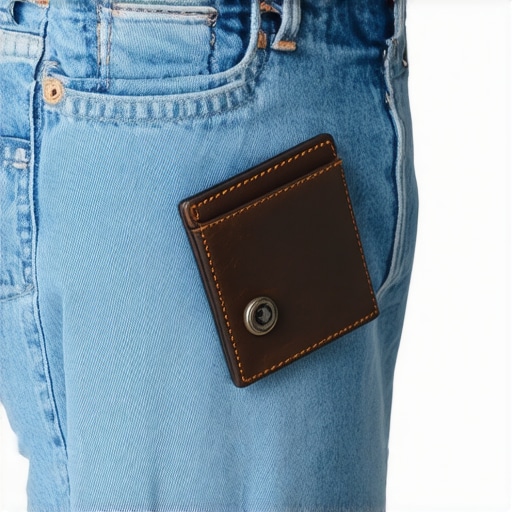
It was a typical Tuesday afternoon when I finally hit a wall—literally. I reached into my back pocket to grab my wallet, and suddenly, a sharp, nagging pain shot through my hip. I blinked in disbelief. How could something as simple as my wallet cause such discomfort? That little change in my posture turned out to be a hidden culprit behind my persistent hip pain. If you’ve ever experienced a dull ache or sharp twinge in your hips after sitting or walking a while, chances are, your daily habits might be quietly sabotaging your mobility.
The Wallet That Wrecked My Hip: A Wake-Up Call
When I first started noticing the pain, I dismissed it as a temporary strain. But as days turned into weeks, the discomfort grew worse. It became clear I was overlooking a subtle but impactful factor—my habit of carrying my wallet in the back pocket. That seemingly innocent act had real consequences on my pelvic alignment. I learned that the position of everyday items, especially in our pockets, can influence our posture in ways we don’t immediately realize.
In fact, research shows that sitting unevenly or carrying weight on one side can lead to imbalances in your pelvis and hips, potentially causing nerve compression and chronic pain. This discovery was a game-changer for me. I started experimenting with how I carried my wallet, shifting it to my front pocket or using a slim wallet in my bag. The relief was almost immediate.
Do you find yourself sitting for long periods, often with one hip slightly higher or feeling discomfort after a day out? If so, you’re not alone. Small daily habits, like wallet placement, can have big impacts on your hip health. In the next sections, I’ll share practical insights and proven strategies to identify and fix these hidden issues—so you can move freely and comfortably without waiting for pain to take over.
Will addressing my wallet be enough to fix my hip pain?
Early in my journey, I made the mistake of thinking that only large movements or intense workouts affected my posture. I overlooked the basic yet powerful influence of minor daily habits. This oversight delayed my recovery and kept me in pain longer than necessary. If you’re skeptical that such a small habit could have such a big effect, you’re not alone. But trust me—sometimes, the smallest adjustments make the biggest difference. For a deeper dive into simple, effective ways to improve your overall mobility, check out [this expert guide](https://chiromasteryz.com/enhance-your-mobility-expert-tips-for-easier-movement-in-2025).
Now, let’s explore how such habits develop and what you can do right now to start alleviating your hip discomfort from the ground up.
Assess Your Wallet Position and Break the Habit
Start by checking where you carry your wallet. Do you consistently slip it into your back pocket on one side? Take a specific moment—remember last Tuesday—suddenly, I realized I had been carrying mine in my right back pocket during lunch. I shifted it to my front pocket or a slim wallet, and immediately felt relief. To make this change stick, consciously remind yourself each time you sit down or stand up. Consider replacing your wallet with a slim cardholder or using a bag for your essentials. This simple step prevents pelvic tilts caused by uneven weight distribution, which can lead to hip pain.
Rearrange Your Sitting Routine for Better Alignment
Compare your body to a building setup—if one side is consistently higher because of how you sit, it causes imbalance. To correct this, sit with your weight evenly distributed. Practice this by placing both feet flat on the ground, hips aligned with your shoulders, and avoid crossing legs or leaning to one side. For added awareness, set a timer: every 30 minutes, reset your posture. A specific technique I used involved sitting against a wall with my back flat, legs bent at 90 degrees, which helped me feel how proper alignment should feel. Doing this regularly can train your muscles to maintain better posture during daily activities.
Incorporate Targeted Movement and Strengthening Exercises
Think of your hips and pelvis as a hinge—flexible but needing the right lubrication. Incorporate exercises like the Glute Bridge or Clamshells to strengthen hip stabilizers, essential for balanced pelvic alignment. I combined these with gentle stretches of the hip flexors, which are often tight from sitting. An effective method is the deep lunge stretch—place one foot forward, keep the back leg extended, and gently push your hips downward. I found that doing these sequences every morning rebalanced my hips and reduced pain over a few weeks. For more detailed routines, explore resources like mobility mastery exercises.
Practice Daily Spinal and Pelvic Reset Techniques
Imagine your spine as a flexible straw—regularly straightening it prevents kinks and misalignments. Daily routines like spinal resets can make a significant difference. For example, the doorframe stretch—stand in a doorway, arms at 90 degrees, and gently press your chest forward—helps open up your thoracic area. I personally did this every morning, focusing on relaxing my shoulders and aligning my pelvis. Incorporate other resets, like pelvic tilts or gentle Cat-Cow stretches, to keep your pelvis and spine in optimal position. These small, consistent moves reinforce muscle memory, preventing habitual misalignments that cause pain. For a comprehensive routine, see daily spinal adjustments.
Monitor Regularly and Seek Feedback
Just like tuning a musical instrument, your posture requires ongoing attention. Use mirrors or record yourself to observe your habitual positions. When I noticed my hip tilting during work, I adjusted immediately and checked my form in a mirror. If persistent discomfort remains, consulting a professional can give personalized insights. Visiting a chiropractor or physical therapist can help identify specific imbalances, such as a habitual pelvic tilt or leg length discrepancy, and guide targeted corrections. Remember, small consistent actions outperform sporadic efforts over time. For trusted support, reach out through our contact page.
By applying these precise, actionable steps—eliminating habits like wallet placement, adjusting sitting posture, incorporating targeted exercises, and maintaining daily spinal resets—you gradually build a resilient, well-aligned body. Your hips and back will thank you as pain diminishes and mobility improves, transforming your everyday comfort and movement efficiency.
Many assume that perfect posture is about holding your shoulders back or standing straight at all times, but in reality, this oversimplification can lead to more harm than good. The truth is, striving for a rigid, textbook-perfect posture often ignores the nuanced needs of your unique body, potentially causing muscles to tighten or weaken unevenly. For instance, forcing your shoulders into a retracted position might alleviate some discomfort initially, but over time, it can lead to shoulder impingement or joint strain if not balanced with proper mobility exercises. Recognizing that posture is dynamic and personalized is essential for sustainable back health. Experts like Dr. Stuart McGill emphasize that your spine’s natural curves must be preserved, rather than flattened or exaggerated, to prevent chronic pain. Beware of gimmicks promising instant fixes—like posture braces—that may provide short-term relief but weaken your intrinsic muscles, making you more dependent on external supports. Instead, focus on integrated movement strategies that promote muscular balance and flexibility, such as targeted mobility routines and mindful postural adjustments.
A common trap is believing that static correction alone can resolve pain, but ongoing imbalance often stems from habitual patterns, like prolonged sitting or uneven load distribution. Regularly assess and adapt your habits—alternating sitting positions, incorporating movement breaks, and practicing spinal resets—to prevent the development of maladaptive postural habits.
Ever wondered why stretching alone isn’t enough? Because posture involves a complex interplay of strength, mobility, and neuromuscular control. Improving your back health calls for a holistic approach that considers daily habits, movement quality, and individual anatomy. For comprehensive guidance, check out expert mobility tips.
Be cautious of the ‘perfect posture’ myth—think of it as a moving target rather than a static goal. Instead, aim for a resilient, adaptable body that can move freely and respond to life’s demands. Remember, small, consistent adjustments often yield better long-term results than drastic overhauls. Want more insights on integrating proper alignment into your routine? Visit this detailed guide.
Have you ever fallen into this trap? Let me know in the comments.Maintaining good posture and enhancing mobility isn’t a one-time effort; it requires reliable tools and consistent practices. Over the years, I’ve refined my approach by incorporating specific equipment and software that truly make a difference. For example, I swear by the use of a high-quality foam roller like the Trigger Point GRID because its textured surface allows for targeted myofascial release, which helps prevent muscle knots that can reinforce poor posture. I personally incorporate the foam roller into my daily routine, focusing on my upper back and hips, to keep tissues flexible and reduce tension buildup.
Another essential tool is a set of resistance bands, particularly if you tend to neglect strengthening exercises. I use light to medium bands to perform shoulder blade squeezes and hip stabilization routines, which are crucial for long-term alignment. The key lies in choosing bands with appropriate tension—too heavy, and you risk strain; too light, and the resistance isn’t effective.
Software-wise, I recommend a posture correction app like Upright. It provides real-time feedback on your sitting and standing habits, helping you develop mindfulness around your alignment. These digital tools can be game-changers for habits that are hard to correct on your own. I use the app throughout my workday to remind me to sit upright and to avoid slumping, which over time reinforces healthier habits.
Looking ahead, I predict that wearable technology integrated with biofeedback will become the norm for maintaining optimal posture effortlessly. Devices like smart posture sensors can vibrate gently when you slouch, instantly alerting you to correct your position, helping embed good habits seamlessly.
**How do I maintain these tools and practices over time?** Consistency is vital. Set a daily schedule to incorporate foam rolling, resistance exercises, and app check-ins. Over weeks, these small routines will become second nature, leading to sustained improvements in back health. Regularly cleaning and inspecting tools like foam rollers and resistance bands ensure safety and longevity. Also, updating your software or trying advanced features in apps like Upright can offer fresh insights to keep you motivated.
Don’t forget, the quality of your tools directly impacts the results. Invest in trusted brands and materials—your back will thank you. For comprehensive insights into optimal mobility tools and routines, check out [this expert guide](https://chiromasteryz.com/enhance-your-mobility-expert-tips-for-easier-movement-in-2025).
Finally, I encourage you to experiment with combining these tools—use resistance bands after foam rolling, or set app reminders during specific times. This layered approach builds resilience and stability over the long haul. Remember, mastering your mobility is a journey, not a quick fix. Regularly reassess your toolkit and routines, and don’t hesitate to seek professional advice when needed. To explore personalized assessment options, reach out on our [contact page](https://chiromasteryz.com/contact-us-2).
**Tip to try today:** Use your foam roller on your hips before bed to release tension and prepare your body for restful sleep, which is vital for overall back health.**
Less obvious truths I uncovered about posture, daily habits, and back health
One of the most surprising realizations was that minor daily habits possess the power to significantly influence our spinal health—something I underestimated for years. For instance, I discovered that consistently sitting with uneven weight distribution or neglecting simple postural resets can gradually cause misalignments, leading to chronic pain. It’s like hidden cracks in a foundation—small at first, but capable of causing major damage if ignored.
Another insight was how treatment alone isn’t enough—embodying good posture requires ongoing conscious effort. Incorporating routine movements, posture checks, and mindful habits transformed my understanding from temporary relief to sustainable change. This understanding emphasizes that back health isn’t a quick fix but a continuous practice rooted in everyday choices.
Finally, I realized there’s no one-size-fits-all solution. Personalized approaches, based on body awareness and consistent small adjustments, are key. What works for someone else may not work for you, and learning to listen to your own body’s signals is essential for lasting mobility and pain-free movement.
Tools and resources that made a difference in my mobility journey
My top recommendation is a quality foam roller like the Trigger Point GRID. It’s invaluable for releasing muscle tension and preventing knots that can exacerbate postural issues. Pair it with resistance bands—like the Light-Tension Therabands—used regularly for hip stabilization exercises, which I found to build solid support around my pelvis.
For real-time feedback, I rely on posture correction apps such as Upright. These tools keep me mindful throughout the day and reinforce good habits, especially during long periods of sitting. Additionally, consulting resources like expert mobility tips provides valuable strategies tailored to maintaining long-term back health and mobility.
Investing in these tools and continuously educating myself has empowered me to take control of my posture, turning small daily practices into powerful, lasting change.
Embrace your journey—your body’s best teacher
Remember, improving posture and mobility isn’t about perfection; it’s about progress. Every mindful adjustment, every stretch, and every moment of awareness builds resilience and restores your body’s natural balance. Start small—try shifting your wallet to a front pocket today or take a brief movement break every hour. Over time, these practices become second nature, paving the way for a healthier, more pain-free life.
Take that step today—your future self will thank you for the effort you invest now in understanding and caring for your back. What’s one small change you’re willing to try right now to improve your posture? Share your plans below and join the movement toward better mobility!