
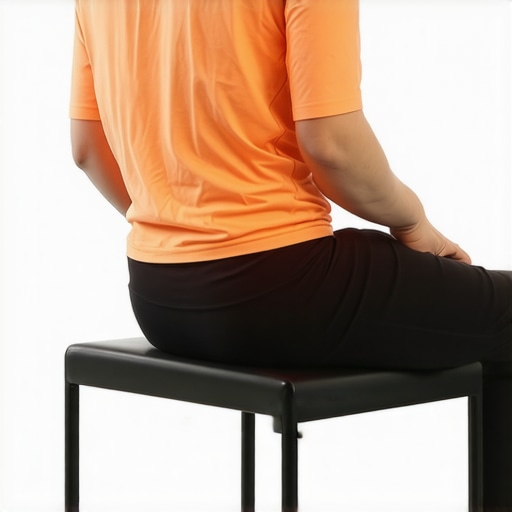
It was one of those mornings where I woke up feeling like my lower back had been hit by a freight train. The sharp, relentless ache made every movement feel like an uphill battle. I reached for the ice pack, thinking this was the tried-and-true remedy. But as I hesitated, a lightbulb flickered in my mind—what if I was doing it all wrong? This moment of discomfort turned into a revelation that completely shifted my approach.
Discovering the Power of Heat Over Ice for Your Back
Over the years, I’ve learned that many people, myself included, often default to ice — believing it numbs the pain and reduces swelling. But I’ve come to realize that when it comes to lower back issues, heat therapy might actually be the smarter choice. The warmth soothes stiff muscles, improves blood flow, and accelerates healing. Choosing heat isn’t just a comfort hack; it’s backed by scientific evidence, showing how it can help relax muscles and decrease pain faster than ice in many cases.
And you know what’s even more interesting? In my early days, I made the mistake of applying ice immediately after the injury, expecting relief. Instead, I found myself worse off—stiff, tense, and frustrated. That was the moment I realized the importance of understanding your body’s signals and selecting the right therapy at the right time. If you want to know how to make smarter choices for your back, keep reading — I’ll guide you through the whys and hows of using heat effectively.
Is Cold Therapy Really All That Bad?
Many are skeptical about skipping ice altogether. They worry that heat might exacerbate swelling or prolong inflammation. But here’s a fact that surprised me: studies have shown that applying heat can actually improve joint mobility and reduce muscle tension more efficiently during later stages of pain or injury, especially if inflammation isn’t actively worsening.1 I initially thought that any warmth would increase swelling, but it’s about timing. Knowing when to switch from ice to heat can make all the difference. Don’t fall into the trap of assuming one size fits all — a mistake I made early on, thinking ice was always the answer, only to learn that understanding your specific situation is key.
So, have you found yourself reaching for the cold pack too often? Or maybe wondering whether heat could help your stubborn lower back pain? If so, you’re not alone. And together, we’ll discover how embracing warmth can be a game-changer in your recovery process.
This article isn’t just about theory; it’s about practical, proven strategies that help you move better and feel stronger. Ready to ditch the misconceptions and learn how to harness heat for your back? Let’s dive into the science and practical tips that can make a real difference.
Applying Heat Correctly: Step-by-Step Guide
Start with a clean, dry towel to wrap your heating pad or hot water bottle. Set the device to a comfortable, medium temperature—not too hot to avoid burns. Place the wrapped heat source directly on your lower back, targeting the area where you feel the most tension. Remain in a relaxed position and allow the warmth to penetrate your muscles for 15-20 minutes. Remember, never leave heat unattended to prevent accidents. In my experience, this simple approach can significantly ease muscle stiffness, much like how I used a heat pack last week after a long day of sitting at my desk.
Timing Is Everything: When to Use Heat vs. Ice
Appropriate timing can make all the difference. Use heat during the sub-acute phase when your muscles feel tense but swelling has subsided. For instance, after the initial injury, I made the mistake of applying ice first, which worsened the stiffness. Instead, wait until the swelling diminishes—typically after 48 hours—and then switch to heat to promote blood flow and healing. It’s like nurturing your muscles back to health instead of just numbing the pain temporarily. A good rule of thumb is to observe how your body responds and adapt your approach accordingly.
Enhance Your Mobility with Targeted Exercises
In addition to heat therapy, integrating simple mobility exercises accelerates recovery. For example, my go-to is the pelvic tilt motion, which is a natural way to reset lumbar alignment. Imagine trying to flatten your lower back against the floor—it’s a gentle movement that sends a signal to your muscles to relax and realign. Doing this regularly, especially after heat application, can unlock tight areas and improve your posture. I personally find that this combination helps avoid persistent stiffness, getting me back to my routine faster. For a comprehensive set, check out these mobility exercises.Many people believe that stretching is the ultimate cure-all for back pain and stiffness, but in reality, there’s a common trap that even experienced practitioners often fall into. The misconception that all mobility exercises are universally beneficial leads to ineffective or even harmful routines. For example, blindly stretching without understanding the underlying cause can exacerbate issues, especially if there’s an imbalance or joint restriction that requires specific adjustments rather than generic mobility work.
Another nuanced mistake involves neglecting the role of the nervous system in pain and mobility. Some practitioners overlook how spinal misalignments or subtle postural habits can continuously send faulty signals, creating a cycle of tension and discomfort. Addressing these issues requires a combination of targeted adjustments and movement strategies, like those detailed in top mobility strategies.
Why do so many people damage their progress by ignoring the body’s feedback loops?
The answer lies in the overemphasis on superficial fixes. For instance, many expedite their routines with quick stretches or foam rolling without considering if their joints need realignment first. This oversight may lead to an accumulation of imbalances that hinder true mobility gains. According to a study by the National Institute of Neurological Disorders and Stroke, proper joint function and nervous system health are deeply interconnected, and neglecting either can impede recovery.
A significant error I’ve observed is focusing solely on flexibility without strengthening the supporting muscles. This neglect can make tissues more vulnerable, as immobile or weak muscles can’t sustain proper alignment. Incorporating strength training alongside mobility work is essential, as emphasized in expert mobility tips. Furthermore, many overlook the importance of daily adjustments—simple habits like proper posture and movement patterns—that prevent issues from recurring. Check out daily adjustments to reinforce healthy habits.
Have you ever fallen into this trap? Let me know in the comments. Remember, understanding the complex dance between mobility, posture, and neural signals is vital for lasting relief and movement excellence.Maintaining a healthy back requires more than just occasional stretches or visits to a chiropractor; it involves the right tools and routines that support long-term wellness. One device I swear by is an adjustable foam roller, which I now use daily after my mobility exercises to release muscle tension. Unlike standard foam rollers, my adjustable version allows me to customize pressure and target specific areas, making my recovery sessions much more effective and pleasurable.
Another essential tool is a high-quality lumbar support pillow for my chair, which helps preserve optimal spinal alignment during long workdays. I’ve found that switching between different ergonomic cushions, like memory foam or gel-based options, prevents stiffness and maintains good posture. For digital support, I rely on mobility tracking apps that prompt me to move and stretch at regular intervals—these remind me to avoid the all-too-common trap of prolonged sitting. A prime example is Excel Wellness Tracker, which I’ve personalized to include mobility check-ins and posture tips based on my daily routine.
Looking ahead, I predict that wearable tech combining biofeedback and real-time adjustments will become standard for back health management. Imagine a smart belt that detects muscle tension and automatically guides you through appropriate stretches or adjustments—this future is rapidly approaching, as research by National Institutes of Health suggests ongoing development in biofeedback wearables.
How do I keep my back functioning smoothly over the years?
Consistency is key. Regularly practicing targeted adjustments and integrating tools like an ergonomic chair brace or a mobility app will embed healthy habits into your daily life. For instance, incorporating advanced mobility strategies can significantly extend the benefits of your efforts. Additionally, investing time in dynamic stretches with the aid of a quality foam roller can help prevent chronic stiffness.
Remember, progress isn’t just about quick fixes but establishing sustainable routines. I encourage you to try using an adjustable foam roller after your morning mobility session—this small step can make a big difference in your back’s resilience and comfort over time. Prioritize equipment that adapts with your needs and stay committed to regular movement and adjustments, and your back will thank you for years to come.
The Hardest Lesson I Learned About Mobility, Back Pain, Adjustments, Posture
I used to believe that quick stretches and icy packs were the ultimate keys to relief, but I soon discovered that pushing through pain without understanding my body’s signals only prolonged my struggles. Embracing patience and listening closely helped me see that real progress comes from nuanced, personalized care—like timing heat therapy right or integrating targeted moves at the right moment.
Tools That Changed My Approach to a Stronger Back
In my journey, certain tools like an adjustable foam roller and ergonomic lumbar supports proved invaluable. They reminded me that investing in quality equipment aligned with your body’s unique needs accelerates recovery and prevents setbacks. I also rely heavily on reputable resources like mobility mastery guides to stay informed and refine my habits.
What Keeps Me Going When Pain Persists
Consistency and curiosity are my best allies. Even on tough days, I remind myself that every small adjustment, every mindful movement, contributes to long-term resilience. Visualizing a future where my back stays healthy encourages me to incorporate daily habits, from gentle stretches to mindful sitting, that reinforce my progress. If you’re ready to transform your understanding of back care, remember that persistent, informed action beats quick fixes every time.