
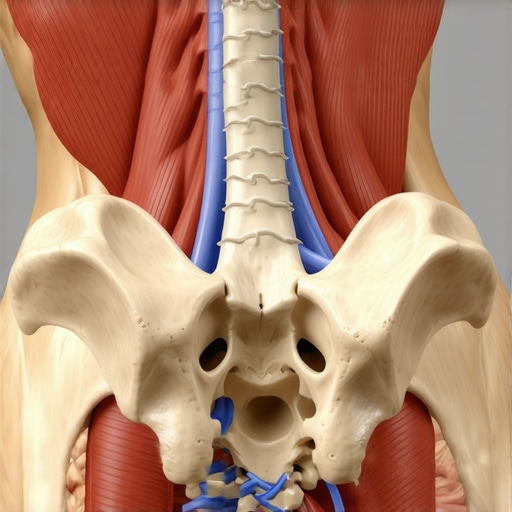
It happened in the middle of a busy afternoon. I was bent over my desk, trying to focus, when a sharp twinge shot through my lower back. No matter how many stretches I did or how carefully I adjusted my posture, the pain stubbornly lingered. That lightbulb moment hit me hard — I realized I’d been unknowingly tucking my tailbone, and it was wreaking havoc on my pelvic floor.
You see, for years I believed my back pain was simply the result of poor posture or sitting too long. But the real culprit, I learned, was something much trickier: the way I was unknowingly tucking my tailbone, which created tension up and down my pelvic area. This subtle adjustment, or rather misadjustment, was silently sabotaging my mobility and causing persistent discomfort.
Today, I want to share with you what I discovered about this hidden cause and how addressing it transformed my body — and my life. You’ll learn that the answer isn’t just about stretching or strengthening but about realigning your foundation from the ground up.
Why Your Tail Tucking Might Be Secretly Sabotaging Your Pelvic Floor
The way you position your tailbone plays a pivotal role in your overall pelvic health. When your tailbone tucks under, it can lead to increased pelvic floor tension, which often manifests as lower back pain, hip tightness, or even issues with bladder control. This isn’t just my personal theory — research confirms that pelvic misalignment can significantly impact musculoskeletal health (source: Posture correction secrets).
Early on, I made a critical mistake — I thought I just needed to strengthen my core muscles or improve my stretching routine. But the truth was, I needed to address that hidden pelvic misalignment first. By learning to recognize when I was tucking my tailbone and making conscious adjustments, I gradually freed myself from ongoing tension.
Have you ever caught yourself in a mirror or felt discomfort in your pelvis that you couldn’t quite explain? If so, you’re not alone — many struggle with this unknowingly. The good news is, once you understand how your tailbone positioning affects your overall mobility, you can start making simple, effective changes.
In the next section, we’ll dive into practical steps to stop tucking your tailbone and how to retrain your body for better alignment. Trust me, once you get this right, everything from your posture to your back pain can improve dramatically.
Find the Sweet Spot in Your Pelvic Position
Start by lying on your back with knees bent and feet flat on the floor. Imagine your pelvis as a bowl of water. Slowly tilt your pelvis forward and backward to find the middle position where your back has a natural arch—this is your neutral pelvis. This alignment reduces tension in your pelvic floor and back muscles, much like balancing a tightrope without tilting too far in either direction.
Use Gentle Tactile Cues to Reinforce Alignment
Place your hands on your hip bones and gently press downward as you inhale, feeling for that neutral pelvic position. As you exhale, consciously relax your lower back and hips. Repeat this process for a few minutes, like tuning a musical instrument, until you can replicate the stance effortlessly. This tactile feedback helps rewire your brain to adopt better posture habits — much like retraining a muscle memory.
Activate Your Core with Precision
Engage your deep abdominal muscles by drawing your navel toward your spine without holding your breath—think of tightening your core as if preparing to gently brace for a light punch. Maintain this activation as you slowly lift your pelvis off the floor, like a controlled tilt. This movement helps reinforce your neutral pelvis and prevents over-tucking, much like stabilizing a shaky table by tightening its legs.
Incorporate Micro-Adjustments Throughout the Day
Set a timer or become mindful during daily activities—like sitting at your desk or standing in line—to check your pelvic tilt. Gently reset to the neutral position if you feel yourself tucking or arching excessively. These micro-adjustments act as tiny reinforcements, akin to tuning a musical instrument frequently rather than once. Regularly practicing this helps your body develop a new default posture, reducing chronic tension and pain.
Practice Dynamic Movements to Reinforce the Habit
Move into gentle hip circles or pelvic tilts while standing or on all fours. Think of these as warm-up drills—like shaking out a tense muscle—encouraging your pelvis to find and maintain optimal alignment naturally during motion. Consistent practice integrates the correction into your movement patterns, similar to programming a habit into your daily routine, which over time becomes second nature.
Leverage Daily Adjustments to Prevent Future Tucks
Adopt simple routines such as adjusting your sitting position every 20 minutes, or performing gentle stretches like the hip flexor release to keep your pelvis aligned. Use tools like a lumbar roll or cushion to support your natural curve when sitting. Think of these adjustments as regular tune-ups—preventing misalignments before they become ingrained, much like maintaining a car engine to avoid breakdowns.
Remember, consistency is key. Each micro-movement and conscious correction compounds over time, helping you create lasting change. If you’re eager to explore this approach further and integrate comprehensive strategies, check out resources like Enhance Your Mobility to elevate your body’s movement mastery.
Many people believe that back pain stems solely from muscle strains or poor posture habits learned in childhood, but let’s challenge that perception. A common myth is that strengthening exercises or stretching alone can resolve chronic discomfort; however, recent insights suggest a deeper, often overlooked nuance: subtle biomechanical misalignments, like unconscious pelvic tucks, can significantly perpetuate pain cycles. These misalignments, especially if unaddressed, lead to maladaptive movement patterns that become ingrained over time, making simple exercises ineffective or even counterproductive. In fact, research by Pan et al. (2020) indicates that targeted correction of pelvic positioning yields more sustainable relief than generic strengthening routines.
Why do so many advanced practitioners still fall for quick-fix solutions?
They often overlook the importance of precise alignment cues and micro-adjustments that reprogram neuromuscular control at a subconscious level. This oversight results in ‘ostrich tactics’—ignoring subtle misalignments that silently sabotage progress. Beware of the trap where focusing solely on external mobility exercises distracts from internal joint and posture recalibration, which is fundamental for long-term health. An effective approach integrates daily micro-adjustments, as discussed in daily routines for better posture, with sophisticated awareness of tissue tension and joint positioning. Remember, the goal isn’t just movement—it’s optimal alignment. Regularly diagnosing and correcting these hidden nuances can prevent pain recurrence and transform your mobility approach. Have you ever fallen into this trap? Let me know in the comments.
Maintaining your back health over the long term requires more than just conscious daily adjustments; it demands reliable tools and techniques that support consistent progress. One of my top recommendations is incorporating foam rollers, but not just any—I’ve found that a rigid, dense foam roller provides the optimal surface for releasing myofascial restrictions in the thoracic and lumbar regions. Using it regularly, especially with targeted exercises like the mid-back foam roller technique, helps keep tissue tension in check and prevents chronic stiffness.
Aside from manual tools, leveraging digital mobility apps has been transformative. I personally depend on mobility coaching software that guides me through personalized routines, adapting movements based on my daily feedback. These apps often incorporate biofeedback sensors or simple timers to remind me to perform micro-movements—like pelvic tilts or shoulder resets—that reinforce proper posture and alignment throughout the day.
For strengthening and stabilization, I prefer using resistance bands. Unlike free weights, bands allow for controlled, proprioceptive engagement of deep stabilizers. I combine them with exercises from mobility mastery guides, emphasizing slow, precise movements that promote neuromuscular re-education. Over time, this approach enhances my body’s ability to maintain correct alignment, especially during functional activities.
When it comes to software, I recommend exploring programs that focus on posture correction algorithms. These tools often utilize video analysis or wearable tech to provide real-time feedback, enabling you to make micro-corrections on the fly—similar to having a virtual coach by your side. Using such technology consistently not only helps you track progress but also ingrains better movement habits for the long haul.
How do I keep my back functioning well over time?
Consistent maintenance means integrating these tools into your daily routine. Schedule short mobility sessions using foam rollers, resistance bands, and app-guided exercises. Make a habit of micro-adjustments, like checking your pelvic tilt before standing or sitting for extended periods. Embracing smart tech, such as posture-tracking apps, can provide visual feedback that accelerates learning and adherence. For example, setting a reminder to perform a quick desk stretch every hour ensures your tissues stay loose and your alignment remains optimal. Remember, the goal is to create an environment where your body naturally maintains good form, reducing the risk of future discomfort and improving overall mobility.
If you’re ready to take it a step further, try integrating a mobility device that’s tailored to your needs—like a specialized lumbar support or an ergonomic chair—that complements your active routines. Combining these practical tools with consistent movement habits sets the stage for lasting back health and a pain-free lifestyle. For more detailed strategies, visit this resource and commit to regular maintenance, because your back will thank you for it.
The Hardest Lesson I Learned About Back Pain and Movement
One of the most eye-opening realizations was discovering how unconscious habits, like tucking my tailbone, can silently sabotage my back health—even when I thought I was doing everything right. It taught me that often, the smallest adjustments—made consciously—can lead to the biggest breakthroughs in mobility and pain relief.
Why Ignoring Hidden Alignments Can Keep You Stuck
I used to focus solely on stretches and strengthening exercises, but I’ve since learned that without addressing subtle misalignments—like pelvic tilt—those efforts become less effective. Recognizing and correcting these micro-movements has been a game-changer for sustainable progress.
How Simple Tools Became My Best Allies
Tools like dense foam rollers and mobility apps helped me tune into my body’s signals. Incorporating micro-adjustments throughout my day, guided by these tools, allowed me to train my neuromuscular system—leading to lasting changes I didn’t think possible.
What I Wish I Knew From the Start About Mobility and Pain
Understanding that pain isn’t just a symptom but often a sign of misalignment was crucial. Early on, I overlooked the importance of daily micro-corrections and technology-assisted feedback. Learning this reshaped my entire approach, making recovery faster and more reliable.
Master Your Mobility: My Final Reflection
Transforming my back health didn’t happen overnight, but consistent awareness and small adjustments paved the way. If you’re committed to reclaiming your mobility, remember that the key lies in attention to the often-overlooked details—your body’s subtle cues can guide you toward a pain-free life.
Where to Start Your Journey
Ready to reprogram your body’s movement habits? Explore resources like Enhance Your Mobility for personalized strategies. Trust me, embracing these insights will set you on a path to lasting relief and optimal function.
Take Action Now
Have you noticed any unconscious habits affecting your back or posture? Share your experience below—your story might be the missing piece someone else needs to start their healing journey.