
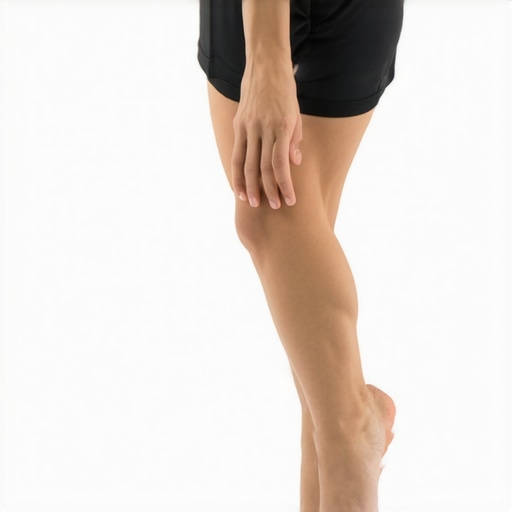
One morning, I woke up feeling like I had aged ten years overnight. My knees, usually pretty cooperative during my early routines, were stiff and creaky—so much so that even getting out of bed felt like navigating a room full of uneven tiles. I knew I wasn’t alone in this struggle; many of us face mornings where movement feels more like a chore than a fresh start.
Discovering the missing link in my mobility routine
It wasn’t until I started paying close attention to how my ankles moved that I realized what I’d been overlooking. Turns out, those tiny joints play a massive role in how smoothly our knees function, especially after a night of rest. I learned that by focusing on improving ankle mobility through specific movements, I could alleviate the morning stiffness that used to slow me down. And the best part? It really works. No more groaning my way out of bed. Just a simple, targeted ankle move made all the difference.
If you’re tired of waking up with stiff knees that make your mornings miserable, you’re in the right place. Today, we’re going to explore a straightforward ankle move that has transformed my routine—and could do the same for you. Get ready to take control of your mobility and reclaim your mornings.
Is this tiny move really worth the hype?
I have to admit, I was skeptical at first. I’d tried countless stretches and exercises before with little lasting relief. My mistake early on was neglecting the smaller joints that support my knees and hips. Focusing solely on the larger muscle groups was like trying to fix a leaky faucet by replacing the pipe—it ignores the root of the problem. Once I corrected my approach and started paying attention to my ankles, my mornings changed dramatically. For more expert-approved strategies, you might want to check out top mobility strategies for active living.
Now that I know the importance of ankle health in overall mobility, I’m excited to share this simple move with you. It’s easy to do, doesn’t require any fancy equipment, and addresses the root cause of morning knee stiffness. Keep reading—your better mornings are ahead.
Start with the Basic Ankle Roll
Stand near a sturdy wall or chair for support. Lift one foot and rotate your ankle clockwise, making slow, controlled circles. Perform 10-15 rotations, then switch to counter-clockwise. This move is like oiling the hinges of a door—reducing stiffness and improving movement fluidity. I remember my first attempt; I felt clumsy, like trying to turn a rusty valve, but persistence paid off, and I noticed smoother waking movements within days.
Implement the Toe-Wlex Technique
Sit on a chair and place your foot flat on the ground. Flex your toes upward, trying to lift them without moving your heel, hold for 3 seconds, then relax. Repeat 10 times. This action strengthens the small muscles supporting ankle stability, much like tightening the nuts on a bolt to prevent wobbling. Initially, my toes wouldn’t lift properly, causing frustration, but gradually, I gained better control, which translated into less morning stiffness.
Enhance With Calf Stretching
Find a step or curb. Stand with the balls of your feet on the edge, heels hanging off. Gently drop your heels lower than the step level, feeling a stretch in your calves. Hold for 20-30 seconds, then raise heels back to neutral. Think of your calf as a rubber band; stretching it makes your ankle more elastic. I performed this stretch after my ankle rotations; the combined effect was gymnastic-level agility in the mornings.
Sequence for Success
Combine these moves into a fluid routine—start with the ankle rolls, transition into toe-flexes, then calf stretches. Do this every morning before getting out of bed or stepping onto the floor. Maintaining this routine regularly is akin to tuning a musical instrument—keeps everything playing smoothly. I once skipped a day, and the stiffness returned; consistent practice cemented my progress.
Adjust as Needed
If a particular movement causes pain or discomfort, ease up or modify. For example, reduce the number of repetitions or limit range of motion. Remember, this isn’t about pushing into pain but gently improving. Think of your joints as a garden; they thrive with gentle watering, not forceful flooding. Over time, these adjustments become second nature, and your mornings turn from stiff to seamless.
Want to explore more expert tips on enhancing flexibility and mobility? Incorporating these simple, targeted moves can significantly change your daily experience, making movement feel effortless and pain-free.
Many individuals believe that simple stretches or quick fixes are enough to resolve persistent back pain or posture issues. However, as an expert in spinal health and mobility, I can tell you that overlooking certain nuances often leads to ongoing problems or even worsens existing conditions. One common myth is that all adjustments or postural corrections are universally applicable. In reality, the body’s response to adjustments varies greatly depending on individual anatomy, movement history, and even subconscious habits.
Why do some adjustments backfire, and what is the trap to avoid?
A frequent mistake is blindly pursuing corrections without addressing underlying movement patterns. For example, someone might focus solely on lumbar adjustments to relieve back pain but neglect how a tight hip flexor or weakened core perpetuates misalignment. This oversight can result in temporary relief but ultimately leads to recurrence. The real nuance lies in understanding that adjustments should be integrated into a comprehensive plan that emphasizes controlled mobility, strength, and neuromuscular re-education.
Another misconception is that posture is static. Many think a perfectly aligned spine is the goal, but postural health is more about dynamic control. Continuous micro-movements, daily habits, even emotional stress influence our posture. Neglecting this dynamic nature can cause us to overcorrect or develop compensatory patterns, which might manifest as new aches or increased fatigue.
Furthermore, people often underestimate the complexity of mobility. They might focus on stretching one muscle group, like hamstrings, expecting immediate results, but overlook the interconnectedness of the myofascial chain. For instance, immobility in the thoracic spine can cause the lower back or shoulder blades to compensate, leading to pain elsewhere. This interconnectedness underscores why a holistic, nuance-aware approach yields better, longer-lasting results.
Research supports these advanced insights. A study published in The Journal of Orthopaedic & Sports Physical Therapy emphasizes the importance of assessing movement patterns and neuromuscular control rather than solely relying on adjustments or stretches, which only temporarily alleviate symptoms (source). This perspective aligns with the idea that expert-level mobility training involves identifying and correcting nuanced movement habits to prevent future pain and dysfunction.
How can you incorporate these nuances into your routine?
First, focus on controlled mobility and let pain-free movement guide your progress. Second, get a comprehensive assessment from a professional who understands the interplay between joints, muscles, and neurology. Third, avoid the temptation to treat symptoms in isolation—target the root causes and habitual patterns. Enhancing your flexibility and mobility requires a nuanced approach that respects your body’s complexity.
Remember, every body is unique. What works for a friend or a YouTube tutorial may not work for you. Paying attention to these advanced nuances can make all the difference in achieving lasting improvements. Have you ever fallen into this trap? Let me know in the comments and share your experiences! Your journey toward effective, sustainable mobility begins with understanding and embracing these subtle but crucial differences.
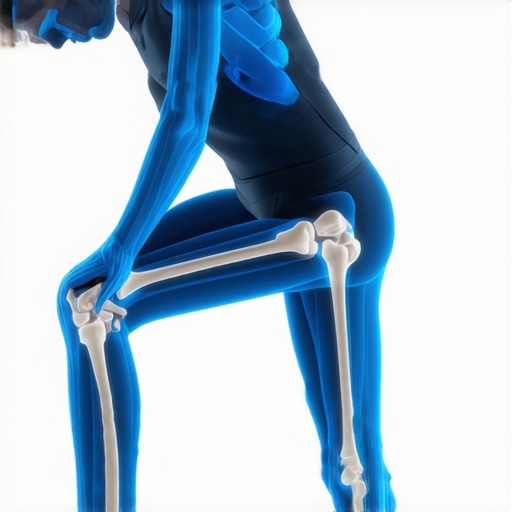
To keep your progress alive and ensure your mobility routines continue to deliver results, investing in the right tools and adopting consistent maintenance practices are crucial. Personally, I rely on specific equipment that seamlessly integrates into my daily routine, making routine checks and adjustments both simple and effective.
Choosing the Right Equipment for Long-Term Mobility
One of my favorite tools is a high-quality massage ball, like a soft rubber or lacrosse ball. I use it regularly to release deep-tissue tension in my glutes and lower back, especially after long periods of sitting or intense activity. Unlike foam rollers, which can sometimes cause irritation if used improperly, a massage ball offers pinpoint precision, allowing me to target specific tight spots with minimal discomfort. Incorporating this into my daily routine has prevented the buildup of adhesions and maintained my muscle elasticity.
Another essential item is a set of resistance bands. They’re versatile, portable, and perfect for strengthening supporting muscles around the joints. I utilize light-to-medium bands for gentle activation exercises in the mornings or as part of my warm-up. This proactive approach helps keep my joints stable and minimizes the risk of injury over time.
Leveraging Technology for Consistent Progress
Beyond physical tools, I integrate simple software to track my mobility improvements. Apps that monitor flexibility, range of motion, or even remind me to perform specific stretches reinforce my routine’s consistency. For instance, setting daily notifications to perform a 5-minute ankle mobility check ensures I don’t neglect this vital aspect of my movement pattern.
Looking ahead, I believe the trend toward personalized mobility tech will expand, integrating AI-driven feedback for real-time adjustments. Devices like smart sensors connected to wearables could provide instant insights into joint angles or movement quality, guiding more precise and effective routines.
How do I maintain stretches and adjustments over time?
Consistency is my mantra. I schedule daily check-ins with my mobility routine, often incorporating quick posture assessments and tweaks as needed. My secret weapon is a dedicated stretching strap, which I use to deepen my stretches safely and maintain proper form. It’s a simple, cost-effective tool that helps prevent regressions and keeps me aligned. To learn more about integrating daily adjustments, visit this guide on daily spinal adjustments.
For ongoing maintenance, I perform regular self-assessments, such as the mobility self-checks, to identify tight spots before they become problematic. Additionally, I incorporate mobility-focused sessions into my weekly schedule, ensuring that my tissues stay supple and my joints retain their full range.
Remember, maintaining your mobility isn’t a one-time effort but a continuous process. Adopting these tools and routines creates a foundation for lasting results and a higher quality of movement. As the field advances, expect smarter, more integrated solutions to emerge—making it easier than ever to stay active and pain-free in the long run. Starting today, try using a massage ball after your sessions to help release residual tension; it’s a small step that can make a significant difference.
” alt=”A person using a massage ball to release lower back tension” title=”Using a massage ball for mobility maintenance” />
Hidden Truths That Changed How I View Pain and Adjustment
- One revelation was realizing that most of my persistent aches stemmed from neglecting small joints and nuanced movement patterns—like overlooking the importance of ankle mobility. Focusing on this overlooked area unlocked relief I hadn’t found through traditional stretches.
- I learned that pushing through discomfort during mobility exercises can do more harm than good. Gentle, mindful movements adapted to my body’s signals fostered sustainable progress, teaching me patience and listening skills I hadn’t cultivated before.
- Understanding the interconnectedness of my body’s chains proved crucial. Weakness or tightness in seemingly unrelated areas, like the calves impacting knee comfort, reminded me to approach movement with a holistic mindset, rather than isolated fixes.
- Most surprisingly, integrating expert strategies—like controlled mobility and neuromuscular re-education—made me realize how much more effective personalized, nuanced routines are compared to generic advice.
Tools and Resources That Became My Game Changers
- High-Quality Massage Ball: I trust a soft rubber or lacrosse ball for pinpointing tension in my muscles. It’s simple but incredibly effective for releasing deep tissue adhesions and maintaining muscle elasticity, especially after sitting for long periods.
- Resistance Bands: These portable tools support gentle strengthening exercises that stabilize joints and improve mobility. I use them daily to reinforce my routine and prevent injuries.
- Mobility Tracking Apps: Using software to monitor flexibility and range of motion keeps me accountable and highlights progress over time. They serve as personal trainers in my pocket!
- Educational Content and Guides: I regularly revisit resources like top mobility strategies for active living to stay informed on best practices and adapt my routines accordingly.
Take the First Step Toward a More Mobile Life
Every journey toward better mobility and pain relief is unique, but what truly matters is starting with awareness and patience. Incorporate mindful movements, leverage trusted tools, and listen to your body’s cues. Remember, even small changes can lead to significant improvements—so why not today? If you’ve ever faced similar challenges or found a particular move helpful, I’d love to hear your story. Share your experiences below and join a community committed to moving better, feeling stronger, and living pain-free.