
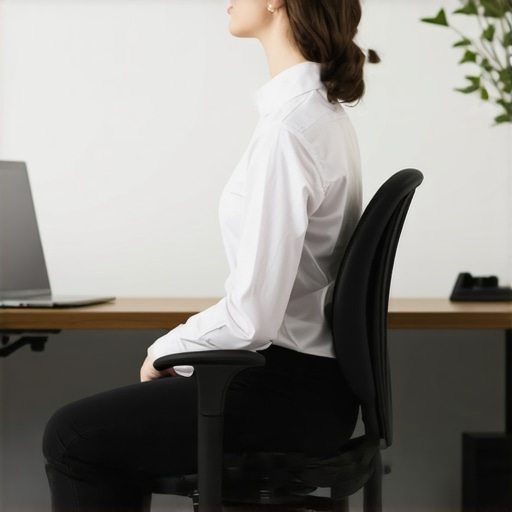
I remember the exact moment I realized my desk setup was quietly sabotaging my back. It was after a long day of frantic emails and back-to-back meetings when I stood up and felt that familiar, dull ache settle into my lower spine. For years, I dismissed it as just part of aging or too much sitting, but one lightbulb moment changed everything: my pelvis wasn’t neutral, and my posture was miserably out of alignment. If you’ve ever felt that tightness or numbness creeping in after hours at your desk, you’re not alone, and there’s a simple yet powerful trick I want to share.
Why Keeping Your Pelvis Neutral Is Key to Comfort and Productivity
Maintaining a neutral pelvis isn’t just about good posture; it directly influences the entire musculoskeletal system. When your pelvis tilts forward or back excessively, it throws your spine out of alignment, leading to discomfort, reduced mobility, and even chronic pain. Early on, I made the mistake of ignoring these subtle shifts, thinking a quick stretch or adjusting my chair was enough. Turns out, I was missing the bigger picture.
Research shows that prolonged poor posture can cause lasting damage, including herniated discs and muscle imbalances. To truly protect your back, you need to focus on how your pelvis aligns during your workday. And the best part? Small, conscious adjustments can make a huge difference.
Have you ever experienced that sudden sharp pain or persistent soreness after sitting for extended periods? If so, you’re likely neglecting how your pelvis and hips are positioning themselves. This is exactly what prompted me to dig deeper, and I discovered that simple changes—like mastering the chair hack I’m about to reveal—can transform your sitting experience.
If this sounds familiar, don’t worry. I’ve been there, and I know how frustrating it can be to feel resigned to discomfort. That’s why I’ve compiled practical tips and tricks to help you keep your pelvis neutral and stay pain-free during your work hours. Before we get into the how-to, let’s address some common concerns about this approach.
How to Find and Maintain Your Pelvic Balance
Start with a Grounded Posture
First, sit on your chair with your feet flat on the floor, about hip-width apart. Place your hands on your thighs and gently rock forward and back to feel your pelvis’s natural range of motion. Imagine you’re a puppet with a string from the crown of your head to your pelvis, aligning your spine naturally. During this movement, identify the position where your pelvis feels most balanced—neither tilted forward nor backward—and settle into that stance. I recall a morning when I practiced this in waves, shifting my pelvis until I noticed my lower back no longer felt strained after hours at my desk.
Adjust Your Sitting Habits
Once you’ve found that neutral position, ensure your hips are level and your pelvis is aligned. Use a lumbar support or a small cushion if needed, to prevent your pelvis from tilting excessively backward or forward. Sit back into the chair, maintaining your pelvis in this balanced position, and keep your shoulders relaxed. Remember, small adjustments like these are as effective as major overhauls. When I frequently adjusted my seat height, I realized how much easier it was to keep this posture consistently, especially during long coding sessions.
Engage Your Core for Stability
Active core muscles are your allies in holding this neutral pelvis. Gently draw in your lower abdominal muscles as if bracing for a light punch—this helps stabilize your pelvis without overexerting. Think of your core as the foundation of a building; if it’s strong and steady, the entire structure remains upright and comfortable. I started doing micro-exercises during work, like a quick abdominal squeeze, which reinforced my posture over the day.
Implement Regular Micro-Movements
Break the habit of static sitting with deliberate micro-movements. Every 20-30 minutes, shift your pelvis slightly side to side or tilt it forward and back—just like tuning a musical instrument. This prevents stiffening and encourages ongoing alignment. For example, I set a timer to remind myself to perform these small adjustments, leading to decreased stiffness and a better overall back feeling. Such small, repeated habits can be mastered using pointer exercises from mobility improvement routines.
Use the Right Equipment to Support Alignment
Adjust Your Chair and Desk Height
Your chair height should allow your knees to be at or slightly below hip level, helping keep your pelvis neutral. The desk height should permit your elbows to rest comfortably at a 90-degree angle. Avoid slouching or hunching forward; instead, maintain an open chest and relaxed shoulders. When I repositioned my chair and adjusted my monitor height, I found it easier to maintain proper pelvis alignment without conscious effort. For detailed tips, see posture correction tips.
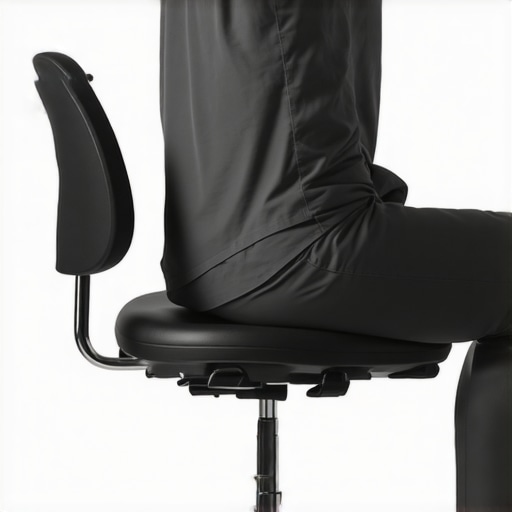
Illustration of proper seated pelvis alignment on an ergonomic chair.
Many assume that back pain stems solely from poor posture or muscular weakness, but in my experience, there’s a deeper complexity often overlooked. For instance, the common myth that stretching always alleviates pain can be misleading; sometimes, overstretching tight muscles further destabilizes your spinal balance. Additionally, a frequent mistake is relying solely on surface adjustments, like changing chair height, without addressing the underlying neuromuscular patterns that sustain poor alignment. This can create a cycle where temporary relief masks the true issues.
A nuanced aspect many miss is the role of subtle joint restrictions or proprioceptive deficits that impair your body’s ability to maintain proper posture automatically. For example, slight misalignments in the pelvis or vertebral segments can persist unrecognized, but they significantly influence mobility and pain over time. Recognizing these intricacies is essential for long-term relief.
Why does focusing only on muscle flexibility sometimes backfire?
While improving flexibility is beneficial, neglecting joint stability and neuromuscular control can exacerbate imbalance issues. For example, overly aggressive stretching without strengthening the supporting muscles can lead to joint hypermobility, increasing the risk of injury. It’s crucial to balance mobility exercises with stability training—think of it as tuning a musical instrument rather than just loosening strings. For advanced strategies, explore top mobility routines.
Beware of the trap that ignoring proprioception can create
Proprioception—the body’s ability to sense its position—plays a vital role in maintaining proper posture subconsciously. When proprioceptive inputs are compromised, due to joint restrictions or nerve impingements, your body compensates in ways that often worsen pain and mobility issues. This is why integrating movement mastery techniques can be transformative for restoring natural alignment.
Advanced mistake: Misinterpreting pain signals
Many believe that all back pain indicates injury or damage, leading to avoidance or excessive rest. However, pain can also be a sign of maladaptive neuromuscular responses or compensatory patterns, which can be corrected through targeted adjustments and exercises. Recognizing these nuances allows for more effective, long-lasting solutions. As Dr. Stuart McGill emphasizes, understanding the difference between pain and injury is fundamental for effective intervention.
By appreciating these hidden nuances—such as joint proprioception, neuromuscular control, and the importance of balanced stability—you can move beyond temporary fixes. This deeper awareness is the difference between short-term relief and sustainable back health. Want to unlock advanced strategies? Check out simple adjustments for better posture.
Have you ever fallen into this trap? Let me know in the comments, and share your experiences or questions about refining your back care routine.Maintaining a healthy back and good posture over time requires more than a one-time fix; it demands reliable tools and consistent routines. One essential investment I recommend is a high-quality ergonomic chair that promotes pelvic neutrality. I personally use the Herman Miller Aeron, appreciated for its adjustable lumbar support and seat depth, which allows me to maintain a neutral pelvis especially during those lengthy work sessions. Adjustability is key—it’s crucial to fine-tune your chair to support your unique posture needs, reducing strain and preventing slouching. Additionally, incorporating a sit-stand desk, like the VariDesk, has transformed my daily routine, giving me the flexibility to alternate positions and avoid prolonged static postures, which I discuss in detail on my site.
Another tool I swear by is a foam roller with a diameter of about 6 inches. I gently use it on my hip flexors and lower back each morning, which helps release tight muscles and keeps my pelvis aligned. The quality and firmness of the foam roller matter; a dense foam roller can target deep tissue without losing shape over time. For tracking posture and movement, I utilize the Upright GO posture trainer, which vibrates gently when I slouch, serving as a personal coach reminding me to stay upright. Since implementing this device, my awareness of posture habits has skyrocketed, resulting in improved long-term alignment.
In terms of software, I use mobility apps such as the “Mobility Mastery” programs, which offer guided exercises tailored for back health. These digital tools help me stay consistent with my mobility routines and track progress over weeks. The key benefit of all these tools is consistency—by integrating them into your daily routine, you create a system that supports your spine’s health and prevents future issues.
Prediction-wise, the trend is moving towards smarter, wearable technology that monitors spinal health in real-time, providing personalized feedback and adjustments. Advances in biofeedback sensors and AI are paving the way for devices that actively improve posture during daily activities without conscious effort.
How do I keep these tools effective over the long haul? Regular maintenance and reevaluation are vital. For instance, I replace my foam roller every year to ensure it remains firm and effective. I also periodically reassess my chair and desk setup, especially if I notice new discomforts creeping in or after significant lifestyle changes. Also, staying updated with the latest research, such as Dr. Stuart McGill’s findings on spinal biomechanics, can guide you in refining your tool choices and routines.
If you haven’t already, I highly suggest trying a daily micro-mobility routine using a technique from the mobility mastery routines. Just five minutes daily can yield remarkable improvements in your pelvic stability and overall back health. Remember, consistency with these tools ensures long-lasting results and helps you stay pain-free for years to come.
What I Didn’t Expect About Pelvic Alignment
One of the most surprising insights I gained was realizing how subtle pelvic tilts could silently undermine my entire back health. I used to think that discomfort meant I needed more stretches or stronger muscles, but I discovered that correcting joint proprioception and neuromuscular control was far more impactful. This breakthrough taught me to pay attention to small cues in my body, like slight asymmetries or uneven weight distribution, which can signal deeper issues that simple exercises overlook.
Why Relying Solely on Flexibility is a Trap
I learned the hard way that improving flexibility without addressing stability can backfire. Over-stretching muscles often led to increased instability and even more pain. Instead, integrating stability exercises, especially targeting core engagement and joint control, proved essential. This shift in perspective emphasized that mobility is only part of the puzzle—stability seals the deal in maintaining proper posture over years.
The Power of Micro-Movements and Daily Reset
The practice of brief, frequent adjustments transformed my daily discomfort into manageable comfort. Tiny pelvic tilts or gentle shifting every 20 minutes prevented stiffness and helped me stay aligned. Establishing this routine fostered a new awareness of my posture habits, making me proactive rather than reactive about back health—an approach I highly recommend to anyone serious about long-term relief.
Tools That Became My Posture Allies
Selecting the right equipment was a game-changer. An adjustable ergonomic chair like the Herman Miller Aeron, combined with a sit-stand desk, provided the flexibility to maintain pelvic neutrality throughout the day. A good foam roller for my hips and lower back helped release tension, while wearable devices like Upright GO served as gentle reminders to correct my posture instinctively. These tools, integrated consistently, created a sustainable system that supported not just my back, but my overall mobility.
Why Small Changes Lead to Lasting Change
What truly resonated with me was understanding that meaningful progress doesn’t come from drastic overhauls but from tiny daily tweaks. Whether it’s adjusting your chair height, practicing micro-movements, or using supporting devices, these incremental steps compound over time. The real magic happens when these become habits—embodying the principle that consistent, minor improvements outperform sporadic major efforts in creating lasting back health.