
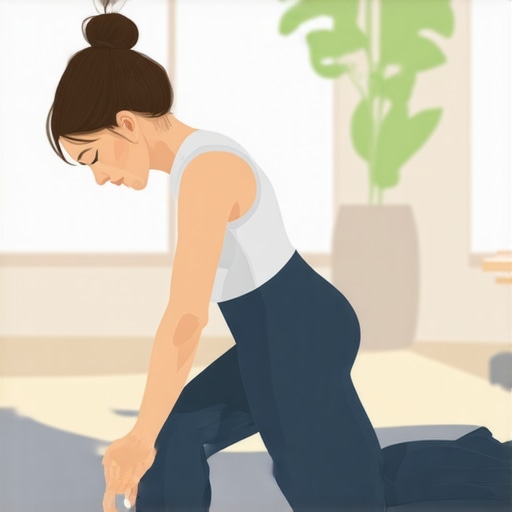
I remember the exact moment I realized my back was holding me hostage. It was a lazy Sunday afternoon, and as I reached to pick up a mug, a sharp twinge shot through my lower back. That discomfort was a wake-up call, a stark reminder that I wasn’t paying enough attention to something so foundational—my spine’s mobility. I used to think that only intense workouts or injuries could bring my movement to a halt, but I was mistaken. Small, unnoticed stiffness and poor posture can silently chip away at your flexibility, wrapping you in discomfort before you even realize it.
Why Checking Your Spine Movement Is Something Everyone Should Do
Here’s the truth: our spines are the backbone (literally!) of nearly every bodily function. If your spine isn’t moving properly, everything from your posture to your pain levels can suffer. Yet, many of us overlook this crucial aspect until pain or stiffness become unbearable. The good news? You don’t need fancy equipment or hours at the clinic to get a clear picture of your spinal health. Simple, at-home tests can give you powerful insights—and help you catch issues early before they snowball into chronic pain or mobility loss.
Is It Really Worth the Effort or Just Hype?
When I first started exploring ways to assess my mobility, I was skeptical. I wondered if these simple tests could really make a difference. My early mistake? Overcomplicating everything with complicated routines and ignoring the basics. It wasn’t until I focused on straightforward methods—like checking my ability to bend and twist—that I saw real improvements. Studies have shown that regular self-assessment can lead to better posture and reduced back pain, saving you from those persistent visits to the chiropractor or physical therapist. Whether you’re sitting at a desk all day or enjoying your active lifestyle, keeping tabs on your spine’s movement is a small effort that pays huge dividends.
Start with Simple Movement Checks
Begin by performing basic bending and twisting tests to gauge your spinal flexibility. For instance, stand with feet shoulder-width apart and slowly bend forward, aiming to touch your toes without forcing or overextending. Notice any pain, stiffness, or limited range. Then, try gentle torso twists to the left and right, maintaining pelvis stability. Remember, these movements serve as a self-assessment—no need for perfection. I once tried this after a long day at my desk, and I was surprised to realize how stiff my spine had become. Recording your observations helps track progress and identify problematic areas.
Use a Mirror for Visual Feedback
Stand in front of a full-length mirror during these checks. Observe your posture and spinal alignment. Is your back rounded? Are your shoulders uneven? These visual clues help direct your focus to areas needing mobility work. For example, I noticed my shoulders were slouched and my upper back seemed rigid. Addressing these issues through targeted exercises improved my posture daily. Remember, consistent self-awareness is the first step towards better mobility. For detailed correction strategies, consider exploring posture correction secrets.
Incorporate Gentle Mobilization Drills
Once you’ve identified stiffness, move to controlled mobilization routines. Focus on gentle twists, cat-cow stretches, and pelvic tilts—think of these like oiling a rusty hinge. For example, during a session, I performed the cat-cow move—arching and rounding my back—to promote spinal fluidity. Doing this slowly and breathing deeply helps loosen joints and soft tissues. I recommend starting with 5-10 minutes daily. These exercises act as wake-up calls for your muscles and joints, preventing stiffness from turning into pain. For more comprehensive routines, check out mobility mastery exercises.
Focus on Postural Habits
Your daily posture significantly impacts your spine’s health. Think of your spine as a stack of books; if one is out of line, the entire stack becomes unstable. Sit with your feet flat, knees at 90 degrees, and your monitor at eye level. When standing, distribute weight evenly and avoid leaning forward or tucking your pelvis excessively. I caught myself slouching while waiting for a train, which worsened my back tension. Immediately correcting this habit felt awkward, but over time, it reinforced better alignment. For strategies on maintaining good posture during activities like washing dishes or working at a computer, see posture correction tips.
Implement Daily Self-Adjustments
Built-in small corrections can have a big cumulative effect. For instance, perform a quick pelvic reset every few hours, like gently tilting your hips back and forth. Think of it as recalibrating your spine’s foundation. I integrated a simple routine: every hour, I paused to do 10 gentle spinal bends and pelvic tilts. This not only alleviated stiffness but also prevented my back from tightening up. To make these habits more effective, explore daily adjustments for back. Remember, consistency is king—small daily efforts outperform sporadic intense sessions.
Utilize Targeted Stretching and Strengthening
Identify specific areas that feel particularly stiff or weak, then apply focused stretches or strengthening exercises. For tight hamstrings, for example, I performed gentle hamstring stretches, always avoiding overstretching to prevent disc bulge aggravation—see hamstring stretching tips. Conversely, weak core muscles can destabilize your spine—so incorporate planks and bird-dogs judiciously. Consider integrating these practices into your routine gradually, ensuring proper form to avoid injury. For more insights into effective mobility routines, visit back health and posture tips.
Monitor Progress and Adjust Accordingly
Keep a journal of your movement checks and exercises. Over time, improvements in flexibility and comfort should become evident. For example, I tracked my daily routines, noting reduced stiffness and better posture, which encouraged ongoing effort. If progress stalls, revisit your assessment and modify routines—perhaps adding more mobilization or consulting a professional. Regular self-checks act as a compass, guiding your mobility journey and helping prevent setbacks. For professional guidance, consider reaching out at contact us. Remember, even small, consistent steps lead to long-term results in spine health.Many people believe that spinal adjustments are a quick fix or that perfect posture means standing perfectly straight at all times. However, these misconceptions can lead to neglecting the nuanced realities of mobility and spinal health. For instance, some assume that adjustments are a one-time cure, but in my experience, ongoing self-awareness and targeted routines are essential for lasting improvement. This myth overlooks the importance of integrating mobility practices into daily life rather than relying solely on periodic adjustments.
A common trap is believing that aggressive stretching always benefits the back. Yet, overstretching or improper techniques can actually cause more harm than good, especially if your muscles and joints aren’t ready for such stress. According to research by the National Institute of Neurological Disorders and Stroke, inappropriate stretching can worsen certain conditions like herniated discs or muscle strains.
Another misconception involves posture fixing devices or braces—they are often marketed as quick solutions. However, over-reliance on external supports can weaken the muscles meant to support your spine, leading to dependency rather than resilience. Instead, incorporating movement variability and functional exercises provides more sustainable benefits.
Advanced readers might wonder: How do we balance mobility routines without provoking instability or pain? The key lies in understanding your unique biomechanics and progressing gradually. Engaging in targeted mobility exercises that restore natural movement patterns, like controlled spinal rotations and core engagement, can re-educate the nervous system on proper muscle activation.
For those looking to deepen their understanding, exploring routines that focus on foundational stability—such as mastering the pelvic tilt or breath-based activation—can set the stage for healthier adjustments. For practical strategies and expert insights, consider visiting Adjust Your Routine for Lasting Relief.
Remember, neglecting the nuanced truths about back health and routine management can hinder progress and even exacerbate issues. Instead, approach adjustments and posture correction as parts of a holistic, personalized journey. If you’re unsure about your specific needs, reaching out for professional guidance is a wise step. Feel free to connect via contact us for tailored advice.
Have you ever fallen into this trap? Let me know in the comments.
Keeping your spine healthy and mobile requires more than just occasional stretches; it demands a set of reliable tools and routines that align with your lifestyle and needs. Over the years, I’ve curated a collection of equipment and software that has made my mobility journey sustainable and effective. These tools not only assist in daily maintenance but also help track progress and identify areas needing attention, ensuring your back stays resilient over the long haul.
Invest in Quality Foam Rollers and Massage Tools
My go-to for releasing muscle tension is the Rumble Roller. Its firm, textured surface allows me to target deep fascia, especially around the hips and lower back. I personally prefer it over softer rollers because it provides a more active release, preventing stiffness and promoting blood flow. Incorporating a foam roller into my daily routine, particularly after long periods of sitting, has significantly improved my mobility and reduced pain. Additionally, I rely on massage balls like the Muscle Roller for pinpointing tight spots in the shoulder blades and pelvic region. These are inexpensive yet indispensable for my ongoing maintenance.
Use Smart Posture and Movement Monitoring Devices
Modern technology offers devices that subtly remind you to adjust your posture throughout the day. I wear a Upright GO 2 on my upper back. It vibrates gently if I slouch or tilt forward during work. This real-time feedback has trained me to maintain better alignment without constant conscious effort. Over time, I’ve noticed a natural correction in my posture, which translates into less back strain and improved mobility. These tools are excellent for integrating habitual awareness and promoting accountability in your routine.
Leverage Apps for Guided Mobility and Strengthening
Complementing physical tools, I rely on apps like Mobility Mastery. This app offers guided routines tailored to specific issues such as back stiffness or postural misalignments. I particularly appreciate the structured programs that progressively build flexibility and core strength. Regular engagement with such digital guides has transformed my approach from sporadic exercises to consistent, goal-oriented sessions, enhancing my long-term results.
How do I maintain mobility over time?
Consistency is key. I schedule short daily sessions using my foam roller and follow guided routines in the app, ensuring I don’t neglect my back health amidst a busy schedule. Additionally, I regularly revisit my movement assessments, noting improvements and adjusting my routines accordingly. In the future, I see an increasing integration of AI-powered sensors that analyze movement patterns and personalize routines even further. For now, combining physical tools like foam rollers, smart monitoring devices, and guided apps creates a comprehensive system that sustains my mobility gains long-term. I encourage you to try incorporating a foam roller into your routine and observe how it helps maintain your back’s flexibility. For more advanced insights, check out your daily routine for lasting relief. Remember, small consistent efforts with these tools can prevent minor stiffness from turning into chronic pain over the years.
Small Shifts, Big Lessons: What My Back Taught Me
One of the most surprising insights I discovered is that consistent, mindful movements outweigh intense workouts when it comes to back health. I used to believe that only extreme stretching or heavy lifting could prevent pain, but over time, I realized that tiny daily habits—like gentle adjustments and awareness—can build resilience. Recognizing that early stiffness is a sign, not a punishment, encouraged me to act before minor discomfort worsened.
Another valuable lesson was understanding the importance of listening to my body’s signals. Ignoring subtle hints of stiffness or misalignment only allowed issues to deepen. Now, I pay close attention to daily movement patterns, which helps me catch potential problems early, saving me from long-term pain.
Lastly, I learned that patience and consistency are essential. Real mobility improvements don’t happen overnight; they result from small, deliberate efforts. Embracing this mindset transformed my approach from frustration to empowerment, making my back health a sustainable part of my life.
My Trusted Toolkit for Mobility and Posture Stability
Over the years, I’ve found certain tools indispensable in maintaining spinal health. A high-quality foam roller like the Rumble Roller has become my go-to for releasing fascia and breaking up tension, especially after long sitting periods. Its textured surface provides deeper relief than softer rollers, and I trust it for preventative care.
Smart devices such as the Upright GO 2 have helped me develop awareness around my posture. The gentle vibrations remind me to sit upright, training my nervous system over time to maintain better alignment without constant conscious effort. This habit has significantly reduced my back strain during workdays.
Guided apps like Mobility Mastery have provided me with structured routines tailored to my needs. Using these resources ensures I stay consistent and progressive, making long-term mobility achievable and enjoyable.
Finally, incorporating targeted stretches from trusted blogs and expert websites has been vital. They direct my efforts efficiently, helping me focus on areas that need the most attention.
Believe in Your Movement Journey
The path to better back health is uniquely yours, filled with small wins and resilience. Remember that every habit you build today—be it mindful posture, gentle mobilizations, or proactive checks—lays the foundation for lasting mobility. If you’re unsure where to start, know that professional guidance is just a click away, and reaching out can set you on the right track. Don’t wait for pain to become unmanageable; take charge now and embrace the chance to move with freedom and confidence. What’s one small change you’re willing to try today to improve your mobility? Let me know below.