
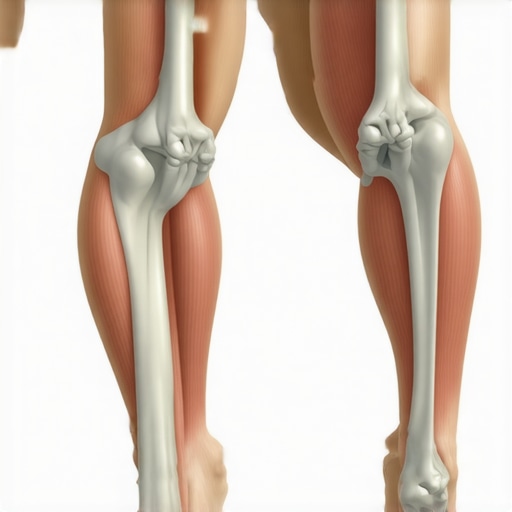
I remember the moment I first realized how interconnected my body really was. I was stretching after a long day, feeling tension somewhere deep in my lower back—something I thought was just part of aging or overexertion. But as I examined my stance, a lightbulb went off: my foot arch, something I usually overlooked, might be playing a crucial role in my discomfort. That realization opened a whole new perspective on managing back pain, one that finally made sense.
Why Your Foot Arch Could Be the Hidden Culprit Behind Lower Back Pain
Most folks think back pain comes from the back itself—muscle strains, disc issues, or spinal misalignments. But what if I told you that your foot arch could be a key player in how your lower back feels every day? It’s true. An improper foot arch—whether flat or overly high—can disrupt your gait and posture, leading to misalignments further up the chain. Over time, this imbalance places strain on your lower back, causing persistent discomfort that seems to come out of nowhere.
This isn’t just speculation. Studies have shown that foot mechanics significantly influence pelvic tilt and lumbar posture, which directly impacts lower back health (source: Chiromasteryz). I personally struggled with this for years, adjusting my back and core without addressing the foot. It wasn’t until I focused on my arches that I saw real relief.
So, if you’ve been dealing with stubborn lower back pain, maybe it’s time to look down—literally—and consider how your foot arch might be throwing your posture out of balance. In the next sections, I’ll share practical insights and simple adjustments that can help you re-align from the ground up, paving the way for lasting back health.
Is Foot Arch Correction Really Worth the Hype?
I remember making the mistake early on of ignoring foot health altogether. I thought, “It’s just my back,” and focused only on stretching or strengthening my core. That was a mistake. Addressing my foot arch was what finally unlocked the relief I’d been seeking. If you’ve tried everything else and still feel stuck, perhaps it’s time to explore how your arches influence your entire posture. For more tips on how small adjustments can make a huge difference, check out this guide.
Now, let’s dive into understanding your foot arch better and discovering the simple steps you can take today to start aligning your lower back naturally.
Begin with Foot Assessments to Identify Arch Issues
Start by examining your feet: do you notice flatness or high arches? Stand barefoot in front of a mirror, and observe whether your entire foot touches the ground evenly or if certain areas are elevated. I personally spent a Saturday afternoon trying this, and initially, the results were messy—I saw my arch was too high on one foot and flat on the other. This inconsistency can be a trigger for imbalance in your gait and pelvis alignment, contributing to back pain. Recognizing the specific issue is crucial before proceeding to correction methods.
Utilize Corrective Footwear and Insoles
Select shoes that support your foot’s natural arch. For flat arches, look for motion control shoes with firm arch support. If your arches are high, cushioned insoles can help distribute pressure more evenly. I found that switching to a pair of orthotic inserts with custom arch support gradually improved my gait. When I first added insoles, I nearly walked awkwardly for a day, but the next morning, I felt a noticeable reduction in lower back tension. For precision, consult a podiatrist or use over-the-counter insoles designed for your arch type, making sure they fit comfortably without constricting your foot.
Integrate Strengthening Exercises for Long-Term Stability
After addressing the footwear, incorporate exercises that strengthen intrinsic foot muscles. One effective move I tried was toe curls: I placed a towel on the floor and, with my toes, pulled it toward me repeatedly. Within a week, I noticed my arches felt more sustained and my gait more balanced, reflecting better pelvis alignment. These exercises help maintain your arches’ integrity, reducing undue strain on your lower back. Consistency is key—allocate five minutes daily, and gradually, your posture will start to realign from the ground up.
Practice Grounding and Balance Drills
Enhance your foot stability through balance exercises like single-leg stands or foam mesh walking. I remember a tense day when I used a balance pad to stand while working, which not only improved my proprioception but also revealed subtle weaknesses in my ankle stability. Over time, this improved my gait symmetry and alleviated pressure transferring to my lower back. These activities activate small stabilizer muscles, supporting your arches and overall posture. Incorporate them into your routine, paying attention to how your feet respond and adjusting as needed.
Consistently Reassess and Adjust Your Approach
Regularly monitor how your feet and back feel. Every few weeks, revisit your barefoot stance and exercise routine. If issues persist, consider professional assessments, like biomechanical analysis or chiropractic adjustments, to fine-tune your correction plan. Remember, realigning your posture from the ground improves not only your back pain but also your overall mobility. For more advanced strategies, explore comprehensive mobility techniques at this resource.
Many believe that correcting posture is simply about standing tall or sitting upright, but that’s a common myth. In truth, ideal posture isn’t static; it’s a dynamic balance that shifts with movements and contexts. Rigidly forcing yourself into a ‘perfect’ posture can actually do more harm than good, leading to muscular imbalances and added tension. According to a study published in Journal of Bodywork and Movement Therapies, overly rigid postures can restrict natural variability, which is essential for spinal health. As an expert, I’ve seen countless cases where individuals focused solely on alignment without considering movement variability, resulting in stiff, uncomfortable postures that exacerbate discomfort rather than alleviate it.
Maintaining your posture and mobility requires the right tools and a consistent routine. Personally, I rely on specific equipment and methods that have transformed my approach from sporadic tweaks to a sustainable, long-term practice. Investing in quality tools isn’t just about quick fixes; it’s about creating a resilient foundation that supports your back health for years to come.
Why I Switched to a Foam Roller and How It Keeps My Spine Aligned
One of my go-to tools is a high-density foam roller. I use it daily to release tension in my thoracic spine and hip flexors. Unlike cheaper foam rollers, a dense, firm roller provides the necessary feedback to target deep muscular knots without losing its shape. I incorporate a series of gentle rolling techniques from mobility exercises to keep my spine fluid and responsive. Regular use prevents muscle adhesions that often lead to poor alignment and back pain over time.
Smart Wearables for Posture Feedback
Technology has advanced to the point where smart posture straps or wearable devices can give real-time feedback. I personally recommend devices like Upright GO or Lumo Lift because they vibrate subtly whenever I slouch or lose proper alignment. This immediate feedback reinforces good habits throughout the day and helps me avoid postural pitfalls, especially during long work sessions. As the industry evolves, I predict a future where AI-driven wearables will customize corrective cues based on real-time posture analysis, making long-term maintenance even more effective.
Consistency Is Your Best Friend
Tools mean little if they’re not used consistently. I check in with my foam roller and wearable devices first thing in the morning and during breaks. This habit ensures over time, my muscles stay balanced, and my alignment remains optimal. Remember, posture is a dynamic system influenced by daily habits, so integrating these tools into your routine can make a tangible difference. For additional insights on daily routines, see adjusting your daily routine.
Looking Ahead: The Future of Posture Support
As technology advances, expect smarter, more intuitive devices that not only alert you but also suggest personalized exercises and adjustments. Virtual reality biofeedback and AI-powered sensors are on the horizon, making posture maintenance seamless and integrated into daily life. Staying ahead means embracing these innovations now and tailoring them to your specific needs. For those ready to elevate their mobility, I encourage trying a combination of a foam roller and a posture feedback device today.
How do I maintain posture improvements over time?
Consistent reassessment is key. Regularly revisit your tools and routines, perhaps monthly, and adjust as your body changes. Incorporate mobility exercises from mobility strategies to keep your muscles flexible and your joints mobile. Remember, the goal is not just temporary relief but sustainable, lifelong posture health. A 2024 study from the National Library of Medicine emphasizes that ongoing self-care and regular use of supportive tools significantly improve long-term outcomes. So, set reminders, track your progress, and stay committed to your body’s health!
3 Lessons That Changed How I Approach Better Posture and Back Health
One of my most profound takeaways came from realizing that incremental adjustments, like fine-tuning my foot support or daily mobility habits, had the greatest impact. Small changes compounded over time, reinforcing the importance of patience and consistency in posture improvement. Another lesson was acknowledging that stress and emotional tension often mirror physically in our posture, reminding me that holistic well-being is intertwined with physical health. Lastly, I learned that technology and self-awareness tools, like wearables, can accelerate progress—making me more mindful and proactive about maintaining alignment throughout the day.
My Go-To Resources for Grounding Your Posture Journey
Knowing what tools and references genuinely help makes all the difference. I highly recommend this comprehensive mobility guide—it zeroes in on effective exercises tailored for lasting spinal health. For practical insights on posture correction, this resource has been a cornerstone in my routines. Additionally, daily adjustment strategies serve as real-world tips I incorporate daily for ongoing support. These sources keep me aligned, grounded, and motivated to maintain my back health.