
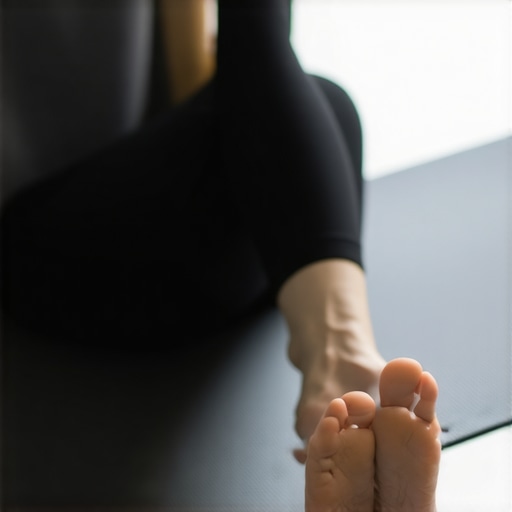
Ever been caught in that frustrating moment where you stand up after sitting for too long, and suddenly your lower back feels like it’s protesting loudly? I know that feeling all too well. One day, I was hunched over my desk, aching more than usual, and I realized that my pain wasn’t just a random annoyance; it was my body’s way of telling me something was off. That lightbulb moment led me down a path to discover a simple yet often overlooked exercise involving my feet that transformed how I manage back tension.
Why My Feet Became My Unexpected Back Allies
It might sound strange—focusing on your feet to relieve back pain—yet there’s a solid reason behind it. Our feet are the foundation of our posture, influencing how we stand, walk, and even sit. When foot mechanics go awry, they can cause misalignments higher up in the spine, leading to discomfort or chronic tension. I found that addressing foot positioning and mobility directly impacted my lower back health, making a noticeable difference in my daily comfort. If you’re tired of fleeting relief and want a lasting solution, this exercise might just be your new best friend.
Is This Foot Exercise Too Simple to Work?
Early on, I made a mistake—believing that only complex stretches or expensive treatments could help. I dismissed simple movements as ineffective. But as I experimented with small adjustments, I realized that simplicity often carries the most power. This realization isn’t just my opinion; research shows that proper foot alignment and strength can significantly influence lower back comfort. Have you tried similar quick fixes that surprised you? If not, stick around because what I’m about to share could change how you feel every day.
Start with Foot Mobility Exercises
One effective approach I tried involved simple foot movements that increased flexibility and strength. For example, I sat barefoot on the floor, placing a small towel under my arch, then gently scrunched my toes to grip the towel, holding for 10 seconds. Repeating this for a few minutes daily helped improve my foot arch support. Once I felt more aligned, I noticed less tension in my lower back, similar to how supporting a building’s foundation stabilizes the entire structure. Consistency was key; I made it a morning routine and gradually felt the difference.
Adjust Your Foot Position During Daily Activities
Next, I paid attention to my standing and walking posture. For instance, I used to lean more on my heels, causing imbalance. To correct this, I consciously shifted my weight onto the balls of my feet, engaging the muscles there, like balancing a see-saw uniformly. During a midday walk, I paused and practiced this shift, feeling my pelvis realign slightly. Over time, this micro-adjustment helped reduce the strain on my lumbar spine, as my foundation was more stable. Think of it as tuning the strings of a musical instrument—small tweaks lead to harmonious function.
Incorporate Foot Strengthening Drills
I started doing toe spreads and heel raises resembling calf raises, which strengthened muscles supporting my arch. For example, I stood on one foot for 30 seconds, then switched and repeated. It was awkward at first, wobbling like a newborn colt, but each session made my ankles and feet more resilient. Like reinforcing the pillars of a bridge, these exercises distribute forces more evenly, reducing compensatory patterns that lead to back pain. I gradually increased repetitions, noticing a remarkable decrease in the usual ache after long hours at my desk.
Use Proper Footwear and Orthotics
Additionally, I evaluated my shoes. Previously, I wore footwear with excessive cushioning, which can weaken foot muscles over time. I switched to shoes with firm midsoles or used insoles that support the arches, providing a stable base—similar to switching from a wobbly table to a sturdy one. This change enhanced my overall alignment, alleviating pressure up the kinetic chain to my lower back. For persistent issues, consulting a podiatrist for custom orthotics can create personalized support tailored to your foot structure.
Monitor and Maintain Your Progress
To stay on track, I kept a simple journal noting what activities triggered discomfort and how adjustments helped. When I added foot exercises consistently, I noticed my back felt better, especially after prolonged sitting. Like tuning a guitar regularly, routine maintenance keeps your body functioning smoothly. If you experience persistent back pain despite these steps, exploring related factors like pelvic tilt or core engagement can be helpful. Remember, improving foot mechanics is a foundational step, but comprehensive care often yields the best results. For more insights on adjusting daily habits, explore daily adjustments to alleviate back pain.
When it comes to back pain and posture, many believe that quick fixes or isolated stretches are the key to relief. However, a common misconception is that these adjustments address the root cause. In reality, most people overlook the intricate interplay between mobility, stability, and habitual movement patterns. For example, focusing solely on spinal exercises without considering how your feet, hips, and shoulders align can lead to temporary relief but not a lasting solution.
An often-ignored nuance is the importance of integrated movement patterns. Dr. Kelly Starrett emphasizes in his research that the body functions as a kinetic chain, meaning a restriction or misalignment in one area can cascade into pain elsewhere. This interconnectedness means that addressing only the symptom—like tight hip flexors or rounded shoulders—without considering compensatory patterns may provide a false sense of progress. Simple adjustments that incorporate full-body awareness yield more sustainable results.
Are You Falling for the Myths About Mobility and Adjustment Strategies?
A prevalent myth is that more mobility is always better. But overly aggressive stretching or uncontrolled mobility drills can destabilize joints and exacerbate issues. For instance, forcing a flexible spine or overstretching tight muscles without strengthening opposing stabilizers can lead to hypermobility, increasing the risk of injury or chronic pain. The key lies in balancing mobility with stability, ensuring that muscles strengthen and support the range of motion. A study from the Journal of Bodywork and Movement Therapies supports this, indicating that targeted stabilization exercises often outperform passive stretches for long-term pain relief. Expert tips on mobility highlight that nuanced, controlled movements are more effective than generic stretching routines.
Another common mistake is assuming that adjustments alone will fix deep-seated patterns. Habitual postural behaviors, like slumping at a desk or crossing legs, ingrained over years, require active retraining rather than passive correction. This is why combining movement strategies with mindfulness and habitual awareness is essential. Incorporating exercises that promote neuromuscular control ensures that improvements are maintained during daily activities.
Be cautious of the trap of chasing quick fixes. Lasting change demands understanding the complex, multi-layered nature of the body’s biomechanics. Moving the body with intention, awareness, and a comprehensive approach leads to healthier, pain-free movement. For deeper insights, explore mastering your mobility or daily adjustments for posture.
Have you ever fallen into this trap? Let me know in the comments.
Keeping Your Back in Check Over Time
Once you’ve integrated foot mobility, posture adjustments, and strengthening routines, the next challenge is maintaining these gains long-term. For me, consistency is key—using reliable tools and establishing routines ensures that I don’t regress into bad habits. One of my favorite tools is a high-quality foam roller, specifically designed to target my lower back and hip area. Unlike cheap models, my foam roller features firm, dense foam that provides sufficient pressure to release myofascial tightness without causing discomfort. I use it daily after workouts or long sitting periods, focusing on zones where I tend to hold tension.
Another tool I swear by is a set of rubber resistance bands. These are indispensable for active mobility drills and targeted strengthening, especially for stabilizer muscles that support the spine. I prefer bands with varying resistance levels; starting with lighter ones helps me execute controlled movements, gradually progressing to heavier bands as my stability improves. This incremental approach prevents overstretching and ensures sustained progress.
Digital tools have also become vital. I rely on a posture correction app that reminds me to sit upright, adjust my desk height, and perform micro-movements throughout the day. These prompts help me maintain awareness, especially during long work sessions. Consistent usage prevents my posture from slipping back into hunched positions, which is crucial for long-term back health.
How do I maintain back health over time?
To keep the improvements lasting, I schedule regular check-ins with a chiropractor or physical therapist who specializes in spinal health. They can perform assessments to identify emerging issues before they escalate. Incorporating periodic manual therapy sessions or adjustments helps ensure my joints stay aligned and mobile. Additionally, I dedicate time weekly to a comprehensive mobility routine I learned from expert tips for easier movement in 2025, which covers dynamic stretches, strengthening, and breathing exercises. This holistic approach—combining DIY maintenance with professional care—keeps my back resilient.
Looking ahead, I predict that wearable sensors and smart tech will play an even bigger role in personalized back maintenance. Devices that monitor posture and provide real-time feedback make maintaining good habits more effortless. For instance, smart insoles could alert you when your foot positioning shifts unfavorably during daily activities, helping you retrain your habits automatically.
If you’re ready to elevate your routine, I highly recommend trying a periodic foam rolling session focused on your lumbar and hip muscles. This small investment in time can prevent chronic tension from creeping back and keep your mobility fluid. Remember, consistency, backed by reliable tools, forms the backbone of lasting back health. For more advanced strategies, explore simple adjustments to relieve back pain and start taking deliberate steps today.
What I Wish I Knew When I Started My Journey
One of the most eye-opening lessons was realizing that quick fixes are often misleading. I used to believe that stretching alone could solve my back pain, but I soon learned that without addressing foundational support—like my feet and core—relief was only temporary. This taught me to look at the bigger picture, understanding that true progress comes from small, consistent adjustments rather than instant miracles.
Another insight was recognizing the importance of listening to my body’s signals. Instead of ignoring minor discomfort, I saw them as cues guiding my movement choices. This awareness helped me prevent conditions from worsening and emphasized that mindfulness is key in any mobility or posture routine.
Finally, I discovered that habits shape results. Simple daily behaviors, such as how I sit, stand, or walk, had a profound impact on my back health. By consciously modifying these habits, I created a sustainable foundation for long-term well-being, proving that small daily shifts lead to lasting change.
Tools That Changed My Perspective on Mobility and Back Care
For me, a high-quality foam roller became an indispensable tool, enabling effective myofascial release without risking injury—even during busy days. I trust brands like TriggerPoint because they deliver consistent pressure that helps maintain my tissue health. Resistance bands from Rogue have been vital for strengthening stabilizer muscles, making every movement more controlled and supportive.
I also turned to books such as “Becoming a Supple Leopard” by Kelly Starrett, which offered in-depth insights on body mechanics and practical drills. These resources pushed me beyond simple stretches, guiding me toward comprehensive mobility routines. And for daily mindfulness, using posture apps like Upright helped me stay aligned and aware, turning good habits into second nature.
Curating these tools and knowledge sources personalized my approach, transforming how I maintain back health daily. If you’re ready to elevate your routine, exploring these resources might be your next step toward a pain-free life.
Your Turn to Take Action and Feel Better
Remember, real change starts with awareness and consistent effort. By respecting your body’s signals, embracing simple yet effective movements, and leveraging the right tools, you can restore and sustain your back health. The journey may seem small at first, but over time, these adjustments compound into a healthier, more resilient you. So, what’s one habit you’re willing to change today to improve your posture or back comfort? Share your thoughts below—I’d love to hear about your progress!