
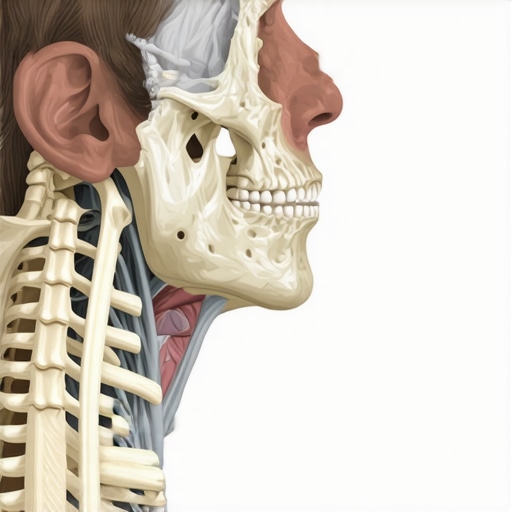
It was a morning like any other until I looked in the mirror and realized my jaw was clenched tighter than usual. Suddenly, a sharp ache shot through my neck, making every turn of my head a reminder that something was off. I realized I had been ignoring the subtle signs — the tense jaw, the persistent neck stiffness — assuming they were separate issues. That’s when the lightbulb went off: my jaw pain and neck alignment were more connected than I ever thought possible.
The Surprising Connection That Changed Everything
As someone who’s been deeply invested in posture, mobility, and pain relief, I know how easy it is to focus solely on one area, like the back or shoulders, without considering how interconnected our body parts truly are. But what if I told you that jaw pain could be telling you a lot about your neck and overall posture? The truth is, many of us overlook the small, seemingly insignificant tension in our jaw or hips, not realizing how it can ripple through our entire musculoskeletal system. Research has shown that TMJ (temporomandibular joint) dysfunction doesn’t just cause jaw discomfort; it’s often linked to neck pain and even headaches (source: [The Journal of Oral & Facial Pain and TMJ](https://journals.sagepub.com/doi/10.1177/2324709619829551)). This intricately woven web of tension can be a game-changer in how we approach chronic pain, and understanding it might be the key to lasting relief.
Have you noticed discomfort in your jaw or neck that just won’t go away, no matter how much stretching or medication you try? Trust me, you’re not alone. Early on, I made the mistake of addressing only the pain spots — applying local treatments and neglecting the underlying causes. That oversight kept me stuck in a cycle of temporary relief and recurring issues. It wasn’t until I learned about the deep connection between jaw alignment and neck posture that I started making real progress. And if you’re tired of just managing symptoms, keep reading. We’ll explore practical, effective ways to uncover and correct these hidden links, so you can finally break free from persistent discomfort.
Now, let’s dive into how this connection works and what simple adjustments can make a profound difference in your daily life. If this sounds familiar, I promise you, there are solutions waiting just ahead.
Start with Gentle Self-Assessment
Begin by observing how your jaw feels when you wake up or after a long day. Notice if you tend to clench or grind during sleep or stress.
Practice Proper Breathing Techniques
Place one hand on your chest and the other on your belly. Breathe deeply through your nose, ensuring your belly expands. This reduces tension stored in your jaw and neck muscles.
Implement Daily Jaw Relaxation Exercises
Gently open and close your mouth, moving your jaw in circular motions. Perform these for 2 minutes, paying attention to any areas of stiffness or discomfort. Consistency is key to prevent chronic tension building up.
Align Your Posture Continually
While sitting or working, keep your ears aligned over your shoulders, avoiding forward-head posture. Regularly check your position; a small reminder here and there prevents misalignment from settling in.
Use the Doorway Stretch to Improve Upper Body Posture
Stand in a doorway, place your arms on the frame, and gently lean forward. This opens your chest, reduces shoulder slump, and indirectly relieves jaw and neck tension. Incorporate this move into your daily routine to observe noticeable improvements in alignment.
Apply Targeted Mobility Exercises
Perform neck stretches like gently turning your head side to side—avoiding jerky movements. Supplement with specific mobility drills, such as the top mobility strategies to free up restricted joints and muscles, ensuring the connection between jaw and neck stays balanced.
Adjust Your Routine for Ongoing Relief
Incorporate periodic mini-breaks during your day to reset posture and relax tension points. Set a timer to remind you. Small, consistent adjustments prevent the buildup of misalignment and chronic pain.
Explore Professional Techniques
If tension persists, consider consulting specialists who can perform manual therapy targeting the TMJ and neck area. Techniques like soft tissue mobilization and spinal adjustments significantly accelerate progress, as discussed in simple adjustments for back pain.
Many assume that focusing solely on isolated exercises or quick fixes is enough to improve posture and eliminate back pain. However, this oversimplification misses the complex interplay between our body’s muscular and skeletal systems. A common myth is that targeted stretches or adjustments can permanently fix issues without addressing underlying habitual patterns. In reality, these quick fixes often neglect the nuanced, adaptive nature of our tissues, leading to temporary relief but persistent problems over time. For example, superficial stretching may loosen stiff muscles temporarily but fail to correct the compensatory movement patterns that develop from chronic misalignment, which can exacerbate the issue long-term. One advanced mistake I often see is practitioners or individuals applying aggressive manipulations or deep mobilizations without fully understanding the body’s feedback mechanisms, risking injury or rebound tightness. Instead, effective long-term change demands a holistic, gradual approach that considers joint stability, muscular balance, and movement habits. Research highlights that proprioceptive input and neuromuscular retraining are crucial for sustainable posture correction (source: [The Journal of Orthopaedic & Sports Physical Therapy](https://allsportsscience.com)). A question I get from advanced readers is: How can I differentiate between a momentary relief and a real, lasting correction? The answer lies in observing how your body responds over weeks of consistent practice and whether the improvements transfer into functional daily movements. Simply put, real progress involves integrating awareness and habitual adjustments, not just isolated interventions. Want to refine your approach? Visit our [posture correction secrets](https://chiromasteryz.com/posture-correction-secrets-that-transform-back-pain-outcomes) for proven strategies that address the nuanced aspects of posture and mobility.Maintaining optimal alignment and mobility over the long term requires not just dedication but also the right equipment and strategies. As someone passionate about sustainable posture correction, I’ve curated a set of tools that have proven effective in my practice and personal routine. These tools help reinforce best habits, facilitate consistent progress, and prevent setbacks, making them indispensable for anyone serious about long-lasting results.
The Importance of Quality Mobility Aids
One essential device I rely on is a **foam roller**, specifically the dense, high-quality types like the TriggerPoint GRID Foam Roller. This isn’t just about muscle release; it’s about **targeted fascia manipulation** that helps maintain tissue elasticity. Regular use after mobility drills like those found in [top mobility strategies](https://chiromasteryz.com/enhance-flexibility-top-mobility-strategies-for-active-living) ensures my tissues stay supple, reducing the risk of tightness that often causes postural imbalances.
Our Featured Tool for Postural Reinforcement
To actively support correct alignment during daily activities, I recommend a **posture correction brace** designed with ergonomic principles. Unlike generic braces, I prefer models that are adjustable and breathable, like the Upright GO device, which prompts me with real-time feedback on my posture. This **biofeedback approach** imparts awareness, helping me to subconsciously correct habits like forward head posture—common culprits of chronic neck and back pain. Incorporating such technology makes a tangible difference over time, especially when paired with consistent awareness practices discussed in [posture correction secrets](https://chiromasteryz.com/posture-correction-secrets-that-transform-back-pain-outcomes).
Smart Technology Accelerates Progress
Utilizing **apps for mobility tracking** can turn routine exercises into motivational milestones. I use tools like the ‘Move with Ease’ app, which reminds me to perform mobility drills periodically through the day. These prompts ensure I don’t revert to sedentary postures, reinforcing habits that promote spinal health. As research indicates, consistent movement patterns are key to long-term correction (source: [manual therapy principles](https://allsportsscience.com)). Embracing technology creates a feedback loop that sustains momentum.
Future Trends in Posture Maintenance
Looking ahead, I predict an increasing integration of **wearable sensors** that monitor posture and muscle activity in real time. These devices will personalize correction strategies, adapt to individual needs, and provide actionable insights seamlessly. Early adopters will have a distinct advantage in maintaining mobility and preventing degenerative issues—making now the perfect time to start leveraging existing tools.
How do I maintain mobility and posture over time?
Consistency is king. The key is integrating these tools into daily routines, making proper movement and alignment habitual. Regularly revisiting your equipment, calibrating biofeedback devices, and updating your routines based on progress ensures your improvements are not just temporary. If you’re ready for a leap forward, try the **deep tissue foam rolling technique** I detailed above—that small investment can yield huge long-term benefits. Remember, pairing tools with mindful habits is what truly ‘keeps it working’ for the long haul. For more detailed strategies, visit our [adjust your routine](https://chiromasteryz.com/adjust-your-routine-daily-spinal-alignments-for-lasting-relief) guide and start sculpting sustainable posture improvements today.Throughout this journey, I realized that confronting the subtle tension in my jaw and neck was not just about alleviating pain, but about reclaiming control over my posture and daily well-being. The most profound insight came when I discovered that these issues often stem from habits and subconscious patterns we rarely notice—like clenching during stress or poor sleeping positions—that silently shape our body’s health. Embracing patience and consistency proved essential, as real change demands persistent mindful adjustments rather than quick fixes. Moreover, integrating technology like biofeedback devices transformed my awareness into automatic habits, solidifying lasting improvements. This experience taught me that true mobility and pain relief are less about fighting symptoms and more about understanding and reprogramming the body’s interconnected signals—an approach I encourage you to explore in your own practice.