
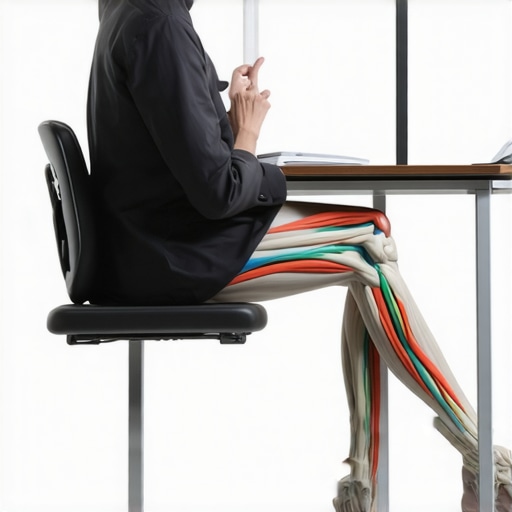
Have you ever settled into your chair for what was supposed to be a quick work break, only to find your legs feeling like they’re weighed down by an unseen force as the hours drag on? That familiar heaviness creeping into my legs used to catch me off guard—one moment, I was fine, and the next, it felt like I was trudging through mud every time I tried to stand. It’s a frustrating experience, especially because it sneaks up on you without warning. I used to think it was just part of aging or sitting too long, but it turns out, there’s a hidden reason that many overlook.
The Real Culprit Behind That Heavy Feeling
Here’s the thing: despite common beliefs, persistent leg heaviness isn’t just about poor circulation or a lack of movement. Early on, I made the mistake of ignoring posture altogether, neglecting how sitting habits directly impact our muscles and nerves. What I discovered is that prolonged sitting causes your hip flexors and lower back muscles to tighten—compounding tension and restricting blood flow. This tightness creates a subtle but persistent pressure on nerves, especially in the lower back region, leading to that sluggish, heavy sensation in the legs. It’s like a traffic jam inside your own body, blocking the smooth flow of blood and energy.
Recent studies support this, showing that sitting for extended periods reduces circulation and can contribute to leg swelling and fatigue—sometimes even more than we realize. The good news? Once I learned how to address these imbalances with simple adjustments, that heaviness started melting away.
Have You Faced This Problem Too?
If you’ve been nodding along, feeling that dull weight in your legs after hours at your desk, know you’re not alone. And here’s the best part: you don’t have to accept this discomfort as inevitable. In fact, the fix is often surprisingly straightforward and can be incorporated into your daily routine with ease.
In the upcoming sections, I’ll share practical, tried-and-true strategies that helped me regain mobility and vitality, transforming my experience from frustration to relief. Ready to start feeling lighter and more energized? Let’s dive into the core reasons behind this issue and how you can take control today. For deeper insights, you might find it helpful to explore ways to enhance flexibility and mobility or learn how to make daily adjustments to alleviate back pain and improve posture.
Loosen Up Your Hip Flexors and Lower Back
Start with gentle stretches targeting your hip flexors, the muscles that get tight from sitting. I’ll never forget the day I dedicated just five minutes to kneeling hip flexor stretches during my lunch break. The next day, my legs felt noticeably lighter. To perform this, kneel on one knee with the other foot in front, hinge forward slightly, and hold. Keep your back straight to avoid straining. Perform 2-3 sets of 30 seconds on each side. These stretches release the tension that blocks blood flow and compresses nerves, much like opening a clogged valve allows fluid to flow freely again.
Practice Proper Posture When Sitting
Imagine your spine as a stack of blocks; if one block is misaligned, the entire tower becomes unstable. Sit with your feet flat on the floor, hips equal to or slightly above your knees, and your back well-supported. Keep your screen at eye level to prevent slouching. During my own routine, I adjusted my chair height and added lumbar support, which immediately reduced lower back strain and leg heaviness. These small modifications keep your pelvis in a neutral position, reducing nerve tension and improving circulation, much like resetting a jammed valve allows the system to work smoothly again.
Incorporate Micro-Movements Regularly
Break long sitting periods with short, active pauses. Every 30 minutes, stand up, stretch, or walk around for just a minute. Think of this as rebooting your body’s system—resetting the pressure points and encouraging blood flow. I set a timer, and doing simple heel raises or ankle circles helped me feel more energized and less sluggish. These micro-movements prevent muscles from tightening and keep nerves uncompressed, much like unkinking a garden hose restores water flow.
Stretch and Mobilize Your Legs
Shift from static stretches to dynamic mobility exercises. For example, do leg swings side-to-side to activate your hip joints. I added 10 swings per leg before starting work, which helped me stay loose throughout the day. Moving your legs actively increases circulation, easing the stagnant feeling of heaviness—like clearing debris from a pipe so water can flow freely again.
Address Postural Imbalances for Long-Term Relief
Identify habits that exacerbate tightness. My own tendency to slouch was fixed by adjusting my monitor and practicing chest-opening stretches. Over time, this corrected my posture, reducing nerve compression and alleviating leg heaviness. Learning to maintain better alignment is crucial, akin to tuning a machine for optimal performance. Regularly reviewing your setup ensures you don’t revert to bad habits that cause tension again.
Utilize Targeted Mobility Exercises
Engage in exercises designed to unlock stiff areas. For persistent tightness, I relied on daily mobility drills like the 4-point crawl, which mobilizes the hips and spine. These exercises are like lubricating a rusty hinge—restoring smooth movement. Incorporating these into your routine ensures your body’s joints stay flexible, preventing the cascade of tension that leads to heaviness and fatigue in your legs.
Seek Professional Guidance When Needed
If persistent heaviness persists despite your efforts, consider consulting a specialist. An expert can assess your specific alignment and recommend targeted adjustments, much like tuning a complex instrument. I found that a quick session with a chiropractor helped me unlock deeper restrictions that I couldn’t address on my own, leading to sustained relief. Regular check-ins can prevent small issues from becoming chronic problems, ensuring your movement remains smooth and pain-free.
Many people believe that simply sitting upright or stretching regularly will solve posture issues and prevent back pain. However, this oversimplification masks a crucial nuance: **not all adjustments are created equal, and some common beliefs can actually hinder progress**. For example, the popular notion that ‘standing tall’ always equals good posture can be misleading. Sometimes, forcing a ‘perfect’ posture ignores the body’s natural variability and how muscles and joints adapt over time. Overemphasizing rigid alignment can lead to unnecessary tension, especially if you overlook the importance of *mobility* over static positioning. Recent research from the Journal of Bodywork and Movement Therapies emphasizes that sustainable improvements come from restoring *dynamic flexibility* rather than static guesses at ‘ideal’ postures.
Another widely held myth is that back pain always results from spinal misalignment. While misalignments can contribute, many cases stem from *muscular imbalances and movement patterns* you might not even realize you’re reinforcing daily. For instance, excessive focus on spinal adjustments without addressing hip mobility or core stability might be ineffective or even counterproductive. To truly understand and manage back pain or posture issues, learn to recognize these often unseen nuances.
### Why does focusing only on static postures sometimes backfire?
Because static postures often overlook **the body’s need for movement variability**. Holding a single position for long periods, even if it appears ‘correct,’ can lead to muscular stagnation and nerve compression over time. Think of your body like a mobile machine that needs *periodic movement and positional change* to function optimally. Techniques like [daily adjustments](https://chiromasteryz.com/daily-adjustments-to-alleviate-back-pain-and-improve-posture) emphasize this dynamic approach, highlighting the importance of incorporating movement and mobility exercises into routines.
Avoid the trap of clinging to a perfect posture as a goal. Instead, aim for *fluid, adaptable movement patterns* that respect your body’s natural ranges. Practicing simple mobility drills, like those described in [mobility mastery exercises](https://chiromasteryz.com/mobility-mastery-simple-exercises-to-relieve-chronic-back-pain), can prevent injuries and tame nagging pain.
### Is there a risk in blindly trusting chiropractic adjustments?
Absolutely. While spinal adjustments can provide relief, over-reliance on them without addressing underlying movement or muscular patterns can lead to *temporary fixes rather than lasting solutions*. Think of adjustments as tuning tools — they help restore alignment but don’t replace the need for strengthening and mobility work. Incorporating functional exercises that target specific imbalances, as suggested in [posture correction secrets](https://chiromasteryz.com/posture-correction-secrets-that-transform-back-pain-outcomes), leads to more durable improvements.
In my experience, the most advanced practitioners combine adjustments with movement therapy, ensuring the body learns to maintain better positions naturally. Remember: true mastery lies in understanding these nuances and applying a holistic approach.
Have you ever fallen into this trap? Let me know in the comments. For more insights on honest, effective posture strategies, check out [unlocks for better posture](https://chiromasteryz.com/unlocking-better-posture-simple-adjustments-to-relieve-back-pain). Building awareness of these subtle aspects empowers you to create lasting change and avoid common pitfalls.Maintaining your progress in posture and mobility requires more than just occasional stretches; it involves using the right tools and adopting effective methods that fit into your daily routine. One of my top recommendations is the use of foam rollers, specifically the dense, high-quality ones like the TriggerPoint GRID Foam Roller. I personally incorporate this into my daily warm-up to release tightness in my lower back and hips, which is crucial for long-term relief. Its textured surface allows for targeted myofascial release, helping to improve circulation and flexibility over time.
In addition, resistance bands such as those from TheraBand are invaluable. I use them to perform assisted stretching and stability exercises, especially for strengthening the hip abductors and rotators. These exercises not only prevent tightness from returning but also enhance overall movement quality. The key is to select bands with appropriate tension levels—start light and gradually increase resistance—to avoid overstressing muscles while encouraging adaptability.
Beyond physical tools, digital resources like the [Mobility Mastery courses](https://chiromasteryz.com/mobility-mastery-simple-exercises-to-relieve-chronic-back-pain) offer structured routines that complement hands-on tools. They guide you through dynamic movements designed to unlock stiff joints and correct imbalances—integral for sustaining improvements. I regularly revisit these routines, especially after long periods of sitting, to keep my body responsive and pain-free.
Looking ahead, wearable technology is evolving to monitor posture in real-time, providing immediate feedback. Devices like Upright GO 2 attach discreetly to your back and vibrate to alert you when you slump. As technology advances, integrating such tools could become standard practice for maintaining optimal alignment, allowing for proactive adjustments rather than reactive ones.
How do I keep up with the benefits of these tools over time? Consistency is the secret. I schedule daily sessions with my foam roller and resistance bands, much like brushing my teeth—integral to my routine. Regularly reviewing my posture setup and incorporating mobility exercises ensures the gains I make aren’t lost and that my body remains resilient against setbacks. Remember, tools alone won’t do the job; pairing them with mindful daily habits is what delivers sustained results.
To boost your routine, I recommend trying the simple yet effective hip flexor release using a foam roller or tennis ball. This technique can dramatically reduce tension in your hips, improve blood flow, and alleviate leg heaviness—click here for detailed instructions. Making this a regular part of your maintenance can keep your mobility optimal and pain-free, long into the future.
3 Surprising Truths I Wish I Knew Earlier About Posture and Movement
One of the most eye-opening realizations I had was that improving posture isn’t about forcing your body into a perfect position but about understanding its natural dynamics. I learned that rigidly obsessing over perfect alignment often leads to more tension and discomfort, rather than relief. Instead, embracing gentle mobility and listening to my body’s signals allowed me to make sustainable progress.
Another lesson was the power of consistent, small habits. I used to think that occasional stretches or adjustments could solve years of poor habits overnight. But I discovered that daily micro-movements and mindful posture tweaks created compounding benefits, transforming my overall well-being over time.
Finally, I realized that professional guidance complements self-care perfectly. While home routines are vital, consulting with experts like chiropractors or mobility coaches provided personalized insights that corrected stubborn issues and prevented future setbacks. Integrating these lessons changed my approach from reactive to proactive, ensuring lasting comfort.
My Top Tools for Maintaining Mobility and Posture
For me, a high-quality foam roller, like the TriggerPoint GRID, became indispensable. It effectively releases tension in tight muscles, fostering better blood flow and flexibility. I also rely on resistance bands such as TheraBands for targeted strengthening and mobility drills that keep muscles balanced. Additionally, exploring structured routines from resources like Mobility Mastery helped me build a resilient foundation. Lastly, wearable posture monitors like Upright GO 2 serve as friendly nudges to stay aligned during busy days, integrating tech into my daily practice seamlessly.
Take Your Next Step Toward Freedom of Movement
Remember, real change in posture and mobility is within your reach, and small consistent efforts add up. The key is to stay curious, open to learning, and committed to habits that nurture your body’s natural movement patterns. Every step you take today is an investment in a pain-free, energized tomorrow. So, why wait? Your best movement is just around the corner.
What’s one daily habit you’re willing to start or improve to support your posture and mobility? Share your thoughts below—I’d love to hear what motivates you!
,